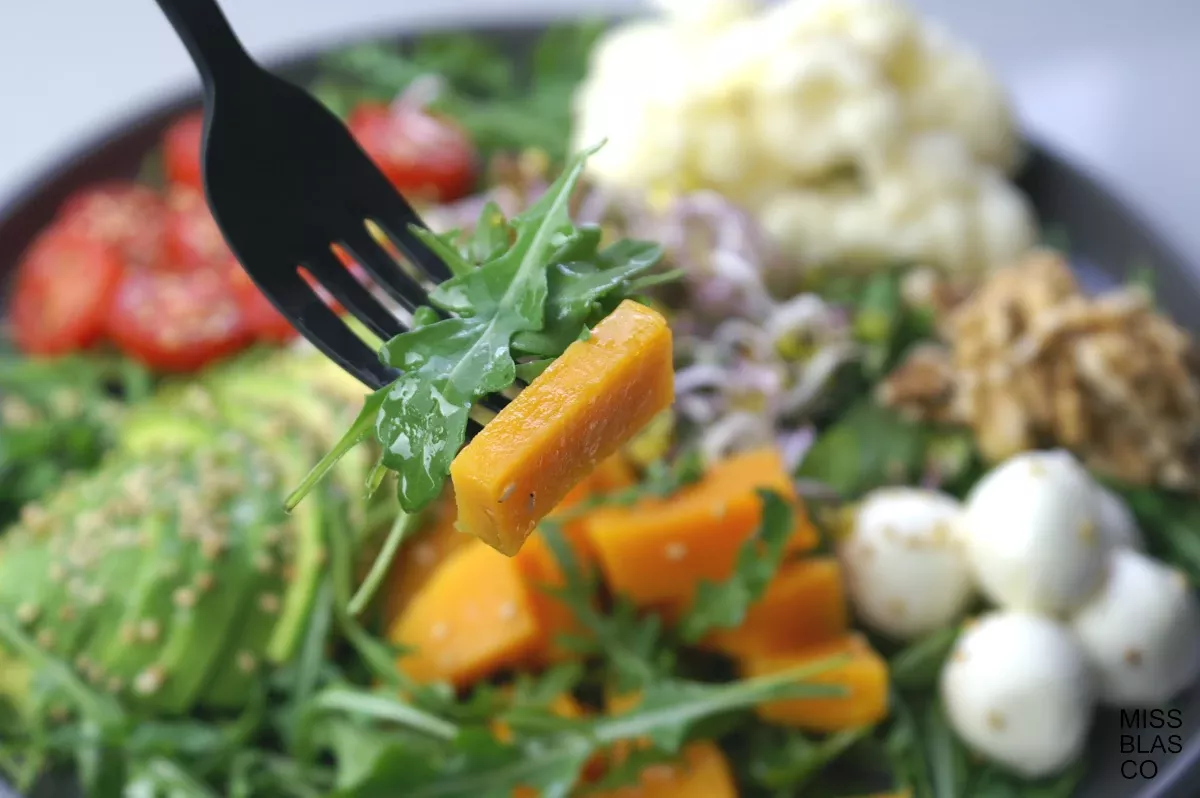
Colorful Pumpkin Salad
Colorful Pumpkin Salad: A Nutritious and Vibrant Recipe
Salads are one of the easiest ways to bring freshness, flavor, and balance to your table. This Colorful Pumpkin Salad is not only visually appealing but also nutritionally rich, making it a perfect choice for anyone who wants to eat well without sacrificing taste.
I often prepare salads as a creative mix of what I have in the kitchen, seasonal produce, fresh greens, and pantry staples. The result is usually a vibrant dish full of flavor and texture, and this pumpkin-based salad is one of my favorites. It’s simple, versatile, and packed with vitamins, minerals, fiber, and antioxidants.
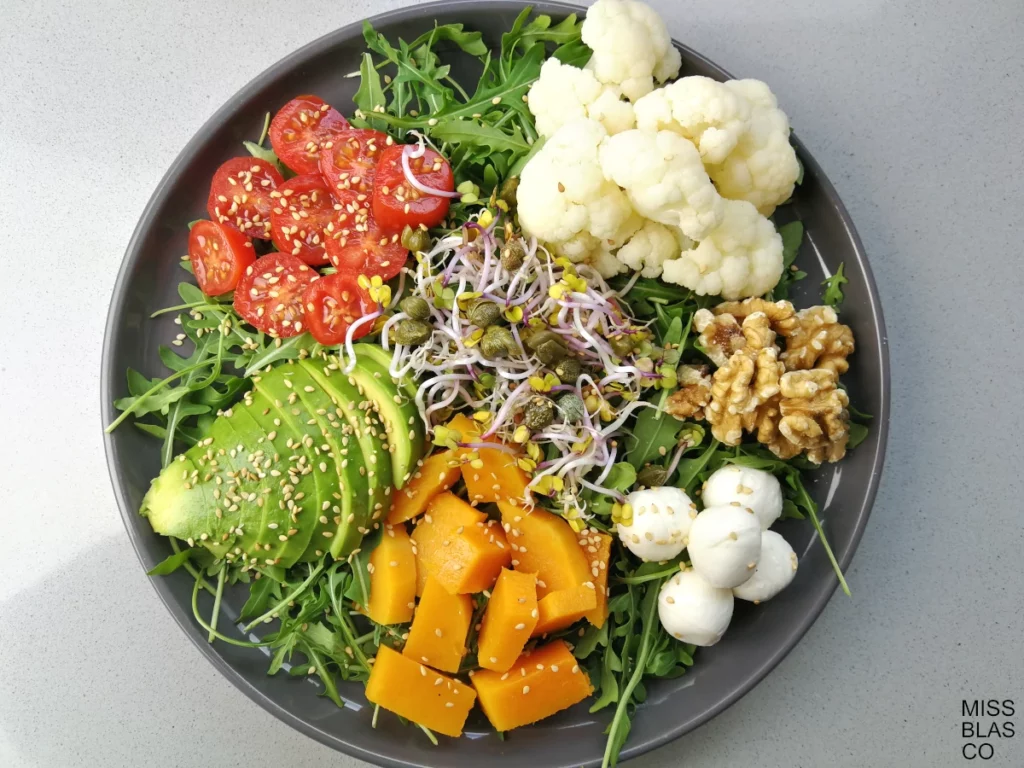
When you look at this salad, the colors immediately stand out: green, white, purple, orange, and red. Each color represents a unique group of nutrients, so let’s explore what they bring to the table before we go into the recipe.
Green: A Base of Leafy Vegetables and Healthy Fats
The foundation of my salads is usually leafy greens, such as arugula, spinach, or mixed salad leaves. This time, I chose arugula, which adds a slightly peppery flavor. Greens provide folates, vitamin K, and antioxidants that support cardiovascular health.
Another essential green ingredient is avocado, which is a staple in my kitchen. Rich in monounsaturated fats, avocados add creaminess and promote satiety. Healthy fats are essential for absorbing fat-soluble vitamins (A, D, E, K), making them a smart addition to any salad.
Pumpkin provides beta-carotene, vitamin C, and fiber with a low glycemic load.
White: Cauliflower, Cheese, and Sprouts
During winter, cauliflower is always present in my kitchen. Lightly steamed and added to salads, it brings fiber and vitamin C. Its neutral flavor makes it easy to combine with other vegetables.
I also like to add a touch of dairy. In this recipe, I included small mozzarella balls, but cottage cheese or feta would also work. Cheese adds protein and calcium, making the salad more satisfying.
Lastly, I love sprouts, such as alfalfa. They are fresh, crunchy, and concentrated in vitamins, minerals, and enzymes. Sprouts are often considered a superfood because germination boosts their nutritional content.
Orange: The Star Ingredient-Pumpkin
Pumpkin is the heart of this salad. Its naturally sweet flavor pairs beautifully with savory ingredients, and its bright orange flesh makes the dish visually stunning.
From a nutritional perspective, pumpkin is low in calories and carbohydrates but high in beta-carotene (provitamin A) and vitamin C. Beta-carotene is converted into vitamin A in the body, which supports eye health, immunity, and skin integrity.
Cooking pumpkin is easy and versatile. I prefer roasting it in the oven to preserve nutrients and enhance its natural sweetness. Steaming is another good option, while boiling tends to cause vitamin losses in the cooking water.
An important fact: pumpkin has a high glycemic index (GI) but a low glycemic load (GL). This means that even though it can raise blood sugar quickly in theory, the amount of carbohydrate per portion is so low that the overall effect on blood glucose is minimal. For a 100 g serving, the glycemic load is about 4, which is considered low.
This makes pumpkin an excellent choice for those watching their blood sugar levels, such as people with prediabetes or diabetes.
Red: Tomatoes and Antioxidants
I added cherry tomatoes for color, freshness, and juiciness. Tomatoes are rich in vitamin C, vitamin K, potassium, and lycopene, a powerful antioxidant that supports heart health and may help reduce inflammation.
You can use any type of tomato available, but smaller varieties often bring a sweeter taste and firmer texture.
Eating colorful vegetables maximizes antioxidant and nutrient intake.
Seeds and Nuts: Crunch and Nutritional Density
No salad is complete without some nuts or seeds. In this version, I added sesame seeds, which are packed with omega-3 and omega-6 fatty acids, calcium, magnesium, and vitamin A. They add crunch and an extra nutritional boost.
Walnuts, almonds, or pumpkin seeds would also work well. Nuts and seeds are calorie-dense, so a small amount is enough to enrich the salad without overloading it.
The Nutritional Power of a Colorful Salad
When you combine vegetables of different colors, you’re not only creating a beautiful dish, but you’re also maximizing your nutrient intake. Each color represents a family of antioxidants and phytochemicals that support different aspects of health:
- Green: folates, vitamin K, and magnesium for bones and cardiovascular function.
- White: sulfur compounds, calcium, and fiber for immunity and gut health.
- Orange: beta-carotene and vitamin C for skin and vision.
- Red: lycopene and vitamin C for heart protection.
- Purple: anthocyanins for brain health and anti-inflammatory benefits.
Eating the rainbow is more than a visual experience, it’s a nutritional strategy.
Nuts and seeds add healthy fats, minerals, and satisfying crunch.
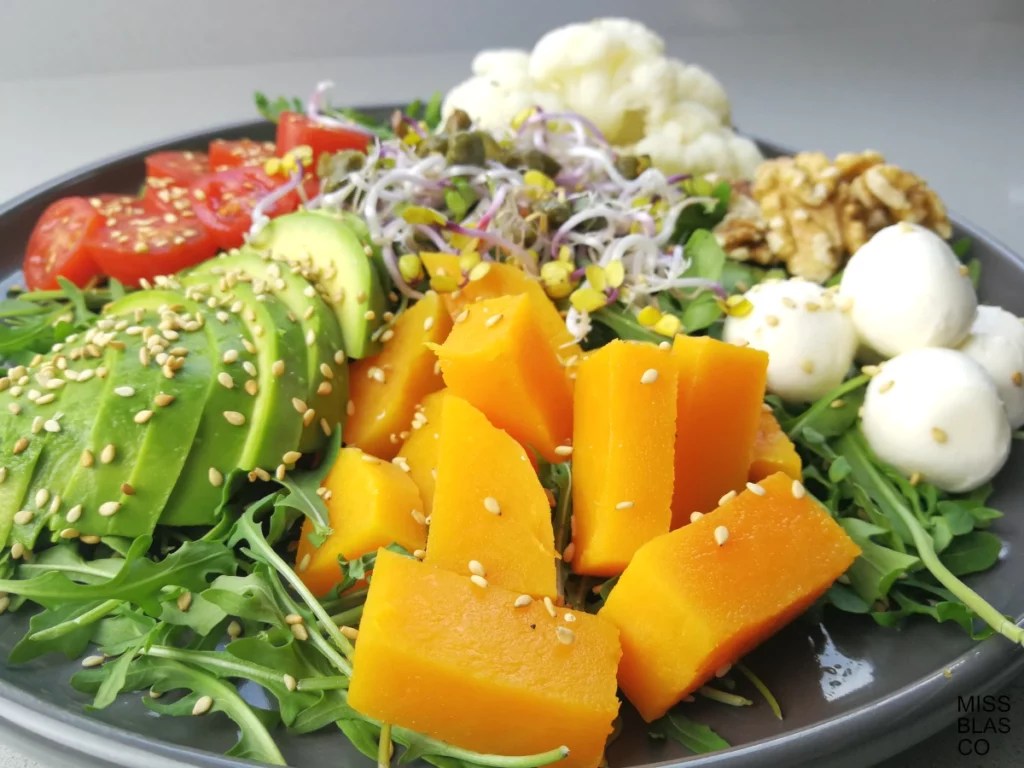
This Colorful Pumpkin Salad is more than a side dish, it’s a complete nutritional experience. By combining vegetables of different colors, healthy fats, seeds, and pumpkin, you create a salad that is satisfying, light, and deeply nourishing.
It’s perfect as a starter, a light main dish, or a side for family meals. Plus, it’s an excellent way to incorporate seasonal pumpkin into your diet in a fresh and unexpected way.
Discover more delicious salads:
Colorful Pumpkin Salad
Ingredients
- 2 cups fresh arugula approx. 2 oz
- 1 cup pumpkin already cooked
- 1/2 cup cherry tomatoes halved (approx. 3 oz)
- 1 medium avocado pitted and sliced
- 4 oz fresh mozzarella pearls or torn pieces
- 1/2 cup walnut halves approx. 2 oz
- 1 tbsp sesame seeds
- 1/2 cup alfalfa sprouts or radish/soy sprouts
- 2 tbsp non-pareil capers drained
- 2 tbsp extra virgin olive oil EVOO
- 1 pinch sea salt
- 1 pinch freshly ground black pepper
Instructions
- Arrange the base: Divide all the ingredients between two standard 9-inch flat dinner plates. To achieve that professional "Buddha Bowl" look, arrange each ingredient in its own section rather than tossing them together, using the photos as your guide.
- Season and dress: Drizzle the extra virgin olive oil evenly over both plates. Season with a pinch of sea salt and freshly ground black pepper to taste.
- Serve: That is it. Your nutrient-dense, colorful bowl is ready to enjoy.
ENSALADA GRIEGA - RECETA - MISS BLASCO ®
[…] La ensalada de colores con calabaza. […]