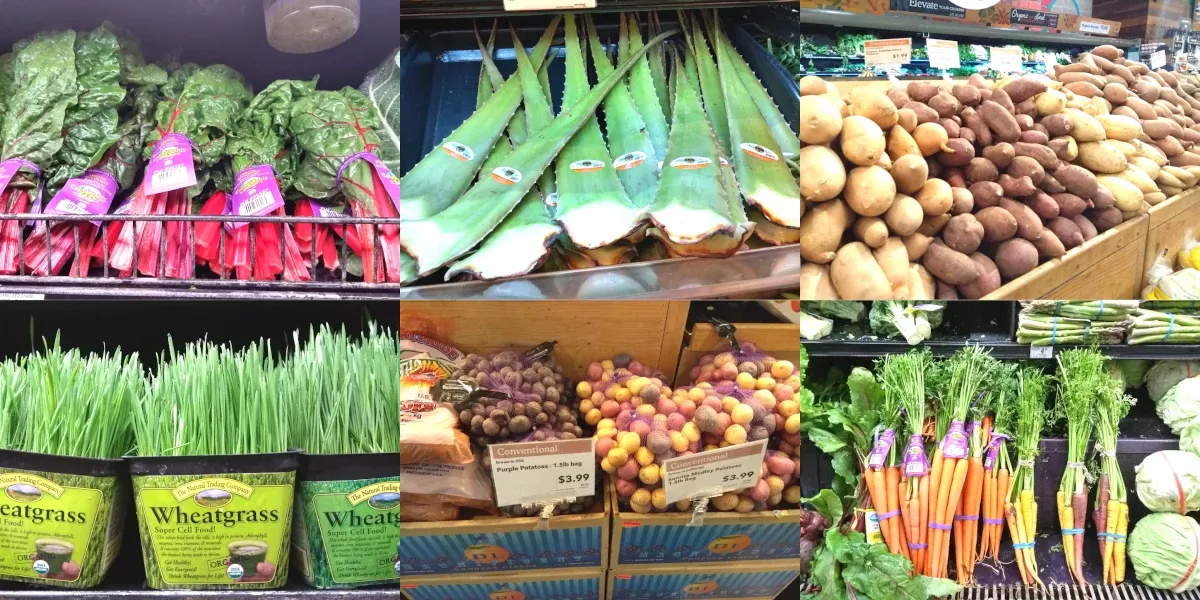
Tips for Healthy Eating
Tips for Healthy Eating: A Practical Guide to a Balanced Lifestyle
Embracing a healthy diet and lifestyle is crucial for physical and mental well-being, for example, helping you manage stress and maintain vitality. This Tips for Healthy Eating guide offers practical, stress-free strategies to integrate nutritious habits into your daily routine without feeling overwhelmed. Whether you’re aiming to boost energy, manage weight, or enhance overall health, these tips will empower you to build a sustainable “temple” of well-being.
Why Healthy Eating Matters
A balanced diet strengthens your body and mind, for instance, making you more resilient to life’s challenges. Here’s why prioritizing healthy eating is essential:
- Enhances Immunity: Nutrient-rich foods, thus, bolster your body’s defenses.
- Boosts Energy: Whole foods prevent energy crashes, therefore, sustaining focus and vitality.
- Supports Mental Health: Proper nutrition, for example, stabilizes mood and reduces anxiety.
- Promotes Weight Control: Unprocessed foods, so, curb cravings and overeating.
- Improves Longevity: Healthy habits, making it, reduce chronic disease risk.
Moreover, adopting these habits gradually, for instance, ensures long-term success without the pressure of restrictive diets.
Adopt a healthy lifestyle with practical tips for hydration, exercise, mental well-being, and whole-food nutrition, tailored to your needs.
The Five Pillars of a Healthy Lifestyle
To achieve optimal health, focus on these five key pillars, for example, which form the foundation of a balanced life:
- Hydration: Drink 1.5–2 liters (about 8 cups) of water daily, thus, supporting digestion, skin health, and energy levels. Water is the ultimate hydrator, unlike sugary drinks or alcohol.
- Exercise and Rest: Engage in daily movement, walking, yoga, or gym workouts, and aim for 7-8 hours of sleep, for instance, to recharge. Exercise boosts endorphins, while rest prevents fatigue.
- Mental Well-Being: Dedicate time to hobbies, meditation, or reflection, therefore, reducing stress. Activities like reading or hiking, for example, nurture creativity and calm.
- Avoid Tobacco and Alcohol: Eliminate smoking and limit alcohol, thus, reducing health risks. Occasional wine or beer is fine, but daily consumption lacks proven benefits.
- Healthy Eating: Cook at home with whole, unprocessed foods, so, controlling ingredients and portions. This pillar, for instance, is where personalized guidance shines.
Mastering Healthy Eating: Key Principles
Healthy eating can feel daunting, for example, due to individual differences in energy needs based on age, activity, and health conditions. However, these principles, for instance, apply broadly:
- Personalized Nutrition: Diets should account for weight, activity, and medical conditions, thus, ensuring effectiveness. Consult a dietitian for tailored plans.
- Whole Foods Focus: Choose foods in their natural state, therefore, avoiding ultra-processed products high in sugars and trans fats.
- Balanced Macros: Aim for ~15% protein, 55% carbs, and 30% fats, for example, as per balanced diet models like the Australian food pyramid.
- Meal Planning: Create weekly menus, so, avoiding impulsive unhealthy choices. A shopping list, for instance, keeps you on track at the store.
In contrast, fad diets or skipping meals cause imbalances, making this whole-food, flexible approach more sustainable.
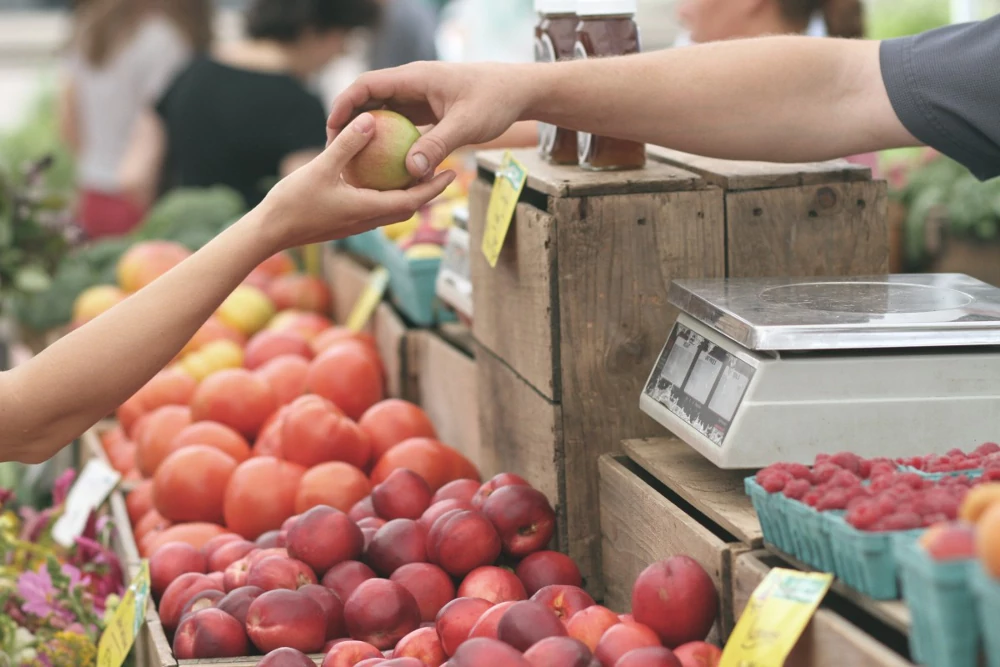
Practical Healthy Eating Tips
Breakfast Options
Breakfast preferences vary, for instance, but avoid free sugars.
- Whole-Grain Sourdough: Fat-free, topped with olive oil or Sugar-Free Applesauce, thus, for a nutrient-dense start.
- Oat Bowl: Unsweetened almond milk, oats, almonds, and cinnamon, for example, rich in fiber and protein.
- Egg-Based: Scrambled eggs with spinach or boiled eggs with Wasa rye toast, therefore, high in satiety.
- Whole Fruit: Red berries or apples, so, skipping high-sugar juices. Pair with black coffee, tea, or water.
Starters and Snacks
Choose nutrient-dense snacks to manage hunger:
- Hummus with Crudités: Carrot or cucumber sticks, thus, for fiber and protein.
- Vegetable Dips: Baba ganoush or cauliflower dip, for instance, for variety.
- Nuts and Seeds: Almonds or sunflower seeds in moderation, therefore, avoiding raisins or cashews.
- Cured Meats: Ham or cecina, so, for a protein-rich bite.
Plan meals with low-carb, nutrient-dense recipes like zucchini noodles or sugar-free compotes, ensuring sustainable weight management.
Main Courses
Prioritize low-carb bases and proteins, for example:
- Veggie Bases: Zucchini noodles or cauliflower rice, thus, replacing pasta or rice.
- Proteins: Grilled salmon, chicken, or Bolognese, for instance, for fullness.
- Creative Dishes: Stuffed zucchini or eggplant, therefore, adding flavor and variety.
- Casual Meals: Lettuce-wrapped burgers, so, ditching high-carb buns.
Desserts
Reserve desserts for special occasions, for example:
- Low-Carb Treats: Sugar-free recipes at nourish.missblasco.com
- Daily Options: Natural yogurt, 85% dark chocolate, or red berries, for instance, low in sugar.
- Homemade Compotes: Sugar-free, paired with cottage cheese, therefore, a healthy treat.
Bread Alternatives
Minimize bread, for example, with:
- Low-Carb Doughs: Flourless Cauliflower pizza crust or Gluten-free broccoli crusts, thus, from nourish.missblasco.com
- Wasa Bread: Rye-based, low-carb toasts, for instance, for convenience.
- Portion Control: Slice and store bread, so, avoiding overeating.
Drinks
- Water: The best choice, thus, flavored with lemon or mint if desired.
- Limit Alcohol: Occasional wine or beer, but, avoid daily intake.
- Avoid Sodas: Even zero-sugar options, for instance, due to sweetener-driven cravings. Gradually switch to sparkling water, thus, breaking the habit.
Avoid ultra-processed foods and sodas, prioritizing water and simple ingredients for long-term health and energy.
-
Make a Shopping List: Plan weekly recipes, thus, avoiding impulse buys.
-
Shop After Eating: Reduces temptation, for instance, when you’re not hungry.
-
Don’t Buy Junk: If it’s not in your kitchen, therefore, you won’t eat it.
-
Prep in Advance: Batch-cook meals, so, saving time and ensuring healthy options.
-
Sustainable: Gradual changes, thus, promote long-term adherence.
-
Simple: Easy recipes with whole ingredients, for example, reduce cooking stress.
-
Organized: Planning prevents improvisation, therefore, keeping you on track.
-
Flexible: Adaptable to individual needs, for instance, ensuring inclusivity.
- Flourless Cauliflower Pizza
- Gluten-free Broccoli Dough
- Low Carb Cottage Cheese and Blueberry Muffins
BLOG, HEALTH, HEALTHY, LIFESTYLE, LOW CALORIES, LOW CARB, NUTRITION, SUGAR FREE