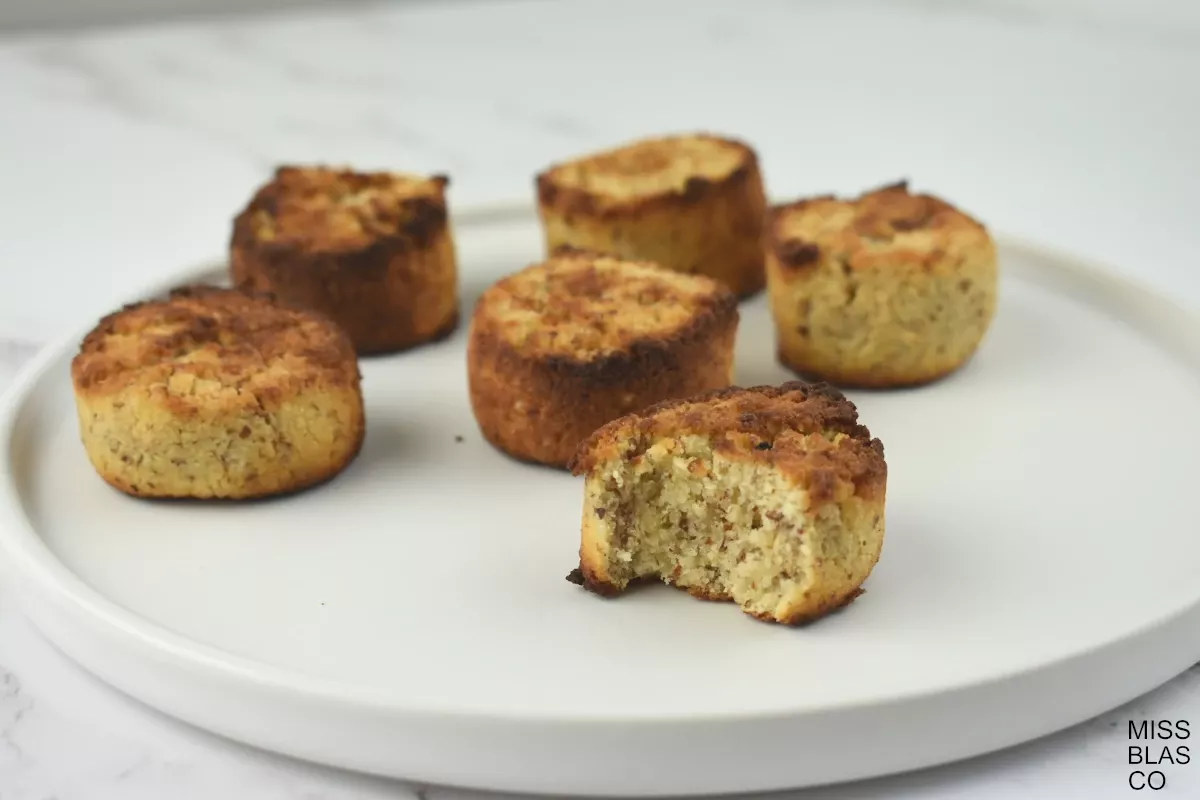
Sugar-Free Vanilla Scones
Sugar-Free and Gluten-Free Vanilla Scones
In the world of clinical nutrition, one of the most common challenges patients face is the management of portion control. We often find ourselves in a battle between our nutritional goals and the highly palatable nature of traditional baked goods. As a nutritionist, I am constantly searching for recipes that bridge the gap between “comfort food” and “functional food.” This brings us to the Scone, a classic English bun that, in its traditional form, is a high-carb, high-sugar indulgence, but with the right modifications, becomes a powerful tool for healthy living.
Traditional scones are unmistakable for their texture; they are designed to melt in your mouth from the very first bite. By deconstructing the classic recipe and removing refined wheat flour and added sugars, we can create a version that is gluten-free, low-carb, and incredibly satisfying. Whether you prefer the aromatic sweetness of vanilla or the savory depth of cheese, these buns offer a sophisticated solution for those following a ketogenic or sugar-conscious lifestyle.
The Psychology of the Individual Portion
I have always been a strong advocate for recipes prepared in individual portions. From a metabolic and psychological standpoint, units are far superior to a single, large cake or loaf. The reason is rooted in human behavior and the ease of measurement.
Consider the “cake moment” that many of us have experienced. You cut a reasonable slice, intending for it to be your only serving. Once finished, almost unconsciously, you return for a smaller sliver, then perhaps another that is as thin as a sheet of paper, and finally, you find yourself picking at the crumbs. This is a common phenomenon driven by the lack of a clear “stopping point.”
When we prepare food in distinct units, such as these Sugar-Free Vanilla Scones, we change the narrative of the meal:
- Defined Boundaries: You open the container, select one or two units, and close it. This physical act of closing the box serves as a psychological cue that the eating occasion is complete.
- Portability for Busy Lifestyles: These scones are ideal for “on the go” nutrition. As a nutritionist with a “non-stop” schedule, I find that having healthy snacks prepared at the beginning of the week is essential. It prevents the impulsive consumption of ultra-processed foods when hunger strikes during a busy workday.
- Kid-Friendly Nutrition: Children are naturally drawn to individual portions. These scones serve as a nutritious addition to a school lunch box, providing stable energy without the sugar crashes associated with traditional snacks.
Individual portioning acts as a biological “stop sign,” making it significantly easier to manage caloric intake and maintain metabolic health.
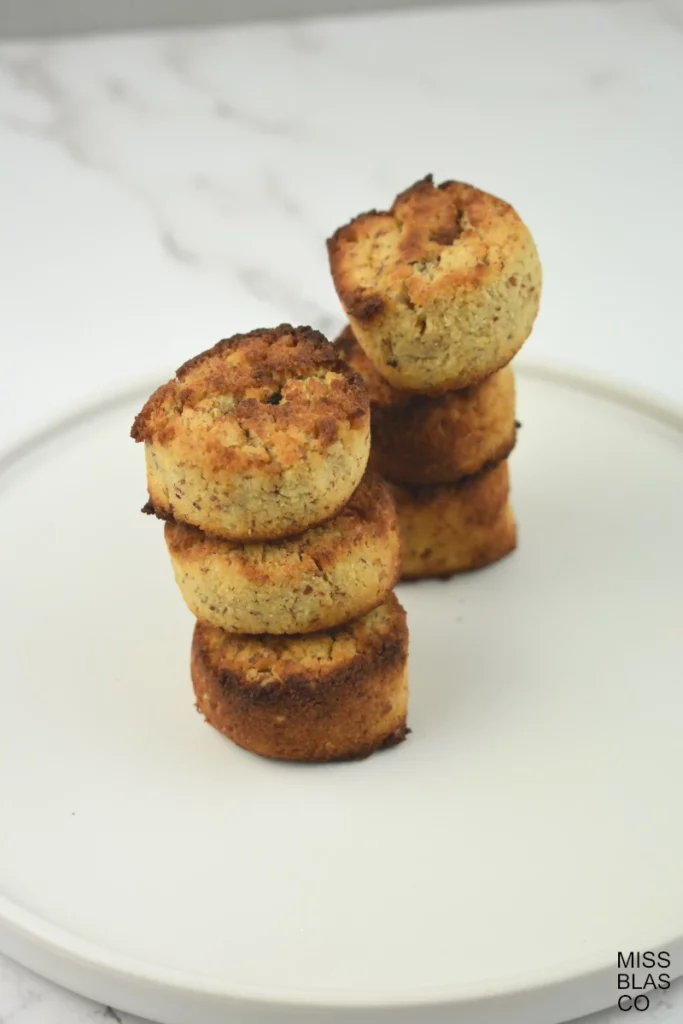
Deconstructing the Healthy Scone: Ingredients and Metabolism
The secret to a scone that “melts in your mouth” without the use of gluten lies in the balance of healthy fats and alternative flours. Traditional scones rely on wheat flour and sugar, which can lead to intestinal inflammation and blood sugar instability. Our version utilizes almond flour and butter, providing a dense, nutrient-rich profile.
Sweet vs. Savory: Two Versions for Every Need
I recommend preparing two versions of this recipe to cover all your daily requirements.
Sugar-Free Vanilla Scones: These are ideal for breakfast or as a light dessert. By using a high-quality vanilla extract and a touch of erythritol, you achieve a sweet profile without the metabolic cost of sucrose. For an extra boost of phytochemicals and antioxidants, you can add fresh berries such as blueberries, raspberries, or blackberries.
Savory Gluten-Free Cheese Scones: These are perfect for a mid-morning snack or as a side for a clinical nutrition lunch. The protein from the cheese increases satiety, making them a functional choice for long afternoons at work.
Replacing refined wheat with almond and coconut flours lowers the glycemic index, preventing insulin spikes while providing essential fiber.
The British Tradition Meets Modern Science
While scones are a staple of the refined 5:00 p.m. English tea ritual, they are equally effective when paired with your morning coffee. The fats in the butter and almond flour help slow the absorption of caffeine, providing a more stable and prolonged energy release compared to drinking coffee on an empty stomach.
The Importance of Gluten-Free and Low-Carb Choices
For many of my clients, moving away from gluten is not just a trend but a necessity for digestive health. Gluten can contribute to increased intestinal permeability, which may lead to systemic inflammation. By opting for a gluten-free scone, we support gut health while enjoying a classic texture.
Furthermore, the low-carb nature of this recipe is vital for maintaining a healthy weight. When we consume fewer carbohydrates, the body becomes more efficient at utilizing fat for fuel. These scones are designed to be high in satiety, meaning you feel full faster and stay full longer, which is the ultimate goal of any weight management strategy.
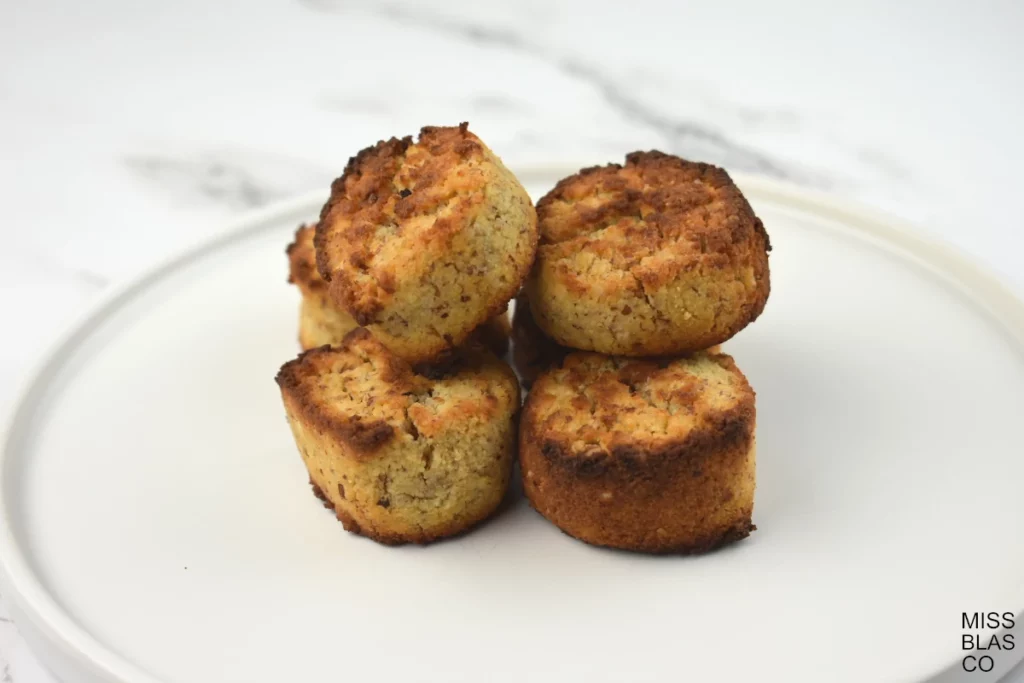
Tips for Success: Customization and Storage
The basic vanilla scone is a blank canvas. While I often enjoy them plain to appreciate the buttery notes, the inclusion of fruit is a wonderful way to vary your nutrient intake.
- Berries: Blueberries and raspberries are low in sugar but high in fiber and vitamins.
- Storage: Because these recipes contain real butter and no preservatives, storage is key. Keep them in an airtight container in a cool, dry place. During warmer months, it is best to store them in the refrigerator to prevent the healthy fats from becoming rancid.
A versatile base recipe allows for both sweet and savory variations, catering to different energy needs throughout the day.
The journey toward a healthier lifestyle does not require the abandonment of culinary pleasure. It requires a mindful approach to ingredients and portioning. These Sugar-Free Vanilla Scones represent exactly that: a bridge between tradition and nutrition. They allow you to enjoy a moment of indulgence while remaining firmly in control of your health goals.
Whether you are looking for a snack to take to the office or a healthy treat for your family, these scones offer a delicious, science-backed solution. I encourage you to try both the vanilla and the cheese versions to see which fits your lifestyle best.
You Might Also Like
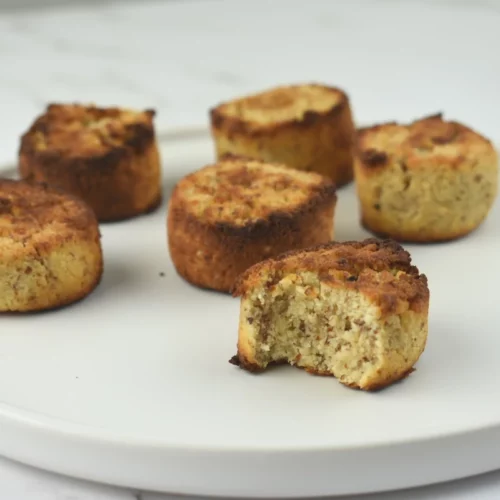
Gluten-Free Vanilla Scones
Equipment
- Convection oven
Ingredients
- 1 cup almond flour
- 2 tbsp almond flour
- 1/4 cup coconut flour not shredded coconut
- 1/2 tsp sea salt
- 1/2 tsp baking powder
- 2 tbsp unsalted butter melted (approx. 30 g)
- 1 large egg
- 1/4 cup whole milk
- 1/4 tsp pure vanilla extract
- 2 tbsp erythritol
- Fresh blueberries, strawberries, or blackberries Optional
Instructions
- Whisk the wet ingredients: In a medium mixing bowl, beat the egg. Add the milk, melted butter, and vanilla extract. Mix until well combined.
- Combine the dry ingredients: In a separate bowl, whisk together the almond flour, coconut flour, sea salt, baking powder, and erythritol to ensure an even distribution.
- Form the dough: Incorporate the wet mixture into the dry ingredients. Use your hands to knead the mixture until a consistent dough forms.
- Shape the scones: Prepare a baking sheet lined with parchment paper. Place the dough onto the sheet and shape it into a cylinder or log, keeping it as uniform as possible.
- Cut into portions: Slice the cylinder into equal portions and arrange them on the baking sheet.
- Bake: Place the tray in a preheated oven at 350°F (180°C). Use the convection (fan) setting if available. Bake for approximately 12 minutes. Carefully flip the scones and bake for an additional 3 to 4 minutes. Since oven temperatures vary, keep a close eye on them; they are ready when they achieve a golden-brown finish.
- Cool and store: Allow the scones to cool completely before transferring them to an airtight container. They keep well for a full week. If you live in a warm climate, it is better to store them in the refrigerator. Always keep them in a cool, dry place to prevent the fats from the butter and nut flours from becoming rancid.
- 1/4 tsp pure vanilla extract
- 2 tbsp erythritol
- Optional: fresh blueberries, strawberries, or blackberries
EASY, GLUTEN FREE, KETO, LOW CARB, SCONES, SNACKS, SUGAR FREE, VANILLA
Noelia
Buenas! Acabe de fer els scones. He de dir que pensava que no m’ixirien be perque la massa no era tan compacta com la teua i he fet el rotllo i he tallat les porcions com he pogut! La formeta es com de ametllata o rossegons pero de sabor bonissims! No ho esperava. Fins al meu novio li han agradat!! Per a ell li faltava sucre pero be😂😀. Molt bona recepta. Jo l’he menjat en mermelada de taronja canella i panses ,que vaig comprar a xalo. Pd: ma mare s’ha quedat maravellada amb les dentilles😉
missblasco
Què bé Noelia!! M’alegre de que t’agraden els scones, son molt fàcils de fer i es poden fer moltes versions, a la meua filla li encanten, estic pensant en fer.ne de més sabors, llima, cacao, taronja, etc… Si a ta mare li han agradat les llenties, ja saps! sorpren-la de volta en quan! Una abraçada i mil gràcies pels comentaris! 😉