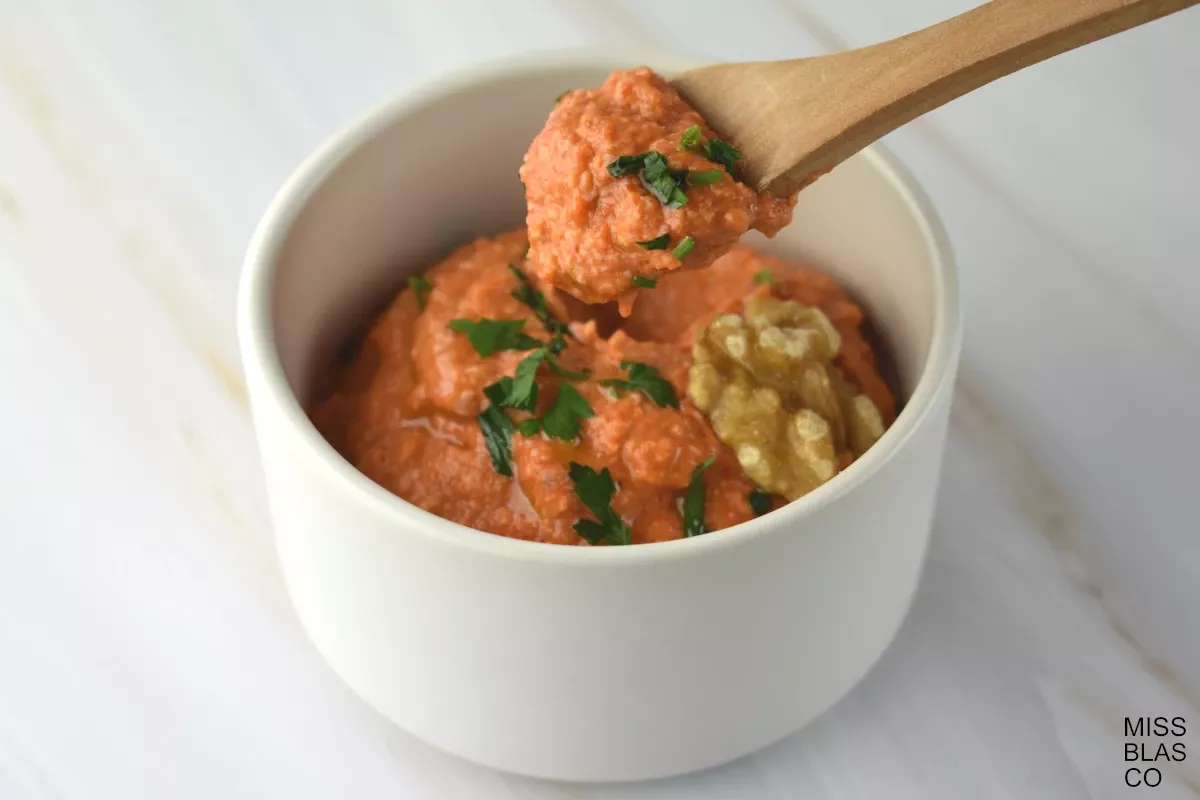
Red Pepper and Nut Dip (Muhammara)
Discovering Muhammara: The Soul of Syrian Cuisine
In the world of Mediterranean and Middle Eastern spreads, there is a hidden gem that often takes a backseat to hummus, yet offers a flavor profile that is arguably more complex and rewarding. This dish is Muhammara. Originally hailing from Aleppo, Syria, Muhammara is a savory, sweet, and slightly spicy cream made primarily from roasted red peppers and walnuts.
As a nutritionist, I am always looking for recipes that marry ancestral wisdom with modern health requirements. Muhammara is a textbook example of this balance. It utilizes simple, whole ingredients that are staples of the Mediterranean diet to create a dip that is as versatile as it is nutritious. Whether you are looking for a centerpiece for your summer appetizers or a sophisticated accompaniment for grilled proteins, this pepper and walnut dip is an essential addition to your culinary repertoire.
The Mediterranean Ingredients
The traditional preparation of Muhammara involves a harmonious blend of ingredients that provide a wide array of micronutrients. The base consists of:
- Roasted Red Peppers
- Walnuts
- Garlic
- Cumin and Chili Peppers
- Lemon Juice
Traditionally, this recipe also calls for pomegranate molasses. However, pomegranate is a seasonal fruit and not always available during the height of summer. While omitting it may deviate slightly from the ancient Syrian blueprint, I can assure you that the resulting dip remains an exquisite experience for the palate.
Muhammara combines the heart-healthy fats of walnuts with the antioxidant power of roasted peppers for a truly functional appetizer.
The Nutritionist’s Twist: Skipping the Molasses
One of the defining ingredients of commercial or traditional Muhammara is pomegranate molasses. This ingredient is a reduction of fresh pomegranate juice with sugar and lemon, resulting in a thick, sweet-and-sour syrup.
As a nutritionist dedicated to blood sugar stability and metabolic health, I am not a fan of syrups or molasses, regardless of their origin. Therefore, my version of Muhammara takes the liberty of omitting the pomegranate molasses entirely. By doing so, we achieve several health benefits:
- Reduced Glycemic Load: We avoid the rapid insulin spike caused by added sugars.
- Lower Caloric Density: The dip becomes lighter and more digestible.
- Flavor Clarity: Without the overwhelming sweetness of the syrup, the smokiness of the peppers and the earthiness of the walnuts can truly shine.
If you happen to be making this during pomegranate season and miss that specific tartness, you can add one or two tablespoons of fresh pomegranate juice. However, I assure you it is not necessary for a delicious result.
By omitting pomegranate molasses, you reduce the glycemic load of the dip, making it lighter, more digestible, and sugar-free.
Practical Tips for the Perfect Batch
To ensure your Muhammara is a success at your next summer lunch or dinner party, consider these professional tips:
Adjusting Consistency
The texture of Muhammara is highly subjective. Some prefer it coarse and rustic, while others enjoy a silky smooth cream. You can vary the amount of walnuts to achieve your desired thickness. More walnuts will result in a denser, more satiating paste, while fewer walnuts will highlight the juiciness of the peppers.
The Probiotic Variation
Instead of using fresh lemon juice, try adding the flesh of half a fermented lemon. This simple swap transforms the dip into a probiotic vegetable cream, supporting your gut microbiome while adding a deep, umami-rich citrus flavor that is common in North African cuisine.
Managing the Heat
The spicy touch from the chilies is what makes Muhammara exquisite. It provides a unique “kick” that cuts through the richness of the walnuts. However, if you are preparing this for a family gathering that includes young children or individuals sensitive to spice, simply omit the chilies. The dip will still be flavorful due to the cumin and garlic.
How to Serve Your Muhammara
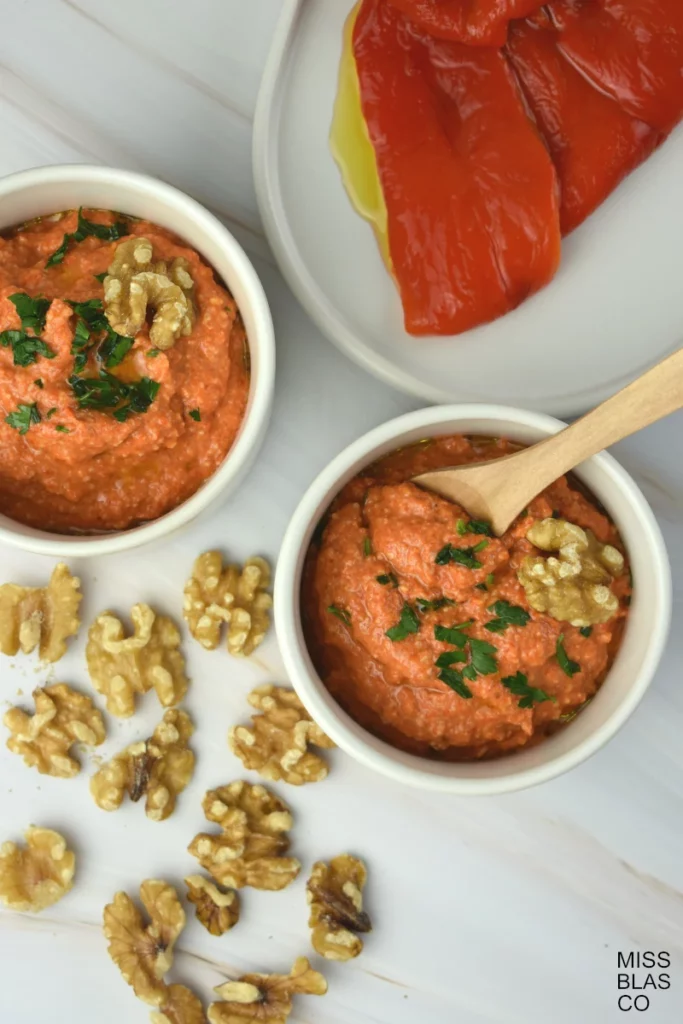
Muhammara is an incredibly social food. It is perfect for summer dinners where guests can help themselves. Here are my favorite ways to serve it:
- With Grain-Free Tortillas: I often prepare homemade tortillas using almond flour, coconut, and kefir. They are the perfect low-carb vessel for dipping.
- With Crudités: For the lightest option, use cucumber slices, carrot sticks, or raw bell pepper strips.
- As a Sauce: It works wonderfully as a topping for grilled white fish or roasted chicken, adding moisture and a punch of flavor.
- The Barbecue Hero: Along with hummus, Muhammara is a guaranteed hit at any barbecue, providing a refreshing contrast to grilled meats.
This versatile dip serves as both a healthy snack with crudités and a sophisticated sauce for grilled meats and fish.
A Quick and Surprising Delight
If you are looking for a way to surprise your guests with something different, easy, and fast, Muhammara is the answer. It represents the best of Mediterranean eating: minimal processing, high-quality fats, and vibrant vegetables.
Without a doubt, once you try this roasted pepper and walnut cream, it will become a permanent fixture in your summer menu. It is light, nutritious, and free from the hidden sugars found in many commercial spreads. I encourage you to try it this week—your palate and your health will thank you.
If you enjoyed this guide, don’t forget to check out my recent posts on different types of hummus to complete your healthy appetizer spread.
More healthy dips:
- Classic Hummus
- Red Kidney Bean Hummus
- Easy Lentil Hummus
- Spinach Artichoke Dip
- Roasted Cauliflower and Pecan Dip
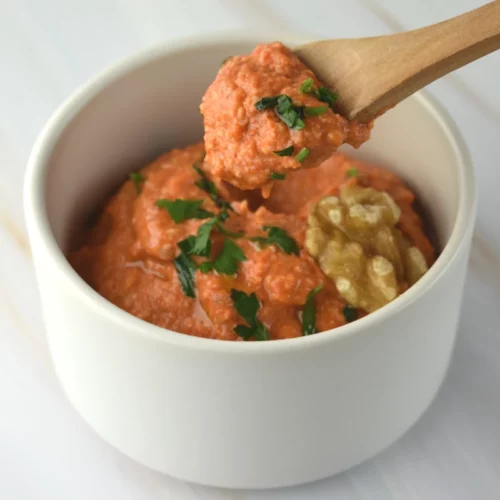
Red Pepper and Nut Dip (Muhammara)
Equipment
- Food Processor
Ingredients
- 3 large roasted red bell peppers peeled and seeded
- 1 cup shelled walnuts approx. 3.5 oz
- 1/4 tsp ground cumin
- 2 small dried red chilies adjust or omit for less heat
- 1 tbsp fresh lemon juice
- 1 garlic clove peeled
- 1/2 tbsp extra virgin olive oil EVOO
- 1 pinch sea salt
Instructions
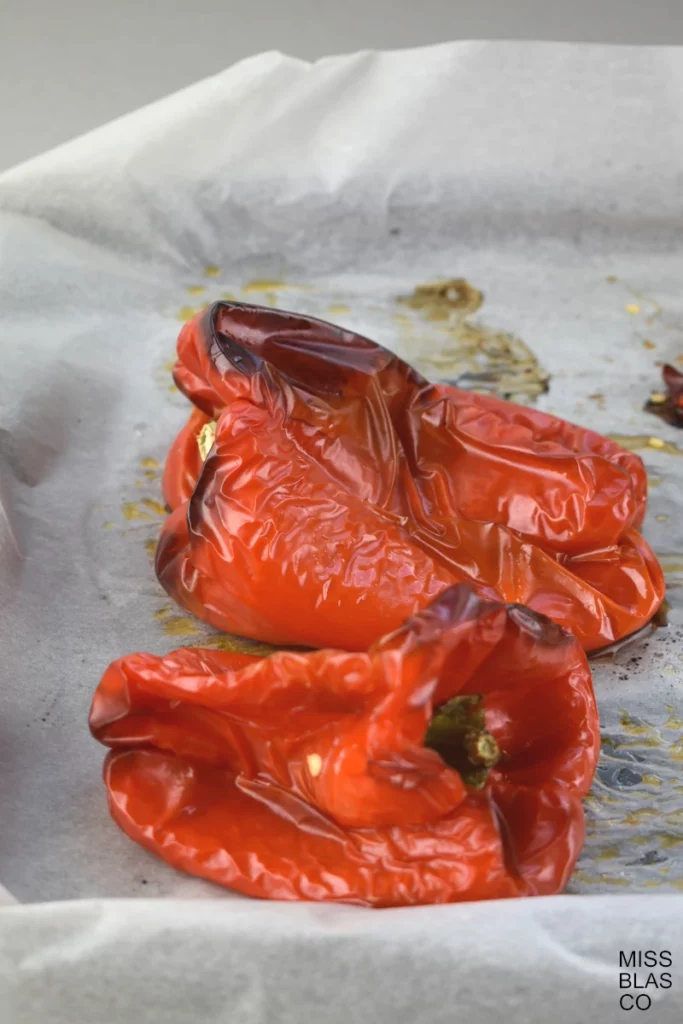
- If you are roasting them fresh: roast the whole peppers in the oven at 400°F until the skin is charred and blistered. Place them in a bowl covered with plastic wrap for 10 minutes to steam; this makes them easier to peel. Once cooled, remove the charred skin, the stems, and all internal seeds.
- Place the roasted pepper flesh into a food processor or high-speed blender. Add the walnuts, ground cumin, dried chilies, lemon juice, garlic, extra virgin olive oil, and the pinch of sea salt.
- Pulse or blend the ingredients until you achieve a smooth, homogeneous cream. If you prefer a more rustic, chunky texture, pulse only a few times until the walnuts are finely chopped but not fully liquified.
- Transfer the cream to a shallow serving bowl. For a professional finish, garnish the top with a few extra crushed walnuts and a light drizzle of extra virgin olive oil.
Notes
- Texture Control: If the dip feels too thin, add a few more walnuts and pulse again. The walnuts act as the thickening agent in this recipe.
- Serving Suggestions: This dip is traditionally served with pita bread, but for a lower-carb option, it pairs beautifully with cucumber slices, celery sticks, or as a flavorful topping for grilled chicken or salmon.
- Storage: You can store your Muhammara in an airtight glass container in the refrigerator for up to 5 days. The flavors actually deepen and improve after 24 hours of chilling.
SILVIA
Espectacular, nos ha encantado!!!!
missblasco
Gracias Silvia! Me alegro mucho, la verdad es que es un dip delicioso. Saludos! 😉