MACs (Microbiota-accessible carbohydrates)
Understanding MACs: The Essential Fuel for a Diverse Microbiome
In the field of clinical nutrition, we often discuss the importance of fiber. However, to truly optimize our metabolic health, we must look closer at a specific category known as MACs, or Microbiota Accessible Carbohydrates. Simply put, MACs represent the portion of dietary fiber that our intestinal microbes can actively metabolize.
While the human body lacks the enzymes to digest most fibers, our microbiota can ferment them, transforming them into beneficial short-chain fatty acids. It is important to note that while MACs are found predominantly in plants, they are also present in certain animal tissues. Consuming a wide variety of these sources is the most effective way to foster a diverse and resilient microbial ecosystem.
Maintaining a diverse microbiota is a fundamental strategy to reduce chronic inflammation and promote long-term metabolic balance.
Not All Fiber is Created Equal
A common misconception is that all fiber serves as food for our gut bacteria. However, the biological reality is more nuanced: all MACs are fiber, but not all fiber qualifies as a MAC.
To understand the difference, we must distinguish between fermentable and non-fermentable structures:
- Non-fermentable Fiber: Components such as cellulose, hemicellulose, and lignin are neither digestible by us nor fermentable by our bacteria. They provide bulk but do not feed the microbiota.
- Fermentable Fiber (MACs): This group includes pectins, mucilages, resistant starch, beta-glucans, fructans, inulin, and galactooligosaccharides. These are the true “bio-available” carbohydrates for your gut flora.
Top Food Sources of MACs
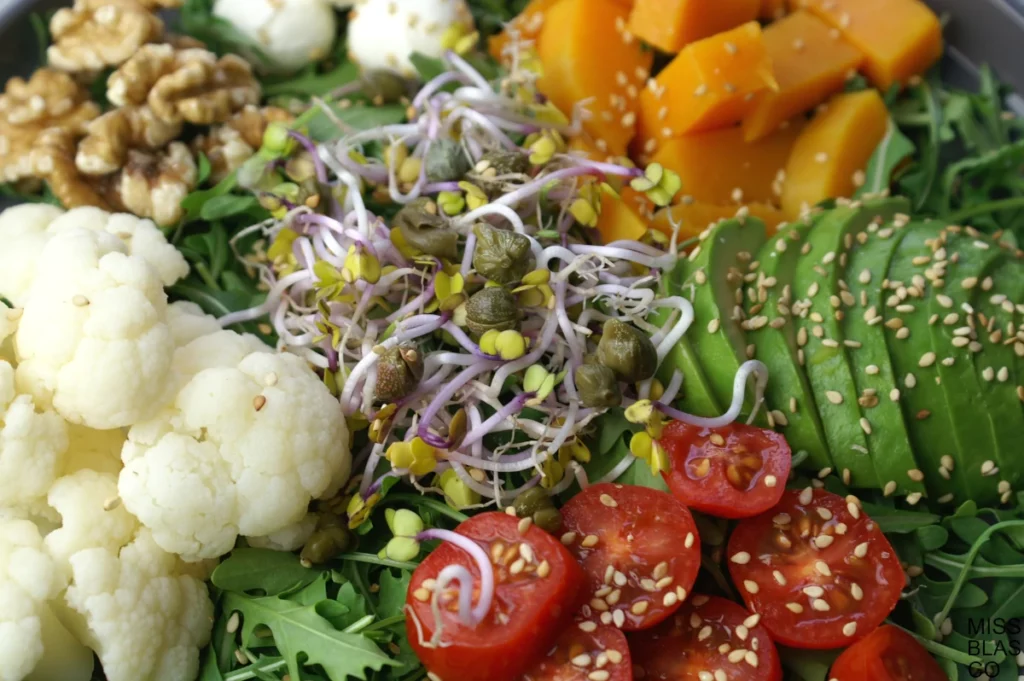
Integrating these specific carbohydrates into your daily diet is essential for preventing dysbiosis. Below is a professional breakdown of where to find these essential molecules:
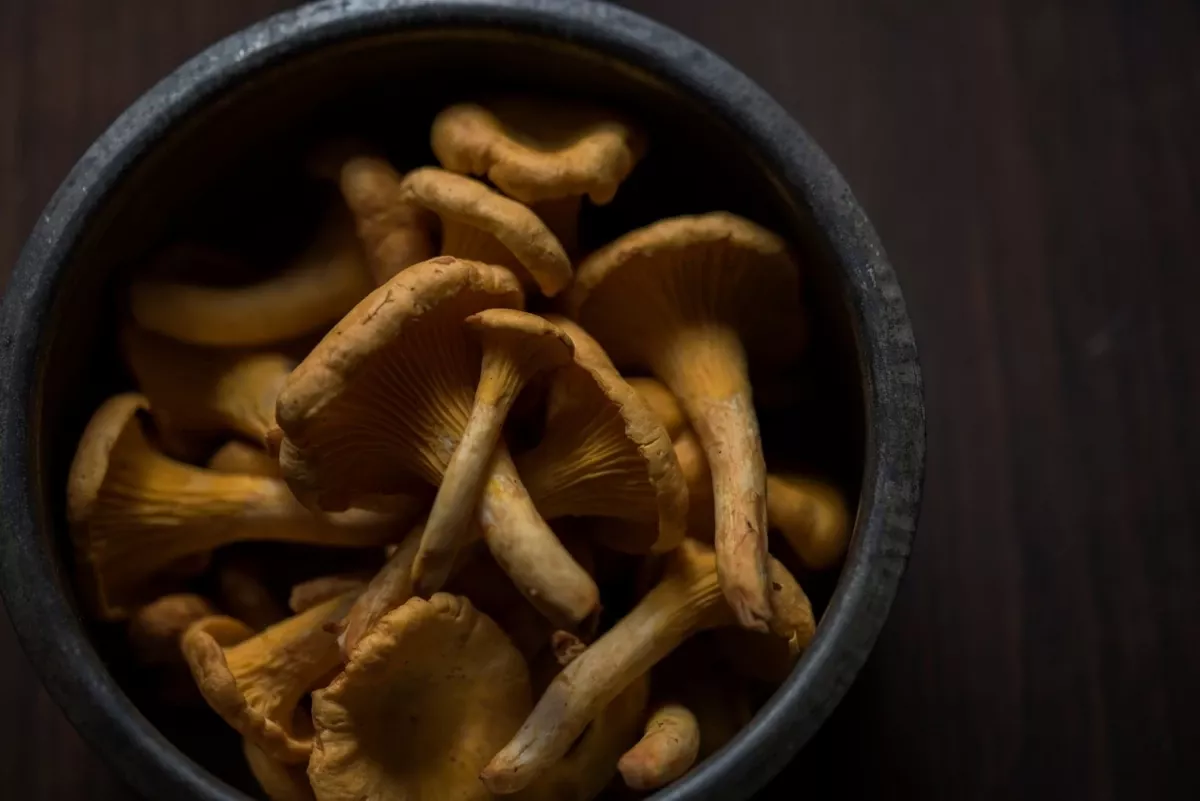
- Beta-glucans: Primarily found in mushrooms and various types of seaweed.
- Pectins: Abundant in quinces, apples, blueberries, grapes, and citrus fruits like lemons and oranges.
- Resistant Starch: This is found in cooked and cooled potatoes or rice (cooled for 24 hours to allow starch retrogradation), sprouted legumes, sweet potatoes, and green plantains.
- Mucilages: Excellent sources include figs, agar-agar, and soaked flax or chia seeds.
- FOS and Inulin: These prebiotics are concentrated in garlic, onions, leeks, artichokes, asparagus, and tomatoes.
The strategic consumption of resistant starch and mucilages provides the necessary substrate for a healthy intestinal barrier.
The Role of Fermented Foods and Probiotics
In addition to prebiotics (MACs), providing the gut with natural probiotics is a powerful way to strengthen the immune system. Fermented vegetables, such as sauerkraut or kimchi, are excellent sources of live microorganisms. While you can prepare these at home using a simple brine, it is vital to control temperatures and hygiene to ensure a safe fermentation process.
Regarding dairy, products like kefir, yogurt, and raw milk cheeses offer the highest probiotic value. It is worth noting that commercial pasteurization kills most beneficial bacteria. While store-bought yogurt provides calcium and protein, it lacks the microbial density of traditional, homemade ferments.
Fermented Beverages: Kombucha and Rejuvelac
Kombucha, a fermented tea made with a SCOBY (Symbiotic Culture of Bacteria and Yeast), offers multiple health benefits. However, its consumption should be monitored in patients with SIBO or diabetes, as the final product contains between 2% and 7% residual sugar.
Rejuvelac, often called “the enzyme drink,” is the liquid resulting from fermenting sprouted grains. It is highly perishable and rich in enzymes that significantly improve digestive efficiency.
The Impact of Sprouts on Bioavailability
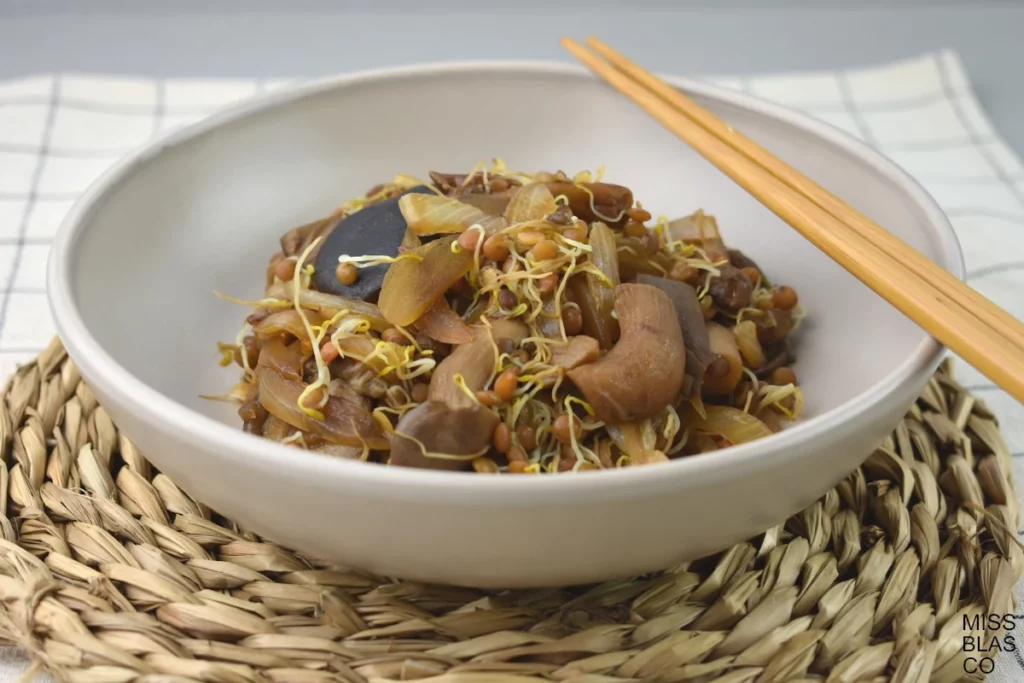
Sprouting is a transformative process that increases the concentration of vitamins and minerals in legumes and seeds. More importantly, sprouts possess a higher concentration of enzymes, making them much easier to digest than their dormant counterparts.
Foods to Avoid for a Healthy Microbiota
Understanding what harms the microbiota is as critical as knowing what nourishes it. To prevent dysbiosis and systemic inflammation, the following should be avoided:
- Refined flours and excessive starches.
- Added sugars and artificial sweeteners.
- Industrial pastries, ultra-processed cereals, and “diet” bars.
- Vegetable oils (sunflower, palm, etc.).
- Ultra-processed products, including packaged juices, processed meats, and instant soups.
- Alcohol consumption.
The brain, the intestine, and the microbiota are connected via a bidirectional axis that determines our mental and physical well-being.
Conclusion and Action Plan
The path to a healthy microbiome is rooted in “real food.” Prioritizing products in their natural state and cooking at home are the most effective ways to protect your gut-brain axis. A healthy connection here is a preventative factor against conditions ranging from allergies and anxiety to neurodegenerative diseases like Alzheimer’s or Parkinson’s.
Action Steps:
- Replace processed snacks with nuts, seeds, or fresh vegetables like carrots and celery.
- Prepare homemade broths and freeze them to create quick, nutrient-dense soups.
- Experiment with home fermentation of vegetables and dairy to ensure a high probiotic intake.
- Reduce sugar dependency by choosing natural whole foods and allowing your palate to adapt to lower sweetness levels.
The most powerful tool for your health is your kitchen.
Discover recipes rich in MAC’s:
Learn how to ferment at home:
BLOG, FERMENTATION, GUT HEALTH, HEALTH, MACs, MICROBIOTA, SPROUTS