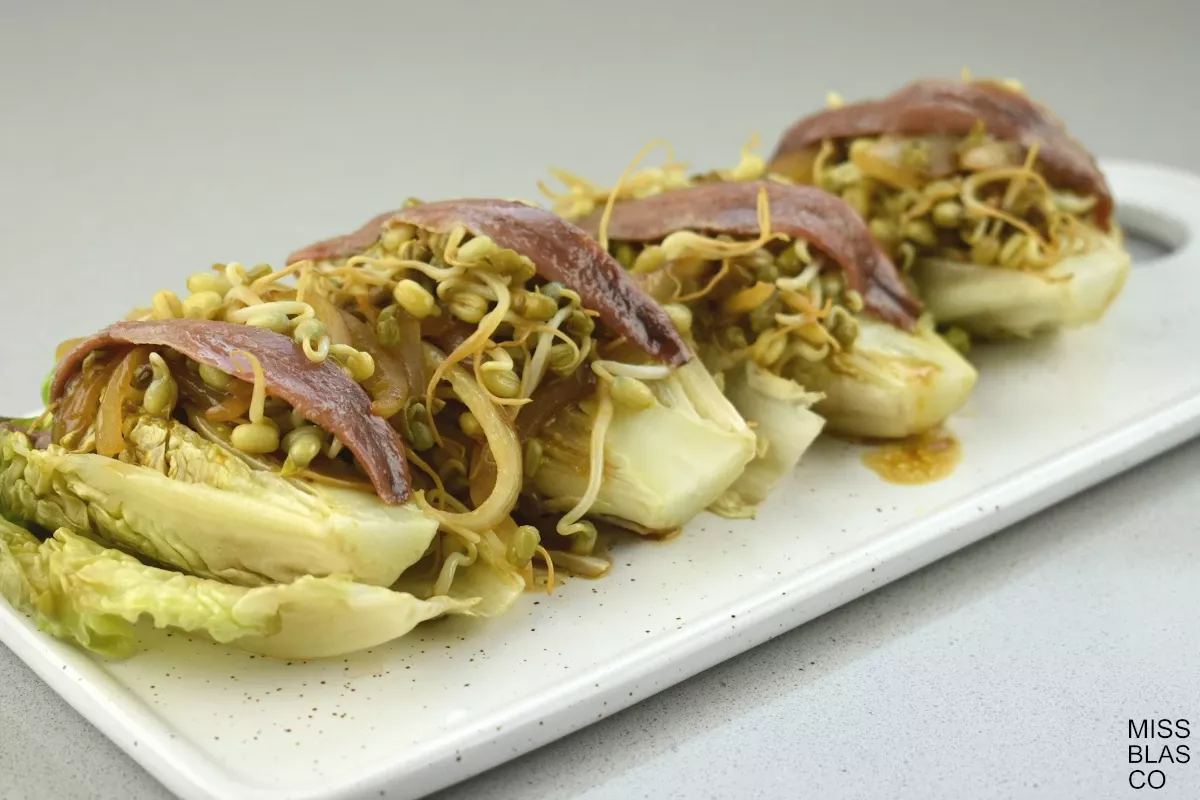
Grilled lettuce hearts and sprouts
Grilled Lettuce and Living Sprouts
In clinical nutrition, we often focus on what we eat, but as an expert with over a decade of experience, I can tell you that how we prepare our food is equally vital. Many of my patients struggle with the digestion of raw cruciferous vegetables and dense leafy greens.
This dish serves as a bridge between the refreshing nature of a salad and the comforting warmth of a cooked meal. By understanding the enzymatic power of sprouts and the structural changes that occur when we apply heat to lettuce, you can unlock a new level of nutritional bioavailability.
The Digestive Advantage of Grilled Lettuce
It may seem unconventional to apply heat to lettuce, but from a physiological perspective, braised or grilled lettuce hearts are a revelation. Raw lettuce contains cellulose, a complex carbohydrate that provides structural integrity to the plant. For individuals with sensitive digestive systems, breaking down large amounts of raw cellulose can lead to bloating or discomfort.
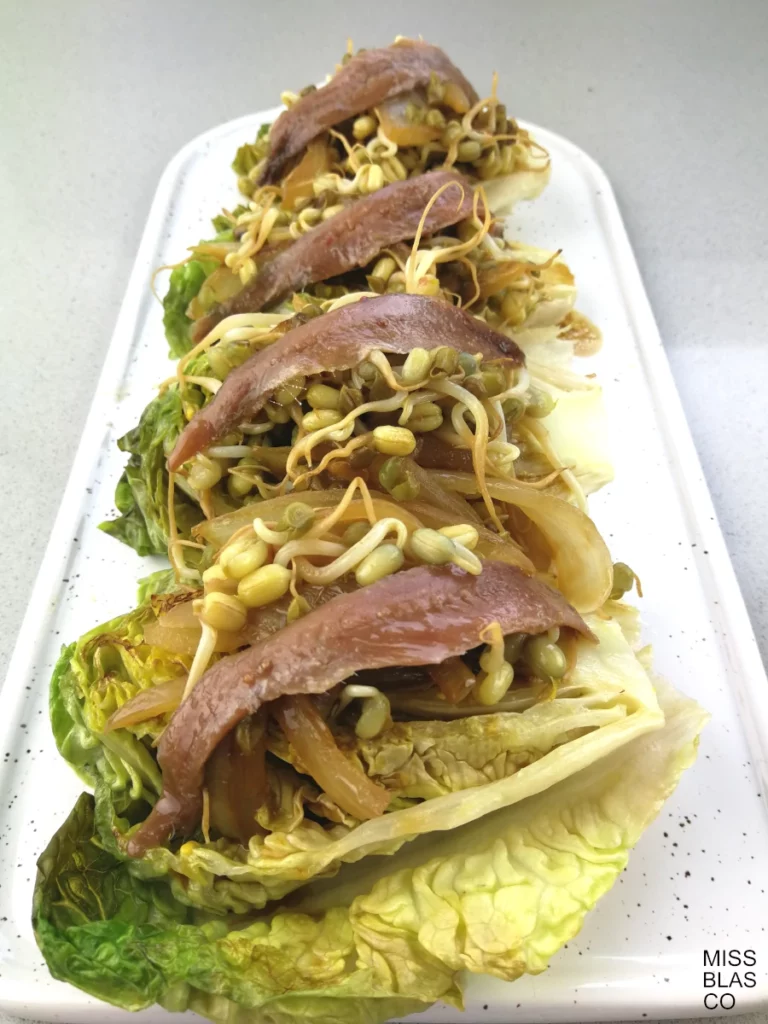
When we lightly grill lettuce hearts, the gentle heat begins to break down these fibrous cell walls. This “predigestion” through heat makes the nutrients within the leaves much more accessible to your body, easing the workload on your gastrointestinal system. Furthermore, grilling caramelizes the natural sugars in the lettuce, providing a smoky, nutty depth of flavor that raw leaves simply cannot achieve.
The Power of Sprouting
As a specialist in nutrient density, I am a fierce advocate for home sprouting. Sprouting is the process of germinating seeds—such as mung beans, lentils, or broccoli seeds—to be eaten either raw or lightly cooked. The primary goal of sprouting is to transform a dormant seed into a “living food” that is significantly richer in enzymes and nutrients than the original seed.
Nutritional Benefits
- Increased nutrient concentration: During the germination process, the levels of vitamins (especially Vitamin C and B-group vitamins) and minerals within the seed skyrocket.
- Elimination of antinutrients: Seeds naturally contain compounds like phytic acid and lectins, which act as defense mechanisms to prevent digestion. Sprouting neutralizes these antinutrients, allowing your body to absorb minerals like zinc, calcium, and iron more effectively.
- Enhanced enzyme activity: Sprouted seeds contain a high concentration of active enzymes. These enzymes are essential biocatalysts that assist your body in the chemical breakdown of food.
- Superior bioavailability: Because the seed has already begun the work of breaking down its own starches and proteins into simpler forms, your body can utilize these nutrients with minimal metabolic effort.
The One-Minute Sauté
A common mistake in the kitchen is overcooking sprouts. In clinical nutrition, we emphasize that many of the most beneficial compounds in sprouts, specifically the enzymes and certain heat-sensitive vitamins, are destroyed by prolonged exposure to high temperatures.
To maintain the integrity of the mung bean sprouts in this recipe, I utilize a high-heat, short-duration sauté. After softening onions over low heat until transparent, add the sprouts for exactly one minute. A quick splash of soy sauce or tamari adds umami without compromising the “living” qualities of the food. This ensures you receive the crunch and the enzymatic benefits in every bite.
Proteins and Vinaigrette
To turn these grilled hearts into a complete, high-protein meal, I recommend incorporating high-quality preserved or smoked proteins. Options such as smoked cod, wild-caught salmon, or anchovies provide essential Omega-3 fatty acids, which are crucial for reducing systemic inflammation.
The final, and perhaps most important, element is the vinaigrette. In a warm salad, the dressing acts as a vehicle for fat-soluble vitamins (A, D, E, and K). A well-balanced vinaigrette using extra virgin olive oil and an acidic component like apple cider vinegar or lemon juice not only harmonizes the smoky flavor of the lettuce but also aids in the absorption of the nutrients found in the sprouts.
Culinary Instructions
- Prepare the Hearts: Halve your lettuce hearts lengthwise, keeping the root intact so the leaves stay together.
- The Grill: Lightly brush the flat side of the lettuce with olive oil and place them on a hot grill or griddle for 2–3 minutes until char marks appear.
- The Sprout Sauté: Sauté onions until translucent. Add your home-grown mung bean sprouts and a dash of soy sauce. Stir for 60 seconds and remove from heat immediately.
- Assembly: Place the warm lettuce hearts on a plate, top with your sautéed sprouts, and layer your chosen smoked fish over the top.
- Finish: Drizzle generously with your vinaigrette and serve immediately.
Related Posts:
- How to sprout lentils at home.
- How to sprout mung beans at home.
- Sprouted Lentils Stir-Fry.
- Sprouted Lentils Stir-Fry with Vegetables.
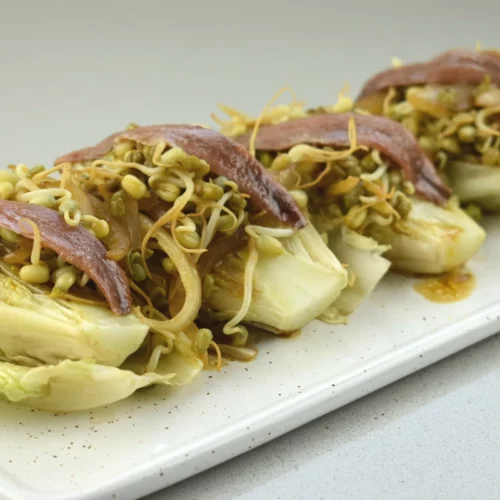
Grilled lettuce hearts and sprouts
Equipment
- frying pan
Ingredients
- 2 large lettuce hearts approx. 7 oz / 200g total
- ½ medium white onion approx. 4.5 oz / 125g, julienned
- 1 ½ tbsp butter approx. 20g
- ½ tsp extra virgin olive oil EVOO
- 1 cup sprouted mung beans approx. 100g
- 1 oz high-quality anchovies in olive oil approx. 25g or one per heart
For the Vinaigrette:
- 1 tbsp soy sauce or tamari
- 1 tbsp yellow mustard if using Dijon, reduce to ½ tbsp
- 2 tbsp fresh-squeezed orange juice
- 1 tbsp extra virgin olive oil EVOO
Instructions
- Prepare the Vinaigrette: In a small bowl, combine the soy sauce, mustard, orange juice, and olive oil. Whisk vigorously with a fork or a small whisk until the dressing is fully emulsified. Set aside.
- In a medium skillet, heat the half-teaspoon of olive oil over medium-low heat. Add the julienned onions and sauté until they are translucent and soft.
- Flash-Sauté the Sprouts: Once the onions are ready, add the sprouted mung beans to the skillet. (You can also use sprouted lentils if preferred). Sauté for exactly 1 minute.
- Add 2 tablespoons of your prepared vinaigrette to the skillet with the onions and sprouts. Sauté for one more minute to allow the flavors to meld, then remove from heat and set aside.
- Grill the Lettuce: In a separate griddle or skillet, melt the butter over medium-high heat. Place the halved lettuce hearts flat-side down. Sear for 2 minutes per side until lightly charred and softened.
- Arrange the grilled lettuce hearts on a serving platter. Season lightly if desired, though the soy sauce in the dressing usually provides enough salinity.
- Top each heart with the warm onion and sprout mixture. Drizzle the remaining vinaigrette over the top and place an anchovy on each heart.
- For added texture, sprinkle with toasted sesame seeds. Serve immediately while warm.
Notes
- This recipe is a nutritional powerhouse because it combines the Omega-3 fatty acids from the anchovies with the active enzymes of the sprouts.
- Remember that the mung bean sprouts are added at the very end to ensure they aren't overcooked, preserving the heat-sensitive vitamins and minerals that make sprouted foods so beneficial for your health.