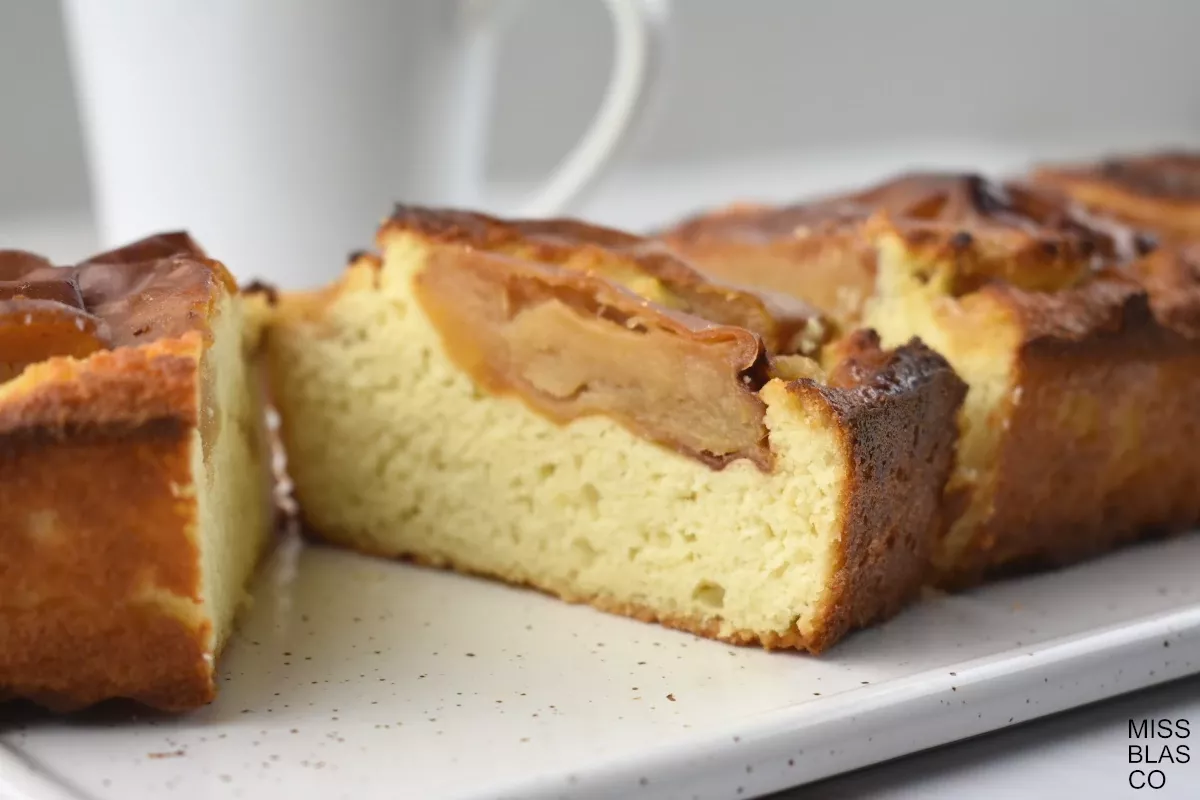
Sugar-Free Yogurt Sponge Cake
Health Meets Flavor
If you have always enjoyed baking at home but find yourself hesitating lately to avoid the excess of refined wheat flour and processed sugars, this recipe is designed for you. Many people believe that creating a healthy cake that actually tastes good is an impossible task. The idea of bypassing traditional flour and white sugar might seem like a culinary sacrilege, leading many to assume the final result will be dry or flavorless.
I can assure you that the reality is quite the opposite. You can craft numerous delicious preparations by swapping traditional ingredients for nutrient-dense alternatives. By utilizing flours derived from nuts, incorporating healthy starches from roots, and leveraging the natural sweetness of fruits, you can achieve a texture and flavor profile that rivals any traditional sponge cake.
Beyond Sugar: Natural Ways to Sweeten Your Dough
Sweetness does not have to come from a paper bag of white crystals. When we move beyond sucrose, a world of healthier alternatives opens up.
Fresh and Dried Fruits
The most ancestral way to sweeten is through whole foods. Fresh fruits like apples or bananas, and dried options like dates or raisins, provide not only sweetness but also fiber, vitamins, and minerals. This fiber is crucial as it slows down the absorption of sugars, preventing sharp insulin spikes.
Steviol Glycosides
Stevia is a popular choice, specifically steviol glycosides. It does not affect blood glucose levels, making it a safe harbor for those monitoring their metabolic health. However, it does possess a distinct aftertaste that some find metallic, so it is often best used in combination with other ingredients.
Polyols and Erythritol
Another effective route is the use of polyols. Erythritol is my personal preference for baking because it provides zero calories and has a negligible impact on blood sugar. While it is generally safe in small quantities, it is important to note that polyols are not suitable for everyone. In some individuals, they can cause gas or digestive discomfort, particularly for those managing Irritable Bowel Disease (IBD), Crohn’s disease, or ulcerative colitis.
Natural sweeteners like fruit and erythritol allow you to enjoy desserts without the metabolic stress caused by refined sugar.
Why We Should Limit Refined Cereal Flours
You might wonder why there is such a strong push to move away from refined wheat. In my clinical experience and nutritional advocacy, I reject the overconsumption of these products for several physiological reasons:
- Digestive Discomfort: Refined grains often lead to bloating and a sensation of “heavy” digestion.
- High Glycemic Index: They cause rapid spikes in blood glucose, followed by an energy crash that leaves you hungry shortly after eating.
- Nutritional Poverty: The refining process removes the bran and germ, leaving behind a product that is high in calories but strikingly low in essential nutrients.
By choosing alternatives like ground nuts or coconut flour, we transform a simple treat into a functional food.
The Art of Grain-Free Baking
If you are new to grain-free baking, you might ask how a dough stays together without wheat. The secret lies in the synergy of alternative ingredients.
I typically use ground almonds as my base, often complemented by a smaller ratio of coconut flour. To achieve the elasticity that gluten usually provides, ingredients like psyllium husk or starches such as cassava (yuca) and tapioca are excellent allies. While I rarely use cornstarch, it remains a viable gluten-free option for those just starting out.
Tailoring Recipes to Your Needs
Health is not a one-size-fits-all journey. Depending on your dietary requirements, you can adapt these principles:
- Nut Allergies: If you cannot consume nuts, a low-carb cake can be made using a base of eggs and a dairy component like cottage cheese or Greek yogurt.
- Dairy-Free: You can easily swap dairy for homemade apple compote or high-quality vegetable drinks to maintain moisture.
- Vegan/Egg-Free: Flaxseeds or chia “eggs” work beautifully in recipes like sugar-free carrot cake.
- Savory Preferences: For those without a sweet tooth, ingredients like pumpkin and spices can create a wonderful savory loaf.
Grain-free doughs are more nutrient-dense and satiating, meaning a smaller portion provides greater satisfaction and long-lasting energy.
Are All Cereals Bad?
It is important to clarify that cereals are not inherently “bad.” The issue lies in the quality and the quantity. Whole grains—such as oats, buckwheat, spelt, rye, or kamut—offer significant benefits. They are rich in B vitamins, minerals, and soluble fiber.
For athletes or individuals with high energy expenditure, these high-quality cereals are ideal. Their fiber content ensures that carbohydrates are metabolized slowly, providing a steady stream of fuel rather than a sudden burst. However, for a sedentary afternoon snack or a light breakfast, a grain-free yogurt cake is often the superior choice for digestive ease.
The Recipe: Almond and Yogurt Sponge Cake
This specific cake is a powerhouse of nutrition. Because it is based on almonds, it is incredibly filling. For children, a single slice for breakfast is often enough to keep them satisfied until lunch, avoiding the mid-morning “sugar crash” common with processed cereals.
Creative Toppings
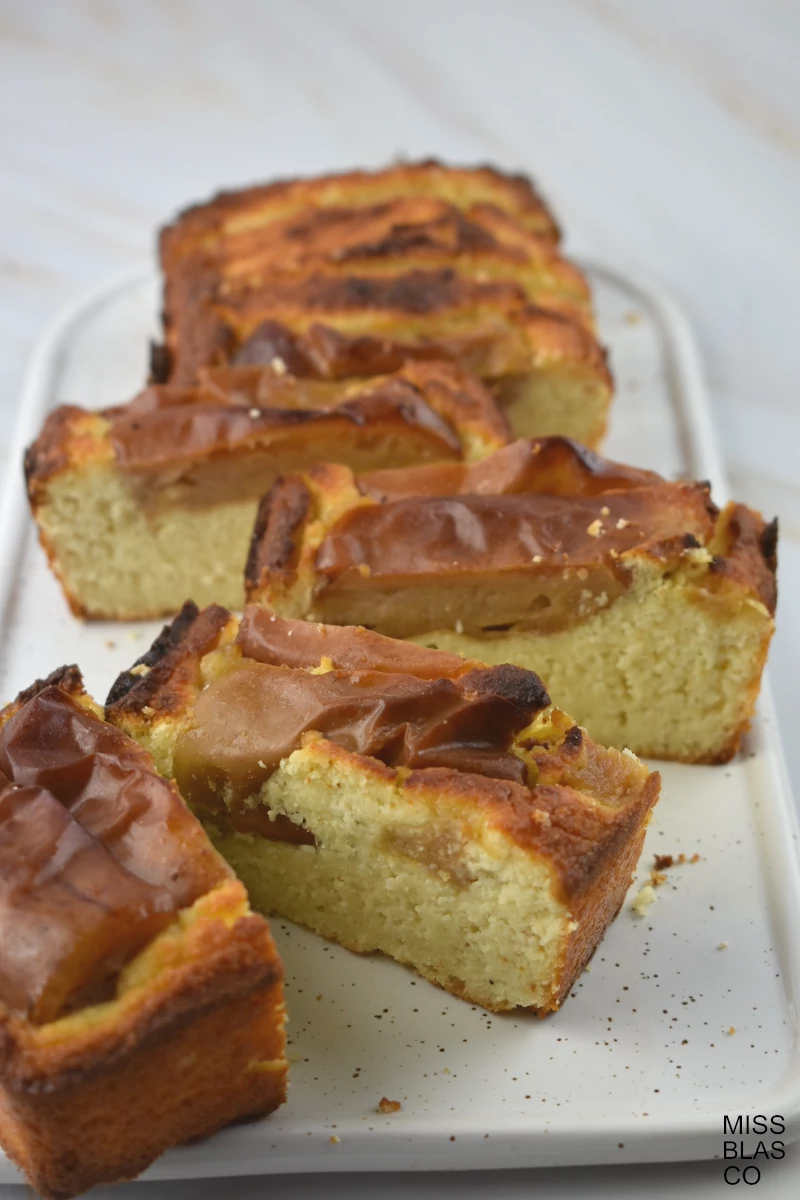
In this version, I love using baked apple slices on the surface. As they bake into the dough, they release juices that add incredible moisture and a natural, caramel-like sweetness. If you have picky eaters at home, you can easily leave one section of the cake plain to suit different preferences.
How to Enjoy It
A slice of this cake is the perfect companion for your morning coffee or favorite herbal infusion. Because the texture is denser and richer than a standard cake, I encourage you to eat it slowly. Savor the almond notes and the creaminess of the yogurt.
Replacing refined flour with ground nuts turns a simple dessert into a balanced meal rich in healthy fats and protein.
Transitioning to a healthier lifestyle does not mean saying goodbye to the joy of baking. It simply means choosing better building blocks. This sugar-free yogurt cake is a testament to the fact that we can nourish our bodies while still indulging our senses.
If you are ready to leave behind the refined flours and inflammatory sugars, give this recipe a try. You will find the detailed instructions and the promotional video below to guide you through every step of the process.
Watch the video
Discover more low carb cakes:
Sugar-Free Yogurt Sponge Cake
Equipment
- Convection oven
Ingredients
- 1 cup fine almond flour
- 3 tbsp coconut flour
- 1 tsp baking powder
- 2 tbsp erythritol or your preferred stevia blend
- 2 large eggs
- 4.5 oz Greek yogurt standard individual container
- 1/2 cup milk or unsweetened plant-based milk
- 1 tbsp melted butter or coconut oil
- 1/4 tsp vanilla extract optional
- 1 apple for the topping
- Ground cinnamon
- Orange and lemon zest
- A splash of water
Instructions
- Pre-roast your apple slices until tender. You can do this in a pan with a splash of water and a sprinkle of cinnamon until they soften, or bake them briefly beforehand.
- In a large mixing bowl, whisk together the almond flour, coconut flour, baking powder, and erythritol. Ensure there are no large clumps of almond flour.
- In a separate bowl, beat the eggs. Add the Greek yogurt, milk, melted butter (ensure it is not hot so it doesn't cook the eggs), vanilla extract, and the citrus zests. Mix until smooth.
- Gently pour the wet mixture into the dry ingredients. Stir until fully incorporated. The batter will be denser than traditional wheat batter due to the absorbent nature of coconut flour.
- Preheat your oven to 400°F. Grease a rectangular loaf pan or line it with parchment paper. Pour the batter into the pan and arrange the roasted apple slices on top in a decorative pattern.
- Lower the oven temperature to 350°F and bake for approximately 40 minutes.
- The Toothpick Test: Insert a toothpick into the center; if it comes out clean, it’s done.
- Pro Tip: If the top is golden brown but the center is still wet, cover the pan with aluminum foil for the final 10 minutes to prevent burning.
- Remove from the oven and let it cool completely in the pan before slicing. Because this cake uses nut flours, it needs time to "set" its structure as it cools.
Ana
Por que se puedr sustituir la almendra molida,,? Gracias
missblasco
Hola, no sé si lo preguntas porque eres intolerante a los frutos secos, en ese caso usa harina de avena mezclada con un poco de almidón de yuca, pero lamentablemente no puedo darte medidas, este bizcocho está inspirado en el clásico hecho con harina de trigo. Ten en cuenta que cada harina se comporta diferente, puedes probar con harina de trigo sarraceno, mezclada con harina de coco, harinas de semillas, pero como te decía, no te puedo dar una receta. Saludos!