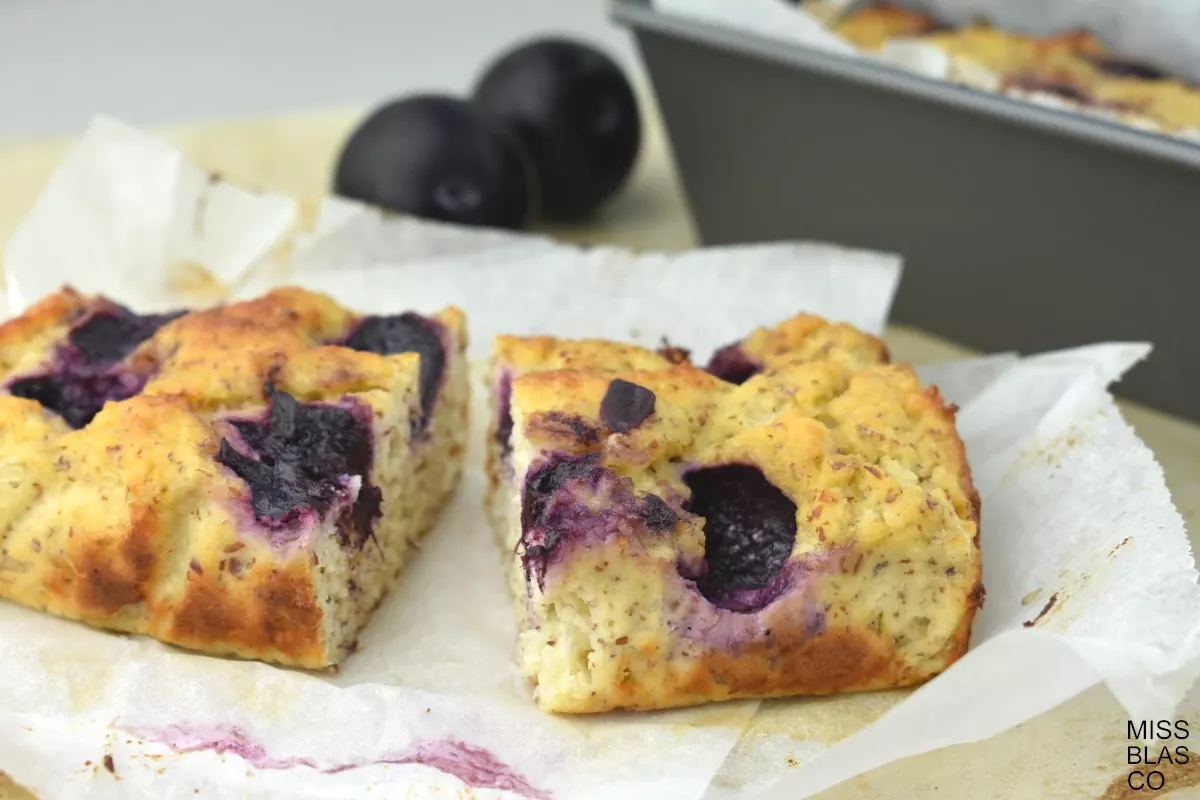
Sugar-Free Plum Cake
Sugar-Free Plum Cake
In the field of clinical nutrition, we often search for the “holy grail” of desserts: a dish that satisfies the psychological need for comfort while supporting metabolic health. Traditional baking often relies on refined flours and sucrose, leading to rapid blood sugar spikes and subsequent energy crashes.
My goal is to deconstruct these classics and rebuild them using functional ingredients that prioritize satiety and cellular health.
Today, we are exploring the Sugar-Free Cottage Cheese Plum Cake. This is a nutrient-dense, high-protein, and low-carbohydrate alternative to the traditional pound cake.
By utilizing ground almonds and cottage cheese, we create a moist, flavorful sponge that aligns perfectly with a Mediterranean or Low-Carb lifestyle.
Why Cottage Cheese and Almonds?
When we analyze a recipe through the lens of professional dietetics, we look for ingredients that offer high biological value. This plum cake stands out because of its unique protein-to-carb ratio.
1. Cottage Cheese: The Protein Powerhouse
Cottage cheese is a “wardrobe staple” in a healthy kitchen. It is exceptionally rich in casein protein, which is digested slowly, providing a steady release of amino acids into the bloodstream. In baking, cottage cheese replaces the bulk often provided by refined flour, contributing to a soft, fudge-like texture while significantly increasing the satiety index of the dessert.
2. Whole Ground Almonds vs. Blanched Almonds
For this specific recipe, I recommend using natural ground almonds (with the skin). You will notice small dark specks in the dough; these are fragments of the almond skin, which is a vital source of dietary fiber and polyphenols.
However, from a technical perspective, the skin of the almond is highly absorbent. Whole ground almonds will pull more moisture from the dough than blanched ones.
To prevent a dry cake, it is essential to monitor the “wetness” of your mixture. If the dough feels too dense, do not hesitate to add a splash more of your liquid base.
Replacing refined wheat flour with ground almonds and cottage cheese creates a high-protein sponge that supports muscle maintenance and metabolic stability.
Culinary Versatility: Adapting to Your Dietary Needs
One of the reasons I advocate for this recipe is its adaptability. As a professional clinical nutritionist, I understand that food sensitivities and preferences vary.
- Dairy-Free Options: If you do not have cottage cheese or prefer to avoid dairy, you can substitute it with Greek yogurt or even cream cheese for a richer finish. For a strictly plant-based (vegan) approach, almond milk or soy yogurt works beautifully.
- Flavor Profiles: To elevate the organoleptic properties without adding calories, use high-quality spices. Cinnamon and natural vanilla are non-negotiable in my kitchen; they provide a perceived sweetness that allows us to bypass the need for added sugars.
- Fruit Seasonality: While this post focuses on plums—which add a wonderful moisture and a tangy contrast—this dough is a universal canvas. Depending on the time of year, you can easily substitute plums with:
Summer: Peaches, nectarines, or strawberries.
Autumn: Sliced figs or pears.
Winter: Blueberries or even small chunks of sugar-free dark chocolate.
The Role of Fiber and Liquid Balance
The presence of fiber in the almond skin is a double-edged sword for the baker. On one hand, fiber is crucial for slowing down the absorption of glucose (preventing those unwanted “spikes”). On the other hand, it makes the dough more “thirsty.”
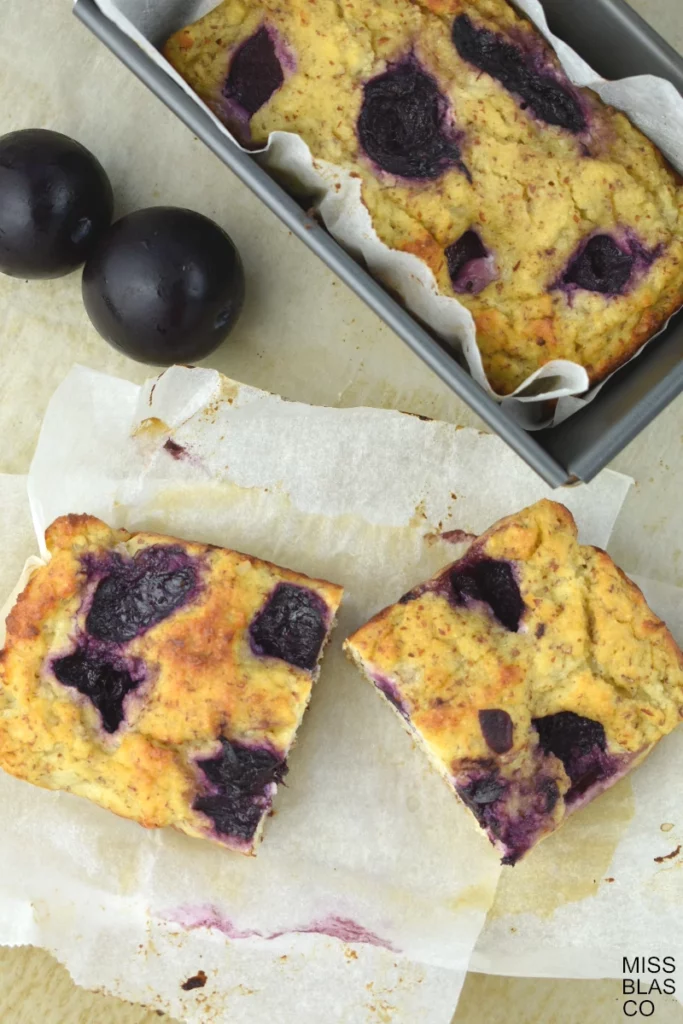
As you prepare the dough, observe the consistency. It should be thick enough to hold the fruit in place but moist enough to drop easily from a spoon. If the dough is too dense, the heat of the oven will cause it to become “bready” and dry. The addition of fresh plums is a strategic move here: as they bake, they release their juices directly into the sponge, creating pockets of intense flavor and moisture.
Utilizing whole ground almonds (with skin) introduces essential fiber and antioxidants, though it requires a higher ratio of liquid ingredients to maintain moisture.
Serving Suggestions: From Breakfast to Dessert
This plum cake is as functional as it is delicious.
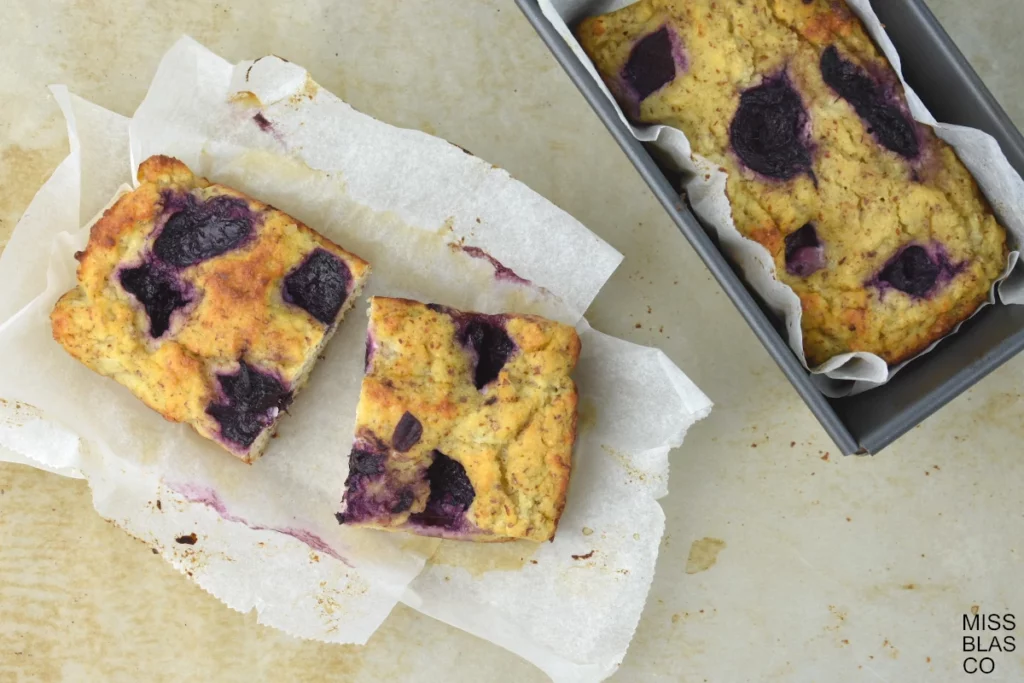
The “On-the-Go” Snack: Because it is high in protein and healthy fats, a slice of this cake makes an excellent mid-morning snack or a portable breakfast that will keep you full until lunch.
A Refined Dessert: If you wish to serve this as a formal dessert, I suggest adding a simple, homemade sauce. A base of Greek yogurt mixed with cinnamon or a drizzle of melted 85% dark chocolate can turn this simple cake into a gourmet experience.
Conclusion: Living in the Present with Healthy Baking
It is a common misconception that healthy versions of traditional cakes are “immitations” that lack soul. I believe the opposite is true. By using real, whole ingredients like whole almonds and fresh fruit, we are creating a dessert with added value. We are choosing ingredients that nourish the body rather than just filling the stomach.
I encourage you to try this simple and versatile dough. It is an easy way to incorporate seasonal fruit into your diet while maintaining your nutritional goals.
This versatile base dough allows for seasonal fruit rotation, ensuring a diverse intake of phytochemicals and vitamins throughout the year.
Mastering the balance of moisture and protein in baking is a game-changer for anyone on a health journey. Have you ever tried using cottage cheese in your cake doughs? I would love to hear about your favorite fruit combinations and how your plum cake turned out in the comments below.
Discover more delicious low carb cakes:
Sugar-Free Plum Cake
Equipment
- Convection oven
Ingredients
- 1 large egg
- 1/2 cup cottage cheese approx. 4.5 oz. For a dairy-free option, substitute with unsweetened soy or almond yogurt.
- 3 tbsp whole milk. For a dairy-free option use almond, hazelnut, walnut, or soy milk.
- 1/4 tsp pure vanilla extract
- 1/2 cup natural ground almonds almond meal with skin. Blanched almond flour also works, but the skin adds extra fiber.
- 2 tbsp coconut flour
- 1 tbsp erythritol we keep this low since the ripe plums add natural sweetness
- 1/2 tsp baking powder
- 4-5 ripe plums approx. 3.5 oz, pitted and sliced
Instructions
- Separate the Components: Start with two separate bowls, one for your wet ingredients and one for your dry ingredients.
- Wet Mix: In a medium bowl, whisk the egg. Add the vanilla extract, cottage cheese, and milk. If you prefer, you can dissolve the erythritol into this mixture to ensure it is evenly distributed.
- Dry Mix: In the second bowl, combine the ground almonds, coconut flour, and baking powder. Whisk well to remove any lumps.
- Combine: Fold the wet and dry mixtures together until you have a smooth, homogeneous batter.
- Prep the Mold: Line a small rectangular loaf pan (plum cake style) with parchment paper. I prefer using smaller molds as they make portion control much easier. Pour the batter into the pan.
- Settle the Batter: Tap the mold gently on the counter to allow the dough to settle and spread evenly.
- Add the Fruit: Wash and peel the plums (if they are very ripe, the skin should slip off easily). Slice them and remove the pits. Distribute the plum pieces throughout the dough, pressing them in slightly so there is fruit in every bite.
- Bake: In a preheated oven at 350°F (180°C), bake for 15–20 minutes. To check for doneness, insert a toothpick into the center; if it comes out clean, your cake is ready.
Notes
- Texture Check: This dough does not require extreme precision. Pay attention to the consistency: it should not be overly dense. If it looks too dry, add an extra splash of milk to ensure a moist result.
- Storage: Store the cake in the refrigerator. It keeps perfectly for up to one week, allowing you to enjoy it at your own pace.
- Serving Suggestion: I love serving a small slice for dessert topped with a dollop of Greek yogurt, which acts as a fresh, creamy sauce.
- Vegan Variation: To make this entirely vegan, substitute the egg with a flax egg, the milk with a plant-based drink, and the cottage cheese with a high-quality vegan yogurt (soy or almond). I recommend serving the vegan version with soy yogurt and a generous dusting of cinnamon.
ALMOND, CAKES, GLUTEN FREE, LOW CARB, SPONGE CAKE, SUGAR FREE
Noelia
Hola bon dia! Ahir vaig fer esta recepta per a poder desdejunar hui, i estic menjant me’l en el iogurt de coco alpro i queda tan bo! He de dir que les prunes no estaven molt mauretes pero han qiedat en una textura molt bona. (Abans de lletgirte no em pensava que certes fruites al forn podien quedar tan be). Jo he fet la opccio sense lacteos. Crec que he posat massa ametlla perque no pareix un bescuit pareix mes un crumble!ja ho has dit que l’ametlla consumix molt liquit. Esta bonissima i aqui estic disfrutant. Fins la proxima! Besetes fortes
missblasco
Bon dia Noelia!
M’alegre de que t’haja agradat, es cert el que dius, hi ha frutes que després de passar pel forn estàn increïbles, passa amb esta recepta, i també amb les frese, els arándanos, la poma, etc.
L’ametlla necessita molt de liquid, sí, més que la farina de blat, lo bo és que et mantindrà sense fam molt més temps!
Espere que tingues un bon dia! Bessets! 😉
Myrna Arámbula
Hola!
¿Qué puedo usar si no tengo levadura química?
Gracias
missblasco
Hola, la levadura química (en España conocida como Royal), se puede sustituir por bicarbonato o por las clásicas “gaseosas”. Saludos! 😉
Myrna Garcia
Hola! ¿Qué puedo usar si no tengo levadura química? Gracias!Y
missblasco
Bicarbonato sódico o nada, realmente la almendra molida no sube como lo hacen las harinas de cereales que tienen gluten. Saludos! 😉
ANNA
Hola. ¿Puedo utilizar levadura seca en vez de levadura química? Si la respuesta es sí, ¿cuánta levadura seca le pondría y cuánto tiempo tendría que reposar? Gracias
missblasco
Hola, en este tipo de preparaciones usar levadura seca de panadería no tendría ningún sentido, si no dispones de levadura química (Royal), puedes usar bicarbonato sódico o directamente no añadir nada. Ten en cuenta que la almendra molida y las harinas de frutos secos y coco no tienen gluten y por eso no suben como las harinas de cereales que sí lo tienen. Así que no te preocupes por este ingrediente, no es necesario en esta receta. Saludos! 😉