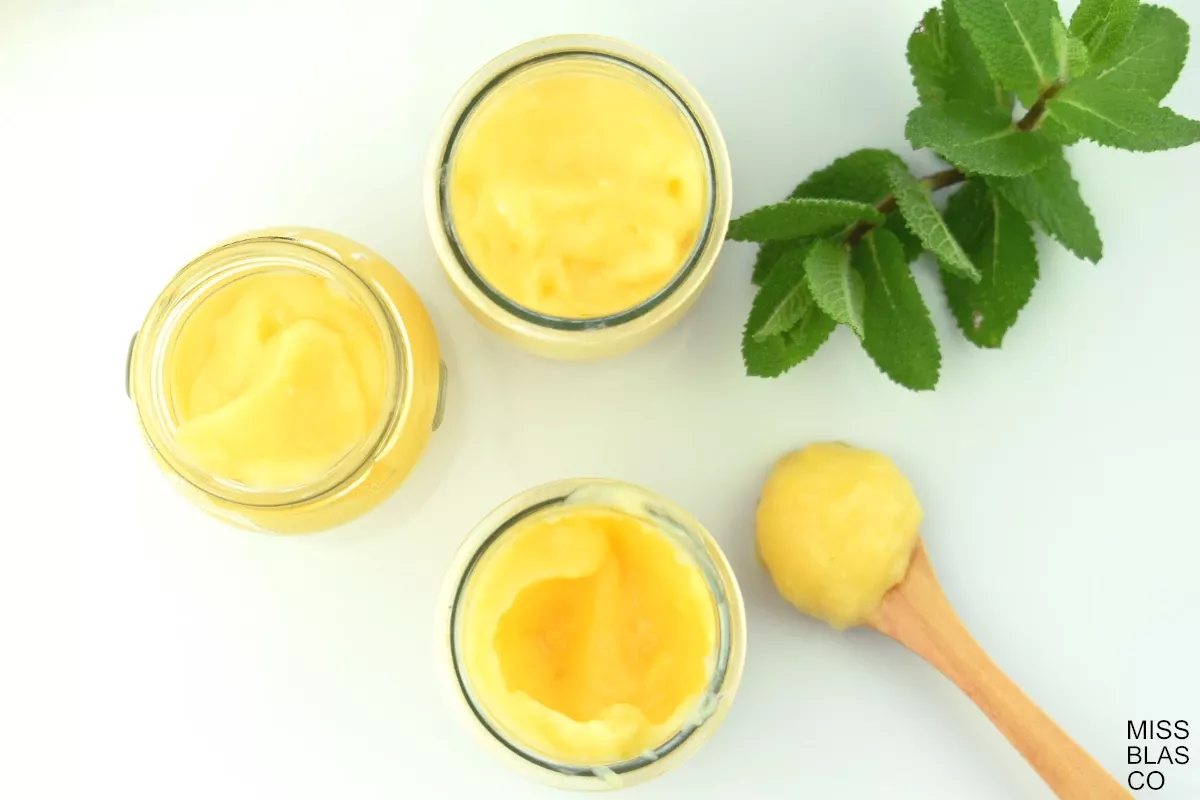
Sugar-Free Lemon Curd
Sugar-Free Lemon Curd
As a clinical dietitian I notice the struggle to balance a love for traditional patisserie with the physiological need to manage blood glucose. One of the most beloved staples in the world of desserts is the English lemon cream. It is better known as Lemon Curd.
In its traditional form, lemon curd is a nutritional paradox. It relies on the acidic intensity of lemons. But because that acidity is so sharp, recipes often call for staggering amounts of refined sugar to reach palatability. Today, I am sharing a professional-grade, Sugar-Free Lemon Curd that honors the silky, decadent texture of the original. In addition, it utilizes clinical insights to make it safe for diabetics, celiacs, and health-conscious gourmets alike.
The Sweetener Strategy
In this recipe, the heavy lifting of sweetening is done by erythritol. In clinical practice, not all sweeteners are created equal. Erythritol is a polyol (sugar alcohol) that offers several distinct metabolic advantages:
- Glycemic Neutrality: Erythritol is absorbed in the small intestine but is not metabolized by the body. This means it has a glycemic index of zero, making it an exceptional choice for patients with Type 1 or Type 2 diabetes.
- Digestive Tolerance: Unlike other sugar alcohols (such as sorbitol or xylitol), erythritol is less likely to cause osmotic diarrhea or bloating because 90% of it is excreted in the urine before reaching the colon.
- No Bitter Aftertaste: It provides about 70% of the sweetness of table sugar without the metallic or bitter “hiss” associated with stevia or saccharin.
A Note on the “Sweetness Threshold”: As a nutritionist, I must emphasize that even healthy sweeteners should be used in moderation. Our goal is to lower our sensory threshold for sweetness. By moving away from hyper-palatable, sugar-laden desserts, we retrain our palates to enjoy the natural, nuanced flavors of the food. In this case, we focus on the vibrant zest of the lemon.
More options: Use monkfruit.
Eggs
In this lemon curd, the eggs provide the structure and the “silky” mouthfeel that makes this cream so addictive. By combining the lecithin in the egg yolks with the vitamin C-rich lemon juice, we create a nutrient-dense emulsion. This emulsion nourishes while it satisfies.
This versatile sugar-free lemon curd is the perfect companion for your morning Greek yogurt or as a vibrant, tangy filling for your favorite healthy homemade muffins.
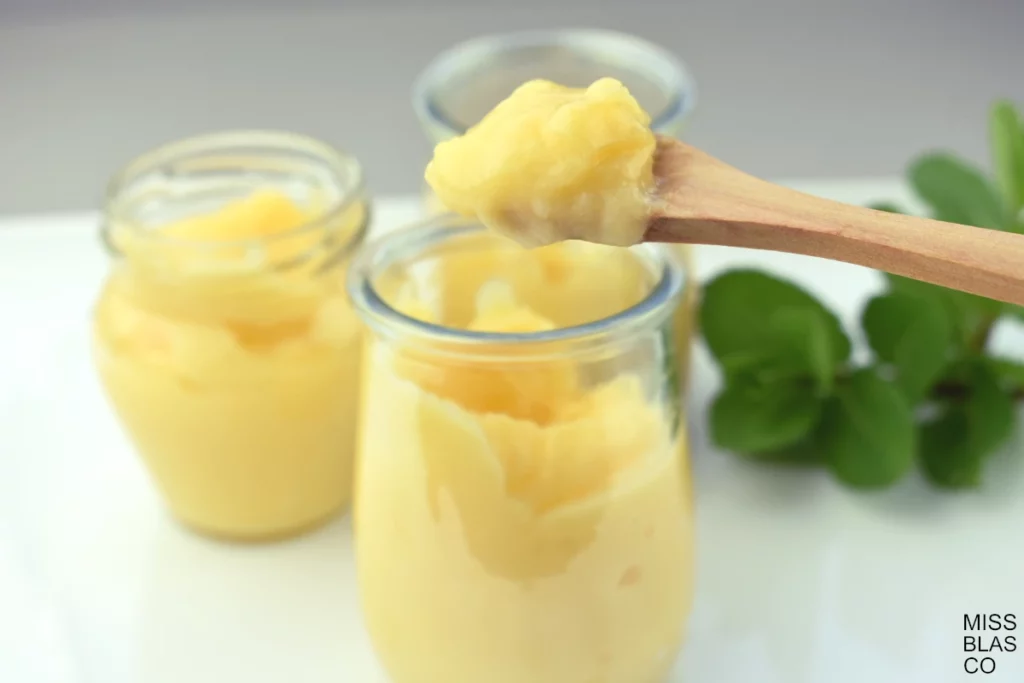
Achieving the Perfect Texture
Traditional lemon curd often relies solely on the coagulation of egg yolks. However, for a more stable “pastry cream” consistency that can withstand being used in tarts, a thickener is often required.
To keep this recipe gluten-free and easy on the gut, I utilize a combination of tapioca starch and a touch of agar-agar.
- Tapioca Starch: Provides a glossy, smooth finish without the “floury” taste of cornstarch or wheat.
- Agar-Agar: A plant-based gelatin derived from algae that helps the curd set firmly, which is particularly useful if you intend to slice a lemon tart.
By opting for these ingredients and replacing sugar with erythritol, we drastically reduce the glycemic load of the dessert. This prevents the inflammatory insulin spikes that typically follow a traditional dessert, making this curd a “functional food” that feels much better in the body.
Beyond the Tart
While this cream is the star of the classic Lemon Pie, its clinical versatility is where it truly shines. If you are looking for a lighter, more modern presentation, consider these options:
- The Deconstructed Lemon Glass: Instead of a heavy shortcrust pastry, place a base of nut-based crumble (using almond flour and seeds) in a small glass, add a generous layer of lemon curd, and top with a light, sugar-free meringue.
- The Antioxidant Pairing: Serve the curd as a dip for fresh red fruits. The acidity of the lemon combines perfectly with the anthocyanins in blueberries and raspberries, creating a dessert that is high in fiber and minerals like potassium and magnesium.
- The Breakfast Boost: A spoonful of this curd stirred into plain Greek yogurt transforms a simple breakfast into a gourmet, high-protein start to the day.
Whether you enjoy it by the spoonful or use it to brighten up a bowl of fresh berries, this light and silky cream offers all the classic flavor of lemon pie without the sugar crash.
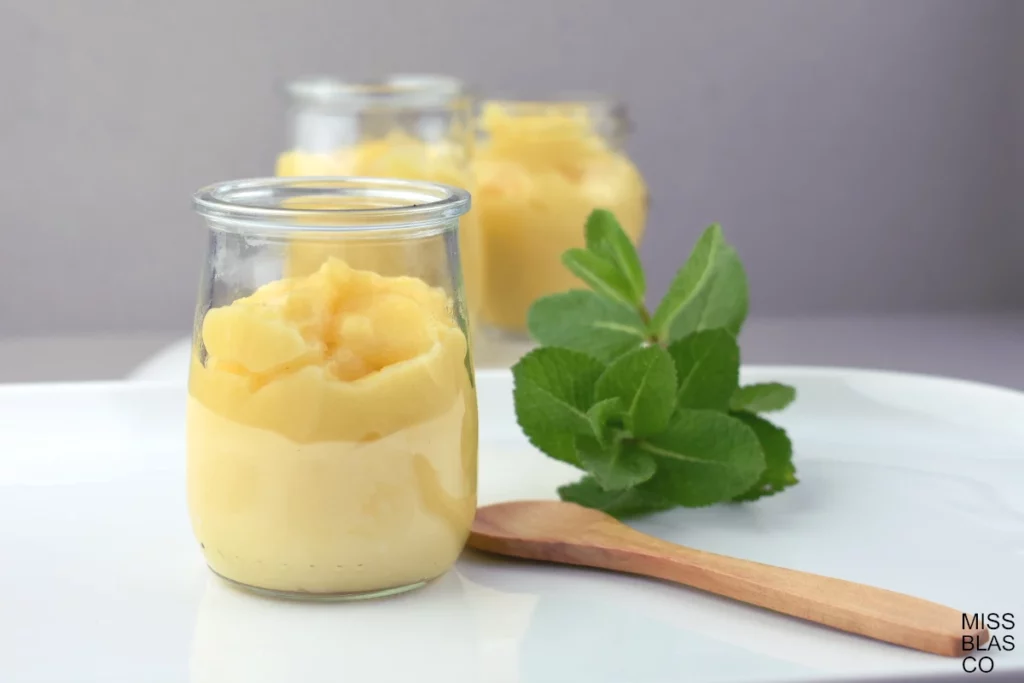
Preservation and Preparation
One of the logistical benefits of this recipe is its stability. Due to the natural preservative qualities of lemon acidity and the stability of erythritol, this curd keeps beautifully in the refrigerator for up to a week.
It can even be frozen without losing its organoleptic properties. Furthermore, its flavor, vibrant color, and texture will remain intact upon thawing.
I can’t wait for you to experience the incredible flavor and silky satiety of this recipe. Once you give it a try, please come back and share your experience in the comments.
Discover more delicious desserts:
- Sugar-free Meringue Clouds.
- Sugar-Free Strawberry Crumble.
- Low Carb cottage cheese cheesecake.
- 3 Ingredient Lemon Sorbet
Sugar-Free Lemon Curd
Equipment
- Regular pot
- whisk
Ingredients
- 2 large eggs approx. 4.2 oz / 120g
- ½ cup fresh-squeezed lemon juice approx. 100ml / 3.4 fl oz
- 2 tbsp erythritol Adjust to taste; see notes below
- ½ tbsp tapioca starch Cornstarch may be used as a substitute
- ½ tsp agar-agar powder or Unflavored gelatin (check the package for gluten-free)
- Zest of 1 lemon Avoid the white pith to prevent bitterness
Instructions
- Initial Mixing: Combine all ingredients in a small saucepan. Before turning on the heat, whisk everything together vigorously until the starch is fully dissolved and the mixture is uniform.
- Cooking: Turn the heat to medium-low. Cook the mixture for approximately 4 to 5 minutes until it thickens. Crucial Tip: You must whisk constantly to prevent the eggs from curdling or the mixture from sticking to the bottom. Keep the heat gentle; do not let it boil.
- Cooling: Once the curd has reached a thick, pudding-like consistency, transfer it to a glass jar or bowl. Allow it to cool at room temperature before refrigerating.
- Serving: Enjoy it as is, paired with fresh blueberries, or use it as a premium filling for a healthy lemon tart.
Notes
- Scaling the Recipe: If you want to make a larger batch, the basic ratio is 1 egg to ¼ cup (50ml) of lemon juice and 1 tbsp of erythritol. However, the thickeners (tapioca and agar-agar) do not need to be doubled immediately. For example, you can use 3 eggs, ¾ cup of juice, and 3 tbsp of erythritol while keeping the same amount of tapioca and agar-agar, and it will still set perfectly.
- Adjusting Sweetness: This recipe leans toward a sharp, acidic profile. If you prefer a sweeter curd, increase the erythritol or use an erythritol-stevia blend, which has a higher sweetening power (check your package for conversion rates).
- Storage and Freezing: This lemon curd is exceptionally stable. You can freeze it without losing its organoleptic properties (color, flavor, and texture). This is a great way to ensure you always have a healthy dessert component ready for last-minute preparations.
6 INGREDIENT, BASICS, DESSERT, EASY, FLOURLESS, GLUTEN FREE, LEMON, SUGAR FREE
Angelica
Cuánto tiempo dura después de hecha la lemon crud, la pregunta es porque estoy haciendo un emprendimiento y me gustaría esta receta con mis yogures que estoy haciendo de cabra tipo griego
missblasco
Hola Angélica, la lemond curd lleva huevo, bien refrigerada y guardada en un recipiente de vidrio cerrado, se mantiene en buenas condiciones hasta una semana, pero no te aconsejo que la guardes más, de hecho, si se consume antes mejor. Saludos y suerte con tu emprendimiento!
Aylen
Ame esta receta no solo por la crema de limom y todo lo que vi. Sino por que tambien tiene información nutricional. Y es genial. Tengo un emprendimiento dd alimentos dulces aptos diabeticos y esto me sirve muchisimo para que la gente sepa que esta consumiendo. Gracias me hice fan de esta pagina
missblasco
Gracias Aylen, me alegra mucho que te guste, esta crema de limón es una delicia, y como dices, la información nutricional es fundamental. Saludos y gracias por comentar. 😉
Marga
Un trabajo excelente. Gracias!
missblasco
Muchas gracias por tu comentario Marga, un abrazo! 😉
Edy
Me encantó la receta pero vivo en el campo y es difícil conseguir Agar agar, puedo suplantarlo por otra cosa? Mil gracias por esto y por tener en cuenta a quienes no podemos consumir azúcar.
missblasco
Hola Edy, el agar agar en esta receta lo uso para dar espesor y consistencia, solo con el huevo puede ser suficiente, pero si quieres también puedes añadir un par de hojas de gelatina previamente remojadas, debes añadirlas bien escurridas cuando la mezcla esté templada, y batir con las varillas para asegurarte de que se integran completamente.
Saludos y muchas gracias por tu comentario! 😉
Gino
Puedo sustituir el agar agar, por la pectina que botan las semillas de limón luego de ponerlas en agua hervida?
missblasco
Hola Gino, yo diría que sí, pero nunca lo he probado. La cuestión es no añadir demasiada agua. Esta crema de limón espesa gracias a las yemas de huevo (yo pongo los huevos enteros, pero se pueden usar solo las yemas), y al almidón de tapioca (se puede usar también almidón de maíz). El agar agar lo pongo como una ayuda para que la crema quede más firme, pero siga siendo crema, no queremos una gelatina, por eso puede que con la pectina de las semillas de limón quede bien, pero ya te digo, no lo puedo asegurar. Saludos y gracias!
Gino
Gracias, seré cauto.
missblasco
Gracias a ti por el comentario y la valoración. 😉