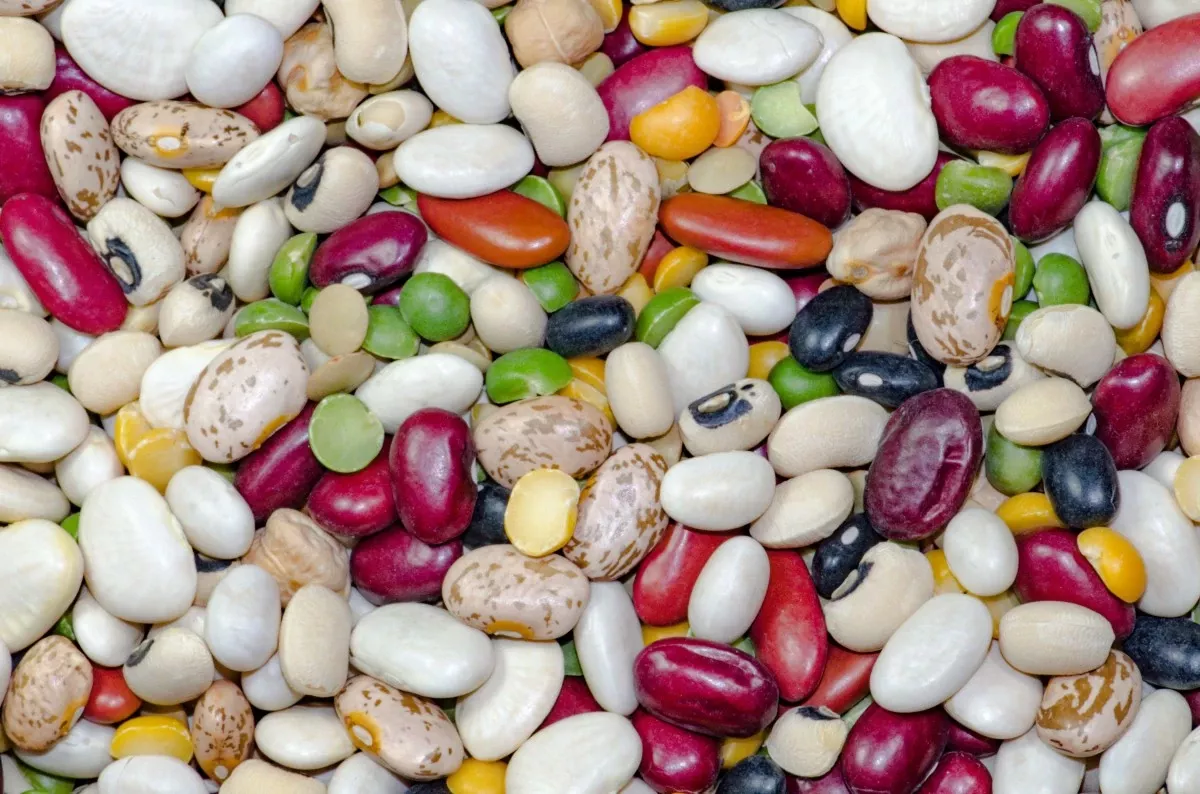
Legumes and Antinutrients
The Science of Legumes and Antinutrients
The plant-based foods such as legumes, whole grains, nuts, and seeds are celebrated for their dense profiles of fiber, vitamins, and minerals. However, these foods also contain a fascinating group of compounds known as antinutrients. To optimize dietary intake and support patient wellness, it is essential to understand what these compounds are, how they function, and how traditional culinary practices effectively neutralize them.
What Exactly Are Antinutrients?
Antinutrients are naturally occurring or synthetic compounds that interfere with the absorption of essential vitamins and minerals in the human digestive tract. From an evolutionary perspective, these substances are not flaws; they are sophisticated defense mechanisms designed for the survival of the plant species.
Because plants cannot flee from predators, they utilize chemical defense systems. When a wild animal consumes raw seeds, the presence of these antinutrients renders the seed indigestible. The seed passes through the animal’s digestive tract completely intact and is excreted back into the soil, allowing the plant to germinate and propagate.
While these compounds serve the plant well, they present a distinct challenge for human digestion. Legumes, cereals, pseudocereals, nuts, and seeds all contain varying types and quantities of antinutrients. Recognizing which foods contain them is the first step toward minimizing their adverse effects while maximizing their nutritional value.
Antinutrients are natural plant defense mechanisms that bind to essential minerals, but they can be easily neutralized using traditional kitchen preparation methods.
Common Foods Containing Antinutrients
These compounds are prevalent across several foundational food groups:
- Legumes: Lentils, chickpeas, black beans, kidney beans, and broad beans.
- Nuts: Almonds, walnuts, cashews, and peanuts.
- Cereals and Pseudocereals: Brown rice, whole oats, and quinoa.
- Seeds: Flaxseeds, chia seeds, and sesame seeds.
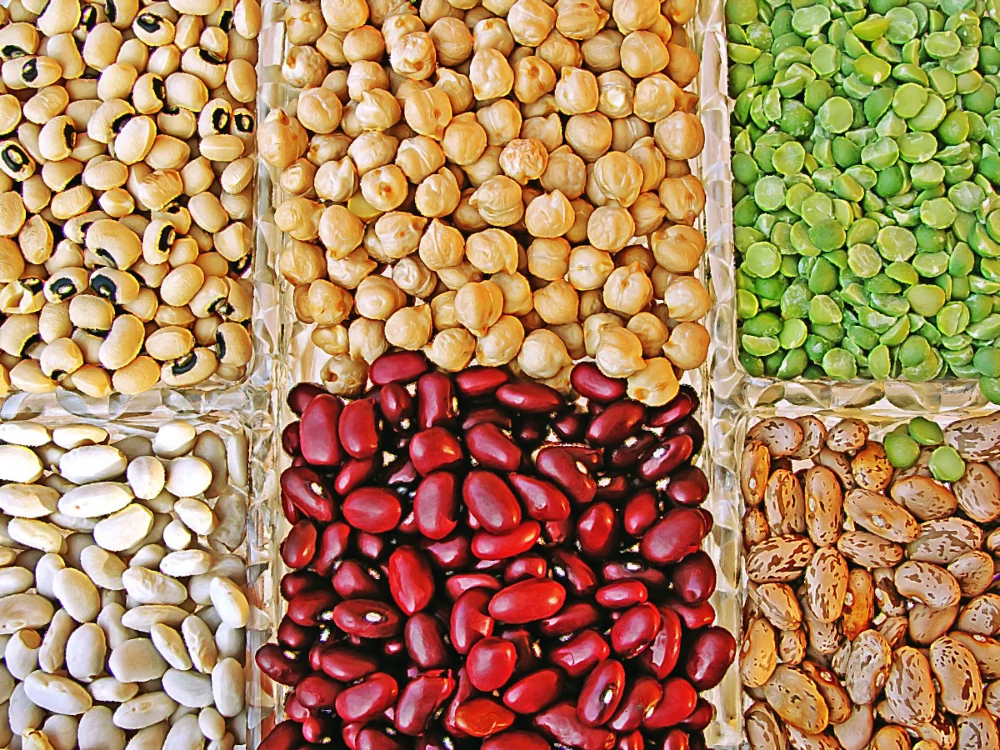
Deconstructing the Main Antinutrients
1. Phytic Acid (Phytates)
Phytic acid is perhaps the most well-known antinutrient, heavily concentrated in the outer hulls of nuts, seeds, grains, and legumes.
- Phytic acid acts as a chelating agent. It binds to vital minerals in the intestine, specifically iron, zinc, magnesium, and calcium, forming insoluble complexes that the human body cannot absorb. In developing nations where diets rely almost exclusively on a single unrefined grain or legume staple, this can lead to severe mineral deficiencies and public health crises. However, in modern societies with access to a diverse, varied diet, these potential deficiencies are typically well compensated.
- The benefit: modern research reveals that phytic acid is not entirely detrimental. It functions as a powerful antioxidant, helps prevent osteoporosis, aids in managing blood cholesterol levels, and is currently being studied for its potential role in colorectal cancer prevention.
- How to deactivate it: phytic acid is highly resilient and cannot be inactivated by heat alone. To significantly reduce its presence, soaking legumes and grains for at least 12 hours before cooking is necessary, as this process eliminates roughly 60% of the phytate content.
2. Cyanogenic Glycosides
These compounds are secreted by certain plant families, particularly fabaceous (legume) species, as well as members of the Rosaceae and Linaceae families.
- When the plant tissue is damaged or chewed, an internal plant enzyme degrades these glycosides, releasing hydrocyanic acid (HCN). HCN decomposes into cyanide, a potent inhibitor of the cellular respiratory chain. Consuming 100 grams of certain raw seeds containing high levels of cyanogenic glycosides can be highly toxic, particularly for vulnerable populations like children and the elderly.
- How to deactivate it: Fortunately, these compounds are volatile and water-soluble. Thorough cooking and boiling completely destroy the enzymes and dissipate the toxic gases, making the food entirely safe for consumption.
While phytic acid and tannins lower mineral absorption, they also provide significant antioxidant, anti-inflammatory, and cardiovascular benefits.
3. Saponins
If you have ever rinsed quinoa or boiled chickpeas and noticed a soapy foam rising to the top of the water, you have witnessed saponins in action.
- Saponins are chemical glycosides that can cause hemolysis (the destruction of red blood cells) when injected into the bloodstream, though their oral toxicity in mammals is considered low. From a dietary perspective, studies indicate that a high concentration of saponins decreases iron absorption and can alter lipid metabolism in the liver and blood. There is also ongoing discussion regarding their potential to irritate the intestinal lining and promote low-grade inflammation.
- The benefit: Saponins are present in nutrient-rich staples like quinoa and soybeans. They are easily managed by thoroughly washing and soaking the food until the water runs clear.
- Interesting fact: White potatoes also contain saponins, primarily concentrated in the skin and any green patches caused by sunlight exposure. It is prudent to cut away green sections and peel potatoes before cooking. Conversely, sweet potatoes are naturally free of saponins.
4. Tannins
Tannins belong to the polyphenol family and are responsible for the astringent, dry, and slightly bitter mouthfeel found in unripe fruits, pomegranates, persimmons, grapes, wine, coffee, tea, and dark chocolate.
- Tannins bind readily to proteins and complex macromolecules like starch, reducing the overall nutritional value of the meal. They can inhibit the absorption of non-heme iron, vitamin B12, and glucose, and in excessive quantities, they may irritate the intestinal mucosa.
- The benefit: As polyphenols, tannins offer exceptional health benefits, including antioxidant, astringent, and anti-inflammatory properties. They also inhibit the absorption of LDL cholesterol, supporting cardiovascular health. In nature, they protect fruits like strawberries, blueberries, and blackberries from fungal infections.
5. Oxalates and Goitrogens
- Oxalates are highly prevalent in wheat germ, nuts, and leafy greens like spinach. They bind strongly to calcium, preventing its absorption and potentially contributing to kidney stone formation in susceptible individuals.
- Goitrogens, found in cruciferous vegetables such as cabbage, cauliflower, broccoli, and turnips, interfere with iodine uptake in the thyroid gland. A diet extremely high in raw cruciferous vegetables combined with a low iodine intake can potentially lead to hypothyroidism or goiter.
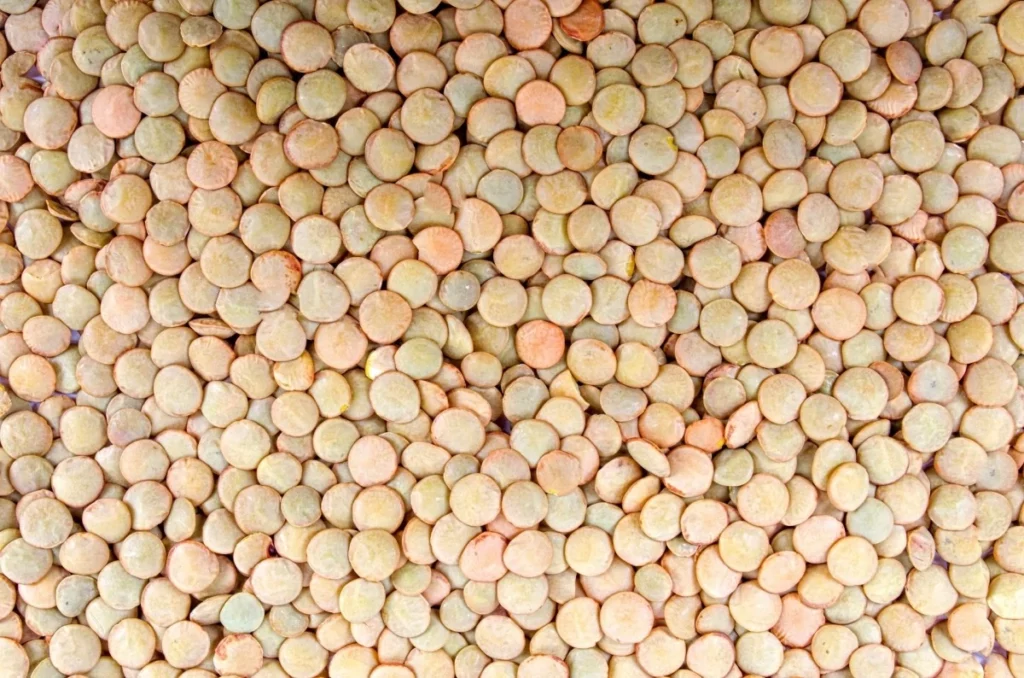
A diverse, balanced diet paired with proper soaking and cooking techniques completely mitigates the risks associated with plant antinutrients.
Simple Kitchen Techniques to Eliminate Antinutrients
Reducing the impact of these compounds does not require complex lab equipment. Traditional culinary practices passed down through generations are scientifically proven to optimize bioavailability:
- Soaking: Submerging legumes, nuts, and seeds in water for 8 to 12 hours activates internal enzymes (like phytase) that break down phytic acid. Always discard the soaking water and rinse thoroughly before cooking.
- Cooking: Applying heat effectively neutralizes cyanogenic glycosides, tannins, oxalates, and goitrogens. Boiling cruciferous vegetables or spinach substantially lowers their antinutrient load.
- Germination (sprouting) and fermentation: Allowing seeds or grains to sprout, or subjecting them to natural fermentation (as seen in sourdough or tempeh), significantly degrades phytates and enhances the bioavailability of zinc, iron, and protein.
More interesting posts:
ANTINUTRIENTS, BEANS, BLOG, CHICKPEAS, GUT HEALTH, HEALTH, LEGUMS, LENTILS, NUTRITION