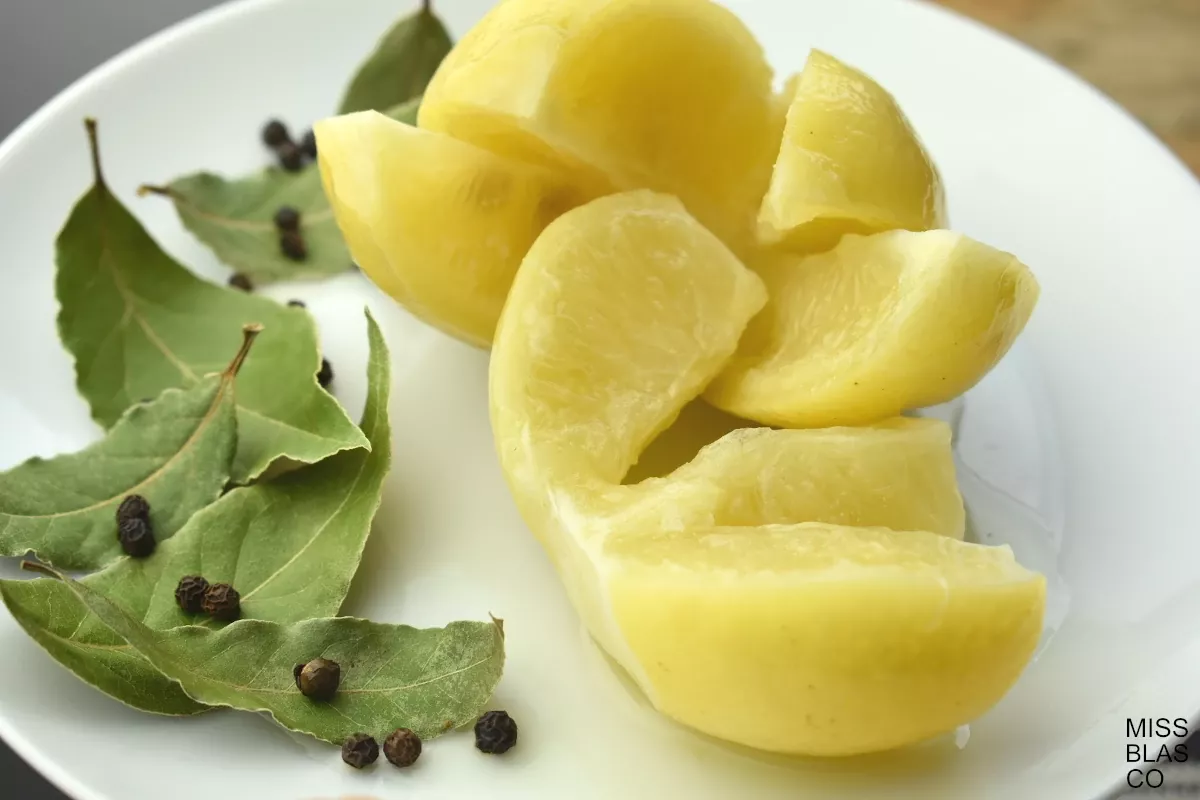
How to Ferment Lemons
When you first hear about fermenting lemons, you might be skeptical. You might wonder: “What is the point of fermenting a lemon? Its natural aroma, sharp flavor, and acidity are already perfect.”
I understand that skepticism. However, as a clinical nutritionist, my answer is simple: by fermenting lemons, you aren’t just changing their flavor, you are creating a living food that enriches your diet and your intestinal microbiota.
Fermented lemons (often known as preserved lemons) are a staple of Moroccan culinary tradition. Once you discover their softened texture and the nutritional punch they provide, you will find it impossible to stop preparing them.
Fermented lemons are more than a condiment, they are a nutritional investment that adds depth of flavor and live probiotics to every meal.
The Transformation: Texture, Flavor, and Nutrition
While fresh lemon is refreshing and pungent, fermentation creates a completely different experience.
1. The “Candied” Texture
After 3 or 4 weeks of fermentation, the alchemy of lactic acid bacteria transforms the fruit. The flesh becomes tender, soft, and velvety. It gives the surprising impression of having been candied, but without a single gram of added sugar.
2. Attenuated Acidity
The sharp, pungent acidity of a fresh lemon softens into a complex, savory tang. It retains the soul of the lemon but adds a salty, “umami” depth that elevates dressings, hummus, and sauces to a professional level.
3. Therapeutic Benefits
As a nutritionist with over 10 years of experience, this is the part I love most: the microbiota boost. The fermentation process cultivates colonies of beneficial bacteria and fungi. These microorganisms help “re-seed” your gut, improving digestion and supporting your immune system.
The Nutritionist’s Rule: Eat it Raw
This is the most important piece of advice I can give you: to take advantage of the probiotic benefits, fermented lemons must be consumed raw.
High temperatures destroy the live microorganisms. While adding these lemons to a hot stew provides great flavor, it kills the “medicine.” To truly nourish your gut, use your fermented lemons in:
- Cold sauces and vinaigrettes.
- Homemade hummus or vegetable dips.
- Cold salads (like a Mediterranean quinoa or lentil salad).
- Topping for avocado toast.
To preserve the live colonies of microorganisms, always use fermented lemons in raw or cold preparations like dressings and dips.
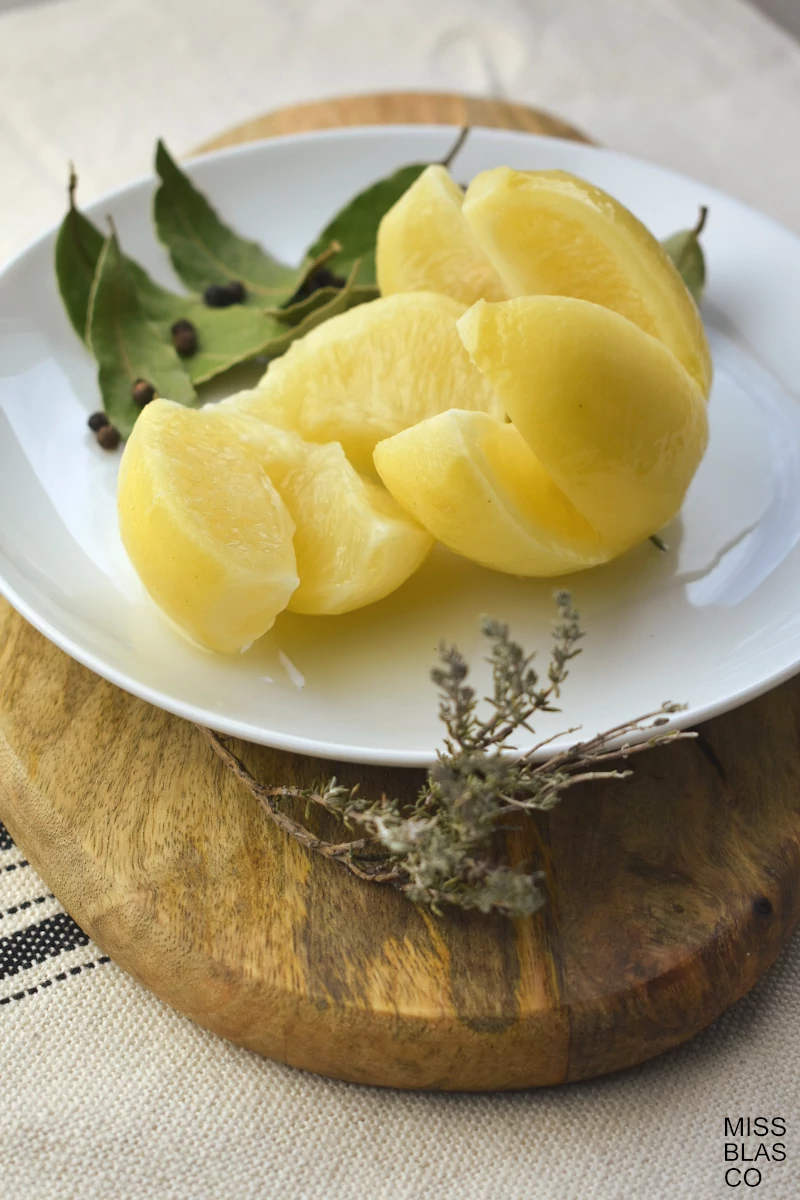
Only Three Ingredients: The Simplicity of Wild Fermentation
Preparing this “elixir” is incredibly simple. The hardest part is having the patience to wait for the bacteria to do their work.
What you need:
- Fresh Lemons: If possible, use organic lemons since we are fermenting the rind as well.
- Sea Salt: Use high-quality salt without additives or anti-caking agents.
- Filtered Water: This is vital. Chlorine is bactericidal (it kills bacteria), and we need our beneficial bacteria to thrive.
Optional Aromatics:
For your first batch, I recommend using only salt and water to understand the base flavor. In future batches, you can experiment with:
- Black peppercorns.
- Bay leaves.
- Fresh thyme or rosemary.
The “Starter” Trick:
If you have already made a batch of fermented lemons, save some of the liquid. Adding a splash of the brine from a previous fermentation to a new jar acts as a starter culture, accelerating the process and ensuring a successful bacterial colony from day one.
Step-by-Step: Fermenting Your First Batch
- Prep the Fruit: Wash your lemons thoroughly. You can slice them, quarter them, or keep them whole with deep “X” cuts (the traditional Moroccan style).
- Salt Heavily: Rub the salt into the flesh of the lemons. The salt draws out the juices and creates the environment where only “good” bacteria can survive.
- Pack and Submerge: Place the lemons in a clean glass jar. Press them down firmly so they release their juice.
- Add Brine: If the natural juice doesn’t cover the lemons, top it off with your filtered salt-water brine.
- The Weight: Use a glass weight to ensure the fruit stays submerged. Remember: “Under the brine, all is fine.”
- Wait: Store the jar in a cool, dark place for at least 3 to 4 weeks.
Three simple ingredients, fresh lemons, sea salt, and filtered water, are all you need to transform your kitchen into a probiotic laboratory.
Do You Dare to Try?
Fermenting lemons is a magnificent way to take control of your nutrition. It’s an easy process that rewards you with a gourmet condiment and a healthier gut.
When you add a spoonful of chopped fermented lemon to your homemade hummus, you aren’t just adding flavor, you are enriching your life with beneficial bacteria. I hope you feel encouraged to try it, it requires very little effort but provides immense rewards.
Explore my full collection of probiotic recipes:
- How to make sauerkraut at home
- How to ferment vegetables at home
- How to make easy Kimchi
- How to ferment cucumbers
How to Ferment Lemons
Equipment
- Glass jars
Ingredients
- 4 fresh lemons preferably organic
- 4 cups filtered water (1 liter)
- 1 tssp sea salt (20 g)
- 1 glass jar (34 oz)
Instructions
- Wash the lemons thoroughly. Cut each lemon into quarters lengthwise, but do not cut all the way through. Keep the quarters joined at one end so the lemon stays in one piece.
- Open the lemons slightly and, using your hands, rub a generous amount of sea salt into the interior of each fruit.
- Place the salted lemons into the glass jar. Try to pack them as tightly as possible; if they are well-fitted, they will stay wedged at the bottom and won't float once you add the liquid.
- The Brine (2% Salinity): Prepare the brine by adding 20g of sea salt to 1 liter of water. Pro-tip: To ensure the salt dissolves completely, you can slightly warm the water, but make sure it cools down before adding it to the jar to avoid killing the natural enzymes.
- Pour the brine into the jar until the lemons are completely submerged. It is vital that no fruit is exposed to the air.
- Seal the jar and label it with the date. Store it in a cool, dark place away from direct sunlight.
- Let them ferment for at least 15 days.
- Check regularly to ensure the lemons remain underwater. Important: Open the jar every 1 or 2 days to release the CO₂ gas generated during fermentation (this is called "burping" the jar).
Notes
- Summer: With higher temperatures, the process is faster; 15 days may be enough.
- Winter: In colder weather, the process slows down; they may need 1 month or even longer to reach the desired texture and flavor.
BASICS, DRESSING, FERMENTATION, GUT HEALTH, HEALTH, LEMON, LOW CARB, PROBIOTICS
Dany Serrano
Sigo tu página, es estupenda, muchas gracias por toda la información.
missblasco
Hola Dany!, muchísimas gracias por tu comentario, me alegro de que te guste! Saludos. 😉
SILVIA
Me encanta la introducción que das a cada una de tus recetas. Haces que sean… importantes. Muchas gracias.
Por cierto, los limones una vez fermentados,¿los conservamos en el frasco en el líquido? o los pasamos a la nevera…
missblasco
Hola Silvia! Los limones fermentados se conservan en el mismo líquido de la fermentación, pero dentro del frigorífico, así detienes el proceso y pueden durar meses.
Gracias por lo que comentas, me encanta demostrar que hasta el alimento más humilde puede ser importante si le damos el tratamiento adecuado. Saludos!! 😉
Ely
Estupenda receta. Mañana mismo la hago con unos limones de una finca que me han regalado. Ya contaré que tal me ha ido :0)
Gracias una vez más por tanto y bueno!
missblasco
Me alegro de que te guste, es una gozada contar con este condimento en la cocina, te encantará!
Camila
Hola! Gracias por la receta! 🙂
Con esta misma fermentación después se puede llevar el líquido a una segunda fermentación en botellas para hacer una bebida probiótica?
missblasco
Hola Camila, yo lo que suelo hacer es aprovechar parte del líquido de la fermentación para preparar la siguiente, así el proceso se acelera desde el principio. Nunca lo he aprovechado para tomarlo porque considero que es muy salado y me disgusta. Gracias por tu comentario y la valoración! 😉
Sel
Los limones deberán ser lavados antes de la fermentación?
missblasco
Hola, sí, con agua corriente, sin más.