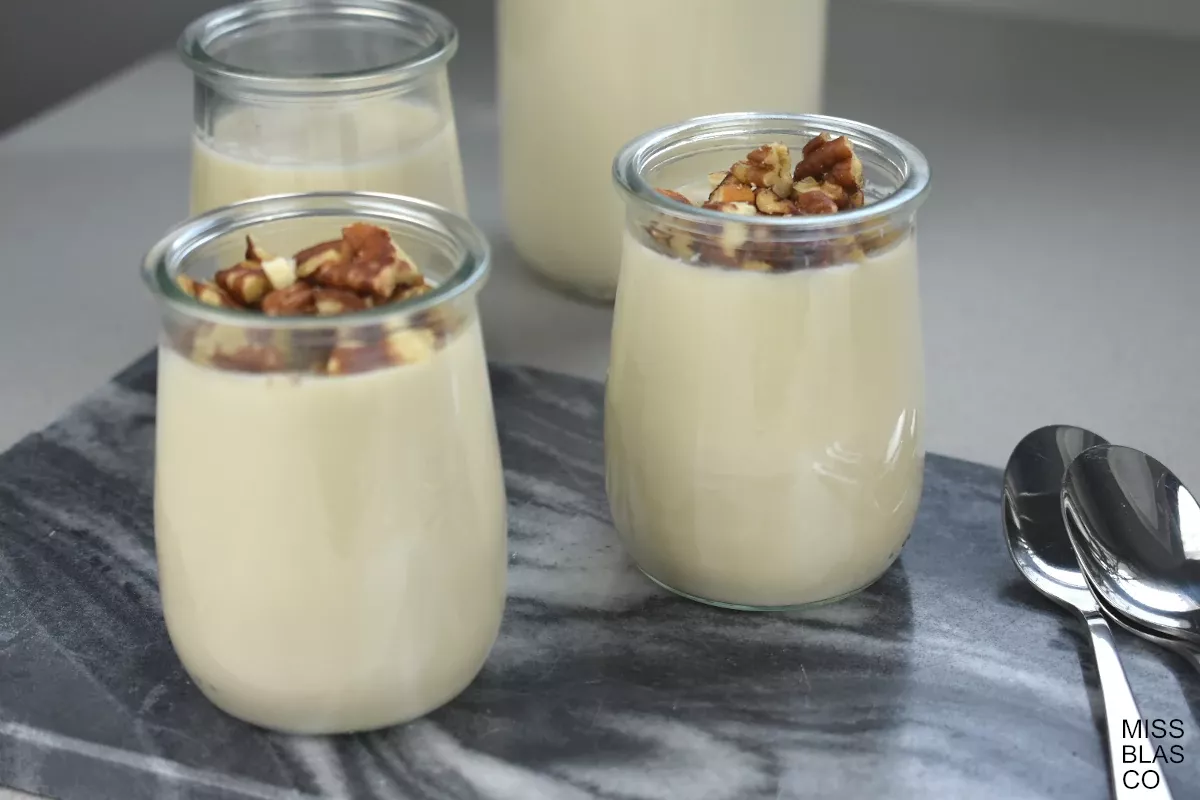
Easy Unsweetened Soy Yogurt Recipe
Easy Unsweetened Soy Yogurt Recipe
Looking for a simple, plant-based alternative to dairy yogurt? This Easy Unsweetened Soy Yogurt Recipe uses just three ingredients, soy milk, soy yogurt starter, and agar agar, to create a creamy, protein-rich yogurt that’s perfect for breakfast, desserts, or snacks. Ideal for reducing dairy intake or boosting plant-based protein, this homemade yogurt is a budget-friendly, nutrient-dense staple.
Why Choose Homemade Unsweetened Soy Yogurt?
Store-bought yogurts often contain added sugars or stabilizers, for example, which can undermine health goals. This unsweetened soy yogurt stands out because it’s:
- High-Protein and Plant-Based: ~7g protein per 3.5 oz.
- Dairy-Free and Vegan: No lactose, therefore, perfect for vegans or lactose-intolerant diets.
- Gluten-Free: Safe for celiac or gluten-sensitive individuals, for instance, with clean ingredients.
- Low-Cost: Cheaper than commercial yogurts, so, saving money over time.
- Customizable: Add fruits or nuts, making it, versatile for any meal.
Moreover, its simple fermentation process, for example, empowers you to create a sustainable, healthy staple at home.
Easy unsweetened soy yogurt is a high-protein, vegan recipe, ready in hours with just three ingredients for budget-friendly nutrition.
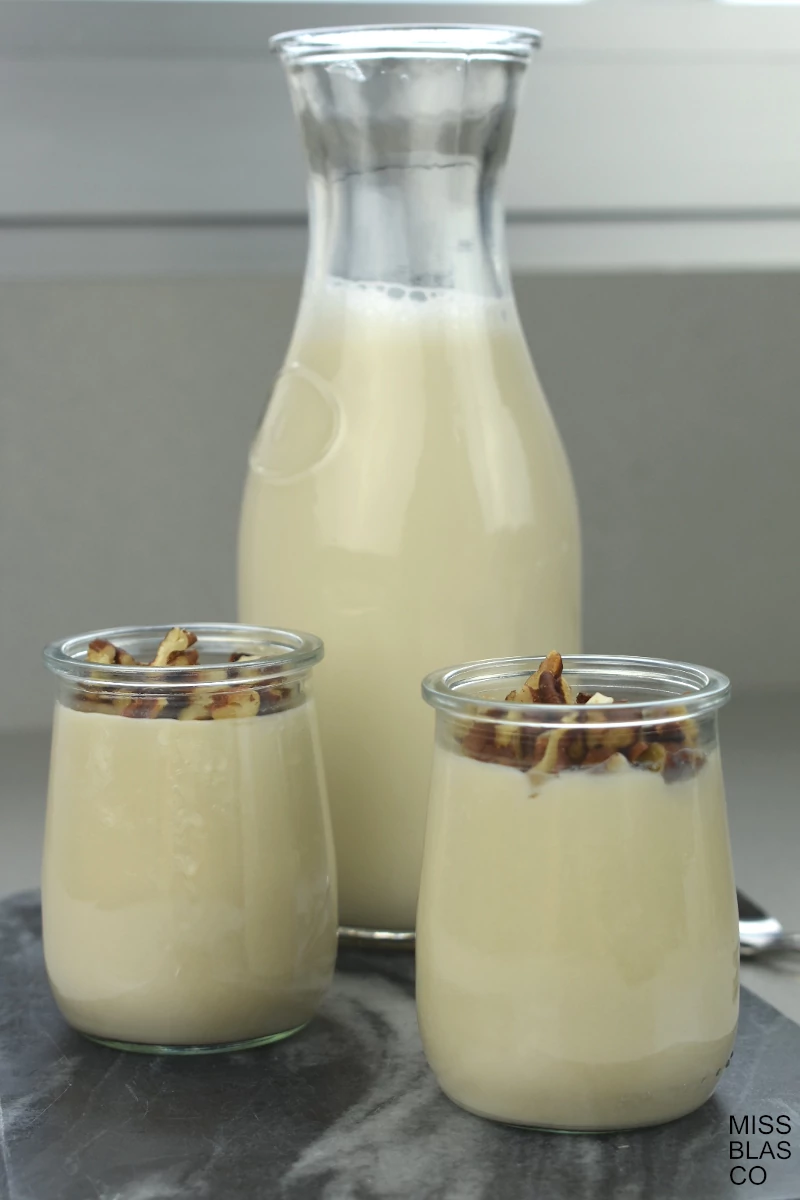
Recipe: Easy Unsweetened Soy Yogurt
This recipe yields ~4 cups of yogurt, perfect for 4–6 servings.
Ingredients
- 4 cups unsweetened soy milk (organic, no additives)
- ¼ cup plain, unsweetened soy yogurt (store-bought or from a previous batch)
- 1 teaspoon agar agar powder (optional, for thicker texture)
Instructions
- Prep the Milk: First, heat soy milk in a saucepan or cooking robot to 110-115°F (43-46°C), using a thermometer or finger test (warm but not hot). If using agar agar, whisk it in now and simmer for 2-3 minutes to dissolve.
- Cool Slightly: Next, let milk cool to 100-110°F (38-43°C) to preserve live bacteria.
- Add Starter: Then, whisk in soy yogurt until fully combined.
- Ferment: Pour mixture into clean glass jars or a yogurt maker. Cover and place in a warm spot (e.g., oven with light on or wrapped in a towel) at 100-110°F for 6-12 hours, depending on desired tanginess. Check after 6 hours; longer fermentation increases tartness.
- Chill and Set: Finally, refrigerate for 4-6 hours to set.
- Store: Store in airtight jars in the fridge for 7-10 days. Reserve ¼ cup for your next batch.
Serving Suggestions
- Breakfast: Mix with oats and almonds, for example, for a protein-packed start.
- Dessert: Top with red berries for a light treat.
Customization Options
- Thickener Swap: Use tapioca starch or guar gum, for instance, for varied textures.
- Flavor Add-Ins: Post-fermentation, add vanilla or cinnamon, thus, enhancing taste.
- Fruit Toppings: Try mango or kiwi, for example, for seasonal variety.
- Probiotic Boost: Use pharmacy-bought ferments, so, increasing bacterial diversity.
Dairy-free and gluten-free, it delivers complete plant-based protein and probiotics, perfect for gut and heart health.
Debunking Soy Myths: Phytoestrogens and Antinutrients
Soy is often misunderstood, for example, due to myths about phytoestrogens and antinutrients.
Phytoestrogens (Isoflavones):
- Not Estrogens: Plant-based compounds like isoflavones (found in soy, red clover), thus, don’t mimic human estrogens. They regulate estrogen receptors, for instance, with a mild effect on bones and no hormonal disruption.
- Safe Consumption: Daily soy intake is safe for adults and children, therefore, per scientific evidence, with benefits like antioxidant protection.
- Common Sources: Also in legumes, nuts, seeds, and wine, so, part of a regular diet.
Antinutrients (e.g., Phytic Acid, Protease Inhibitors):
- Neutralized by Processing: Fermentation, soaking, or cooking (as in this recipe), thus, deactivates antinutrients like phytic acid or enzyme inhibitors.
- Digestive Benefits: Fermented soy yogurt, for example, is easier to digest and nutrient-dense.
In contrast, unprocessed soy may reduce nutrient absorption, making, fermented products like this yogurt a healthier choice.
Soy Protein Benefits
Soy’s protein is nearly complete, for instance, containing eight essential amino acids (low in methionine).
- High-Quality: Ideal for vegan diets.
- Complementary Foods: Pair with nuts or grains to complete amino acid profile.
- Satiating: Protein and fiber, therefore, reduce hunger and support weight control.
This yogurt delivers ~7–8g protein per serving, for instance, making it a robust plant-based protein source.
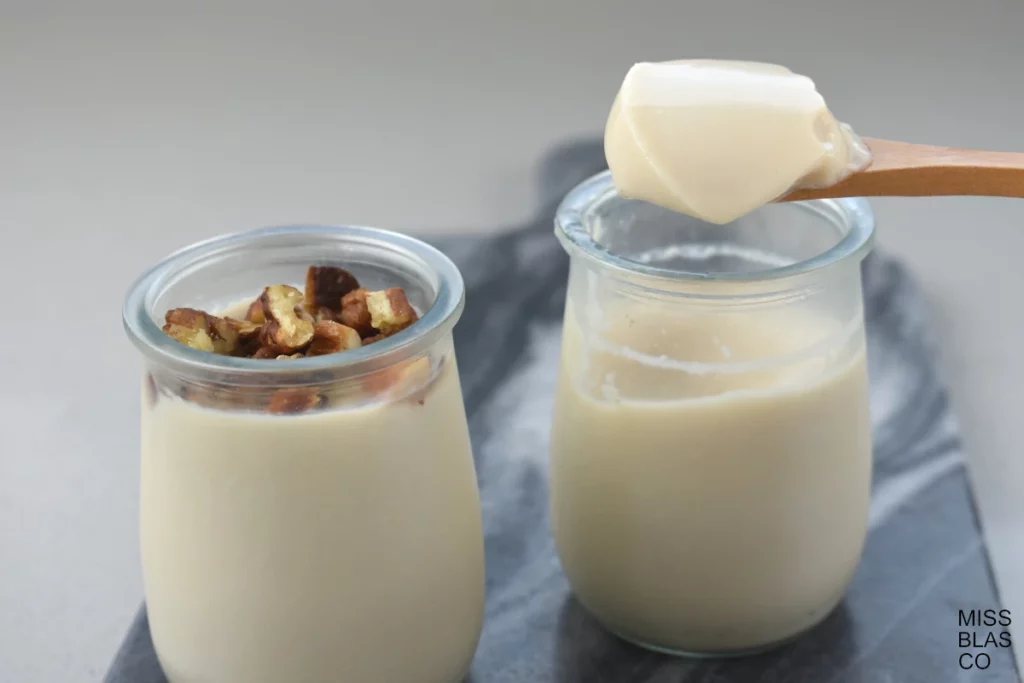
Why You’ll Love This Recipe
- High-Protein and Vegan: Complete plant-based protein, thus, perfect for dietary goals.
- Dairy-Free and Gluten-Free: Inclusive for all diets, for example, with clean ingredients.
- Budget-Friendly: Cheaper than store-bought, therefore, saving money.
- Quick and Simple: Minimal ingredients and effort, so, ideal for beginners.
- Sustainable: Reuse homemade yogurt as starter, for instance, reducing waste.
Tips for Perfect Yogurt
- Control Temperature: Use a thermometer for precision, otherwise, bacteria may not thrive.
- Choose Clean Equipment: Sterilize jars, for example, to prevent contamination.
- Taste Test: Adjust fermentation time, thus, for preferred tanginess.
- Stir Before Serving: Ensures creamy texture, so, avoiding separation.
This Easy Unsweetened Soy Yogurt Recipe is a protein-packed, dairy-free staple that’s simple to make with just three ingredients. For instance, it’s vegan, gluten-free, and budget-friendly, delivering complete plant-based protein and gut-friendly probiotics.
Try this delicious vegan dairy-free dessert and share your thoughts in comments.
More vegan recipes:
Easy Unsweetened Soy Yogurt Recipe
Ingredients
- 4 cups unsweetened soy milk organic, no additives
- ¼ cup plain unsweetened soy yogurt (store-bought or from a previous batch)
- 1 teaspoon agar agar powder optional, for thicker texture
Instructions
- Prep the Milk: First, heat soy milk in a saucepan or cooking robot to 110-115°F (43-46°C), using a thermometer or finger test (warm but not hot). If using agar agar, whisk it in now and simmer for 2-3 minutes to dissolve.
- Cool Slightly: Next, let milk cool to 100-110°F (38-43°C) to preserve live bacteria.
- Add Starter: Then, whisk in soy yogurt until fully combined.
- Ferment: Pour mixture into clean glass jars or a yogurt maker. Cover and place in a warm spot (e.g., oven with light on or wrapped in a towel) at 100-110°F for 6-12 hours, depending on desired tanginess. Check after 6 hours; longer fermentation increases tartness.
- Chill and Set: Finally, refrigerate for 4-6 hours to set.
- Store: Store in airtight jars in the fridge for 7-10 days. Reserve ¼ cup for your next batch.
Notes
- Control Temperature: Use a thermometer for precision, otherwise, bacteria may not thrive.
- Choose Clean Equipment: Sterilize jars, for example, to prevent contamination.
- Taste Test: Adjust fermentation time, thus, for preferred tanginess.
- Stir Before Serving: Ensures creamy texture, so, avoiding separation.
DAIRY FREE, DESSERT, LACTOSE FREE, SALUD, SOY, SUGAR FREE, VEGAN
Andrea
hola! acabo de descubrir esta web, estoy encantada con la receta del yogur de soja.. queria preguntar si es posible hacerlo con la yogurtera de toda la vida?, gracias!!
missblasco
Hola Andrea, claro que sí, respetando las temperaturas que te explico en la entrada.
El agar agar deberás disolverlo antes y cuando haya bajado de temperatura, añades el yogur de soja y entonces lo pones en los recipientes de la yogurtera para que fermente.
Gracias por tu comentario!
Saludos,
Francesca.
Juan Pinto
Quedé fascinado con la receta, pero me quedó una duda.
¿Cuánto tiempo dura sin descomponerse una vez ya puesto en el refrigerador?
Desde ya muchas gracias!.
missblasco
Hola Juan, puedes tenerlos en el frigorífico entre 4 y 5 días sin problemas. Lo mejor es tapar cada recipiente con un poco de papel film para que no se seque la superficie ni cojan olores. Me alegro de que te guste la receta. Saludos! 😉
Lis
Buenas.. se ve genial el resultado. Quiero hacerlo pero no consigo en mí pueblo el yogurt de soja con q puedo reemplazarlo en la receta!?
missblasco
Hola Lis, puedes sustituirlo por un yogur natural de leche de vaca para poder fermentar el resto de la leche, pero entonces la receta ya no será vegana. Si lo haces con leche de soja mantendrá el sabor de la soja. Saludos y gracias por comentar! 😉
Romina Gómez
Consulta: pude conseguir yoghurt natural. Es facil conseguir yoghrt de soja? Tengo un yoghurt vegano de arandanos que compré. Puedo usarlo. No es yoghurt natural. Me encantó lo receta. Ya estoy por preparar la leche enbatidora pars preparar el yoghurt!
missblasco
Hola Romina, para hacer yogur con la leche que sea a partir de otro yogur, es imprescindible que el yogur que uses tenga fermentos. Si el yogur vegano lleva fermentos sí que te sirve, pero si es un mal llamado yogur, porque en realidad es una crema espesa, no hará su función. En España es muy fácil comprar yogures de soja y hay una gran variedad, se pueden encontrar sin azúcares añadidos, si en tu zona no los encuentras, puedes usar un yogur natural de leche de vaca o de cabra, pero esta opción no es vegana, claro. Espero haberte ayudado, saludos! 😉
ANDRFEINA VIELMA
HOLA… SE VE DIVINO CON QUE PUEDO SUSTITUIR EL AGAR
missblasco
Hola, el agar agar lo puedes sustituir por almidón de tapioca o de maíz, con un cucharadita (tsp) será suficiente, lo pongo para qeu el resultado final tenga más consistencia, disuelve la tapioca o el maíz en frío para que no se formen grumos. Gracias por tu comentario! Saludos 😉
Mayumi
Great recipe, ill make, my only question is how does soy milk reacts to sugar substitutes? Is it a good idea to add it to soy milk? how can i sweeten my soy milk without sugar.
Thanks
missblasco
Hi Mayumi, you can sweeten the soy milk with erythritol, it is a good option, nice flavor and one by one substitute for sugar. I don’t use any sweetener in this recipe, but if you need it, use erythritol. Xylitol is another good option, and Monkfruit too. Thanks for your comment! 😉
ely
Hola!
quería saber si las bacterias buenas del yogur crecen/se multiplican con la leche vegetal.
Muchas gracias!
me encantan tus recetas…te sigo tbn por IG :0)
missblasco
Hola Ely, en esta receta uso leche vegetal y un yogur vegetal (comercial) que contiene bacterias porque ha sido fermentado con anterioridad, si mantienes la leche vegetal con el yogur durante unas horas (8-10h) a una temperatura de 40-50ºC (no más porque te cargas las bacterias), haces que fermente y las bacterias crezcan.
Muchas gracias por tu comentario, y gracias por seguirme! Un abrazo! 😉
Diana
Hola! Gracias por la receta. ¿Me puedes ayudar a saber la temperatura de la leche sin termómetro? Gracias
missblasco
Se trata de meter el dedo meñique y el punto es cuando está muy caliente, pero aún no te quemas. No se si me explico bien, pero es así. Saludos! 😉
Mari
Por qué es necesario calentar la leche hasta 90°? No es suficiente calentarla a 45°? Muchas gracias.
missblasco
Hola Mari, hay que calentar la leche a unos 90-95ºC para que el agar agar se active y cumpla su función. Es necesario cocinar la mezcla (leche de soja + agar agar) durante 2 minutos sin dejar de remover, para que no queden grumos, y después ya dejar templar hasta los 40-45ºC. Cuando ya tienes la leche a esa temperatura, puedes añadir el yogur, mezclar y dejar reposar en un lugar cálido. Espero haber resuelto tu duda. Un cordial saludo! 😉
Aida
Hola! Puede sustituir el agar agar por gelatina sin sabor? Gracias 😊
missblasco
Hola Aída, claro que sí, el agar agar lo utilizo para que la receta sea apta también para veganos, pero se puede hacer con gelatina convencional sin sabor.
Muchas gracias por tu comentario y saludos! 😉
AIDA
Hola! Hice la receta pero salió con mucho suero, lo mezclé todo y luego la contextura parece un poco grumosa (aunque no huele mal, ni tiene mal color). Tú crees que aún lo pueda comer o estará malogrado? 🙁
missblasco
Hola, seguramente lo que pasó es que no quedó tan cuajado, pero eso no implica que estuviera malo. Comprobar sabor y olor es lo que te indica si estaba malogrado o si simplemente no conseguiste la textura, por falta de fermentación o porque el agar agar no espesó.
Bueno, si lo vuelves a intentar, ya me cuentas.
Saludos y gracias por comentar. 😉
Silviana
Hola!!! Cómo sé si cuajo? Está hace 8 horas y se ve espeso pero no me doy cuenta si está o lo tengo que dejar más, no tengo yoguertera lo tengo en el horno …medio y bajo a 35 le alcanza? Perdón por tantas preguntas y gracias!!!
missblasco
Hola, yo suelo moverlos y a simple vista se ve si ha cuajado o no, también puedes usar una cucharilla de madera y asegurarte. Espero que te haya salido bien. Saludos! 😉