
Complete Protein Food Combinations for Vegans
Complete Protein Food Combinations for Vegans: Boost Your Nutrition
Struggling to meet protein needs on a vegan diet? This guide to Complete Protein Food Combinations for Vegans explores protein complementation, a simple strategy to combine plant-based foods for high-quality, bioavailable protein.
What Is Protein Complementation?
Protein complementation involves pairing foods with incomplete proteins to create a complete protein containing all nine essential amino acids. For example, it’s key in vegan diets where plant proteins often lack certain amino acids. This strategy ensures:
- High-Quality Protein: Combines low or medium-quality proteins, thus, mimicking animal protein’s amino acid profile.
- High Bioavailability: Enhances absorption, for instance, supporting muscle repair and energy.
- Plant-Based Nutrition: Boosts protein intake without animal products, therefore, ideal for vegans.
- Digestive Ease: Adds fiber and nutrients, so, promoting gut and heart health.
- Versatility: Pairs like lentils and rice, making it, accessible and traditional.
Moreover, protein complementation, for example, supports athletes, vegans, or anyone aiming for balanced nutrition with less reliance on meat.
Understanding Proteins and Amino Acids
Proteins are macromolecules made of amino acids, critical for body functions. Here’s why they matter:
- Functions: Structural (collagen), enzymatic (lipase), immune (antibodies), homeostatic (pH balance), and wound healing (fibrin), for instance, supporting overall health.
- Essential Amino Acids: Nine of 20 amino acids must come from diet, thus, requiring strategic food choices.
- Limiting Amino Acids: Plant foods like cereals lack lysine, while legumes lack methionine, therefore, needing complementation.
Plant-based combinations offer benefits with added fiber and antioxidants.
Key Plant-Based Protein Sources
Plant foods vary in protein content and amino acid profiles. Here are top sources:
- Soy
- Hemp and Pumpkin Seeds
- Lentils and Beans
- Chickpeas
- Oats and Quinoa
- Chia Seeds
- Spirulina
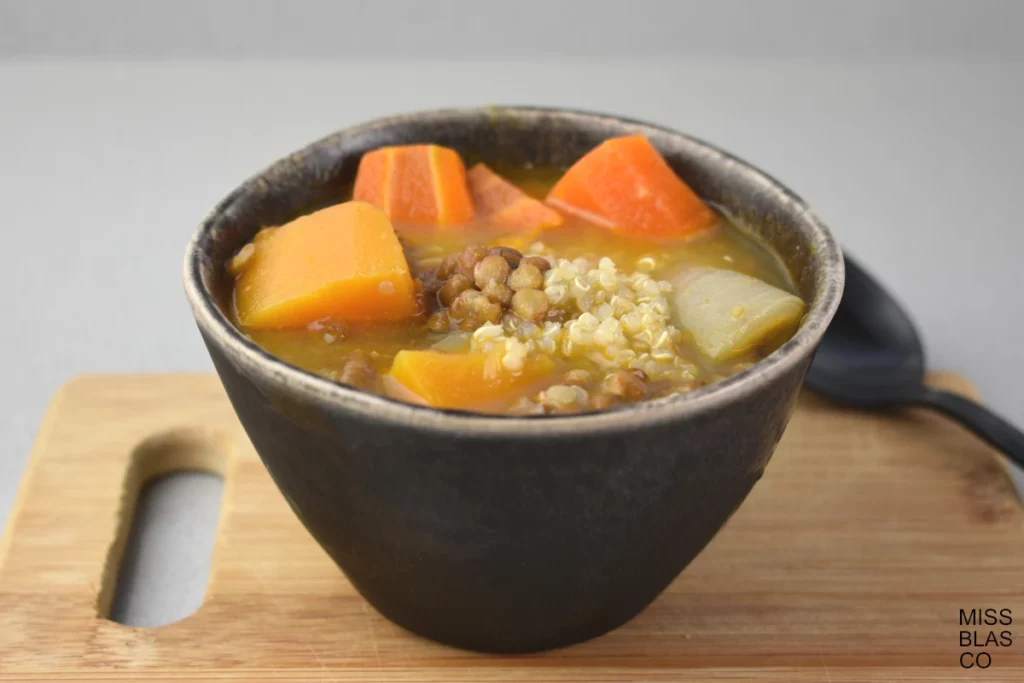
Complete protein food combinations for vegans deliver high-quality protein using plant-based pairings like lentils and quinoa.
Why Protein Complementation Matters
Vegan diets risk protein deficiencies without proper planning, for example, due to lower bioavailability of plant proteins. Complementation addresses this by:
- Completing Amino Acids: Combines limiting amino acids (e.g., lysine + methionine), thus, forming high-quality protein.
- Supporting Athletes: High bioavailability fuels muscle repair, for instance, reducing reliance on whey protein.
- Heart Health: Plant-based pairings lower cholesterol, therefore, unlike meat-heavy diets.
- Weight Management: Fiber-rich foods, for example, promote satiety.
In contrast, single plant foods are incomplete, making, complementation essential for balanced vegan nutrition.
Top Vegan Protein Combinations
These pairings create complete proteins, for example, with high bioavailability:
- Legumes + Whole Grains: Lentils with quinoa (~12g protein per cup combined).
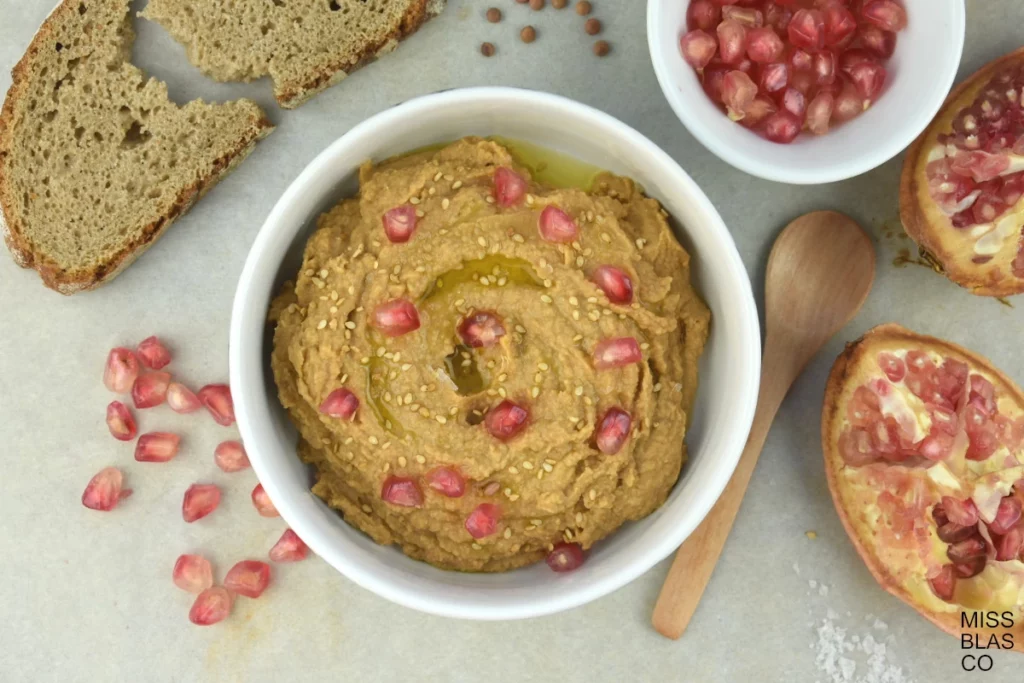
- Legumes + Nuts: Hummus (chickpeas + sesame, ~16g protein per 7 oz).
- Whole Grains + Plant-Based Dairy: Oat pudding with almond milk (~10g protein per serving).
- Nuts/Seeds + Plant-Based Dairy: Hemp seeds in soy yogurt (~12g protein per serving).
- Whole Grains + Nuts/Seeds: Quinoa salad with pumpkin seeds (~14g protein per cup).
Recipe Ideas for Protein Complementation
Try these vegan recipes to put complementation into practice:
- Lentil-Quinoa Bowl: Combine cooked lentils, quinoa, spinach, and tahini dressing, thus, delivering ~12g protein per serving.
- Hummus with Whole-Grain Pita: Blend chickpeas and sesame paste, served with pita, for example, for ~8g protein per 3.5 oz.
- Oat, Chia, and Almond Milk Pudding: Mix oats, chia, almond milk, and nuts, topped with Sugar-Free Homemade Compote, therefore, yielding ~10g protein per serving.
- Chickpea and Pumpkin Seed Salad: Toss chickpeas, pumpkin seeds, and kale with olive oil, so, for ~10g protein per cup.
For instance, these recipes are simple, nutrient-dense, and perfect for breakfast, lunch, or snacks.
Nutrient-dense and budget-friendly, these combinations support muscle repair, heart health, and stable blood sugar.
Health Considerations
This approach supports:
- Muscle Maintenance
- Heart Health: Fiber and healthy fats, for example, lower cholesterol and triglycerides.
- Blood Sugar Control: Low-glycemic pairings, therefore, stabilize glucose.
- Gut Health: Fiber from legumes and grains, for instance, promotes regularity.
However, ensure varied pairings to avoid amino acid imbalances, for example, rotating legumes and grains weekly. For allergies, swap nuts for seeds, thus, maintaining nutrition.
Why You’ll Love Protein Complementation
- High-Protein and Vegan: Complete proteins without animal products, thus, ideal for ethical diets.
- Nutrient-Dense: Adds fiber, vitamins, and minerals, for example, boosting wellness.
- Budget-Friendly: Uses affordable staples like lentils and oats, therefore, saving money.
- Versatile: Fits breakfast, lunch, or dinner, for instance, with endless recipes.
- Sustainable: Reduces meat reliance, so, benefiting health and the planet.
Tips for Successful Complementation
- Plan Meals: Combine grains and legumes daily, otherwise, protein gaps may occur.
- Vary Pairings: Rotate foods (e.g., chickpeas, quinoa, soy), for example, for nutrient diversity.
- Cook in Bulk: Prep lentil-quinoa bowls, thus, saving time.
- Check Bioavailability: Grind seeds like chia, so, maximizing nutrient absorption.
Complete Protein Food Combinations for Vegans make it easy to meet protein needs with plant-based foods. For instance, pairing legumes with grains or nuts ensures all essential amino acids, supporting muscle, heart, and gut health. Moreover, recipes like lentil-quinoa bowls or oat-chia pudding are simple, nutrient-dense, and versatile.
Examples of recipes that meet these requirements:
- Lentils with quinoa
- Oat, Psyllium and Chia Pudding
Elena
Muy buen artículo! Este concepto ha sido novedoso para mi.
Mi hijo mayor desde muy pequeño se negó a comer carne y pescado, de proteínas de origen animal solamente come lacteos y huevos. Ha sido muy complicado para mi conseguir que no tuviera ninguna deficiencia proteica. Pondré en práctica las combinaciones que indicas para conseguir proteina de calidad de origen vegetal.
Por cierto, vaya pinta que tiene el pudin!!!
missblasco
Hola Elena! Me alegro mucho de que te resulte interesante. En casos como el de tu hijo llevarla a cabo la complementación proteica es fundamental. Se pueden hacer muchas combinaciones! Y la receta del pudin, seguramente mañana estará publicada. Feliz fin de semana! 😉
Dany Sobeida
Excelente información mucha gracias, hace dos años que soy vegetariana y mi mayor problema ha sido manejar la ingesta de proteína , porque ademas ya me encuentro cercana a los 50, voy a ser una seguidora frecuente.
missblasco
Hola Dany, me alegro de que te haya gustado la entrada, teniendo en cuenta lo que comentas, puede que también te interese la entrada en la que hablo sobre las propiedades de la soja: https://www.missblasco.com/yogur-de-soja-casero-sin-azucar/ y la que dedico a las legumbres y sus antinutrientes: https://www.missblasco.com/legumbres-y-antinutrientes/
Si te surge cualquier duda, cuéntame en los comentarios. ¡Saludos!, Francesca.
Myriam Rodríguez
Buenos días,encantada con el espacio,y la información que tiene,sobre la comida vegana.tengo un hijo en silla de ruedas hace 7 años,y se alimenta por sonda de gastotocmia.
Me pide que no le de nada de origen animal,que el quiere ser vegetariano,pero yo tengo muy poca esperiencia,en cocina y menos vegetariana.
Me podía ayudar que le preparo para pasarle,pasar por la sonda.les agradezco.
missblasco
Hola Myriam, siento que te encuentres en esa situación, lamentablemente no soy médico y no puedo darte consejos sobre nutrición por sonda de gastrostomía, debería ser su médico endocrino con la colaboración de un dietista el que te proporcione las fórmulas más adecuadas para él.
Si quiere ser vegetariano, deberás tener en cuenta el aporte correcto de vitamina B12 y elegir las mejores proteínas de origen vegetal, (legumbres, cereales enteros, tofu, frutos secos, etc.), no puedo darte más indicaciones puesto que desconozco por completo el caso. Un saludo y mucho ánimo.