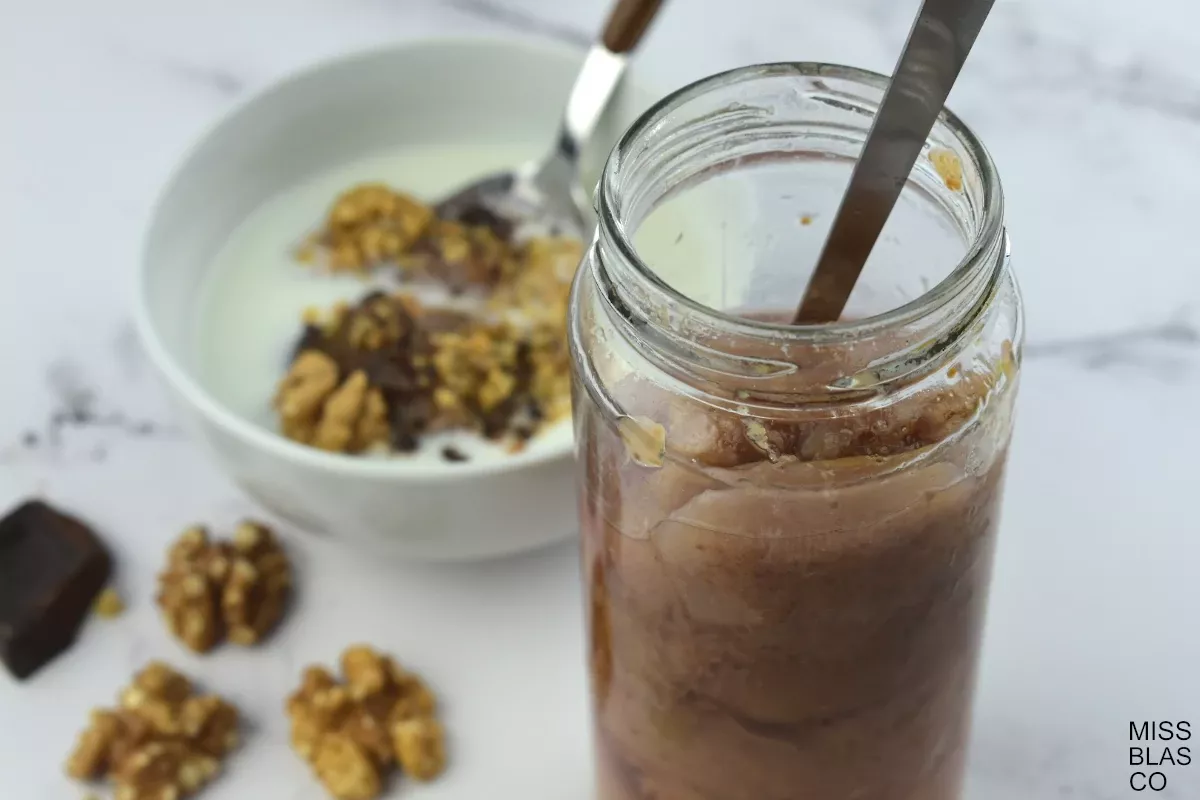
How to Preserve Figs
Easy Fig Compote: How to Preserve Late-Summer Figs Without Added Sugar
In the heat of August, nature offers one of its most generous (and fleeting) gifts: the fig. If you are lucky enough to have a fig tree, you know the bittersweet feeling of seeing branches heavy with fruit. It is a shame to see such a nutrient-dense food go to waste, yet it is nearly impossible to consume them all before they spoil.
As a clinical nutritionist with over a decade of experience, I am passionate about food waste and metabolic health. Over the last few summers, I have perfected a method of preparing Fig Compote that honors the fruit’s natural sweetness without the need for refined sugars. Whether you want to top your morning kefir or add a gourmet touch to a sugar-free dessert, this preserved fig recipe is a must-have in your pantry.
The Shift from Puree to Whole Fruit Preserves
In previous years, I focused on making a smooth compote, cooking the figs with vanilla and cinnamon and mashing them into a spread. It’s delicious on buttered low-carb toast. However, this year I’ve opted for preserved whole figs (or halves).
Keeping the fruit intact changes the experience entirely. When you fold a whole, soft, cinnamon-infused fig into a bowl of Greek yogurt or kefir, you get a burst of texture that a puree simply cannot match. The process remains almost identical, but the result is far more versatile.
Preserved figs can be enjoyed for months as a nutrient-dense topping for kefir, yogurt, or as a sophisticated addition to sugar-free desserts.
Ingredients
This recipe relies on the fruit’s own sugars and a few key aromatics to create a deep, complex flavor.
- Fresh Figs: Harvested at peak ripeness.
- Ceylon Cinnamon Sticks: I specifically recommend Ceylon (True Cinnamon) for its superior flavor and its potential role in supporting insulin sensitivity.
- Lemon Juice: A splash provides the acidity needed for preservation and balances the natural sweetness.
- Water: Just enough to create a light syrup during the simmering process.
To Peel or Not to Peel?
Traditionally, I leave the skins on because they contain beneficial polyphenols and fiber. However, for a more delicate “gourmet” texture, peeling them (or most of them) allows the interior to soften into a jam-like consistency while maintaining its shape.
Step-by-Step Preservation
- Preparation: Peel the figs if desired, or leave them whole if they are small. If they are very large, cut them in half.
- The Simmer: Place the figs in a pot with the cinnamon sticks, lemon juice, and a bit of water. Let them simmer gently for about 20 minutes. You are looking for the fruit to become tender and the liquid to thicken slightly into a natural syrup.
- Sterilization: While the figs simmer, boil your glass jars in water to ensure they are completely sterile.
- Packing: While the compote is still warm, pack the figs and the syrup into the jars.
- Water Bath: Seal the jars and boil them again in a water bath to create a vacuum seal. This ensures they stay shelf-stable for months.
The Dietitian’s Corner: Figs and Diabetes
As a diabetic myself, I have a deep respect for the fig. They are nutritional powerhouses, but they are also nature’s candy.
Figs are exceptionally rich in glucose, fructose, and sucrose. While these are natural sugars, the body still must process them. This makes figs an incredible energy source, ideal for athletes or for a pre-workout snack, but they require moderation for those of us managing blood sugar.
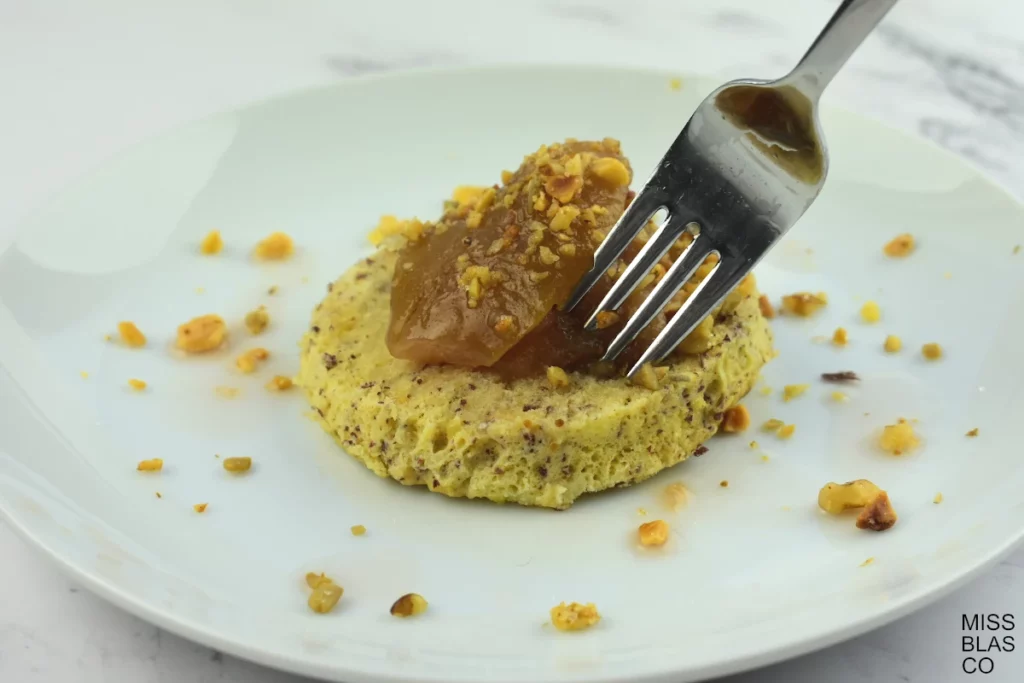
Figs are rich in glucose, fructose, and sucrose, they provide an immediate energy boost, making them ideal for athletes and active individuals.
Why Carbohydrate Control Matters for Everyone
Controlling carbohydrate intake isn’t just a “diabetic thing.” It is essential for long-term health. An excess of carbohydrates—even from natural sources like honey, tubers, or fruit—can lead to:
Systemic inflammation.
Imbalances in the gut microbiota.
Hyperinsulinemia (elevated insulin levels).
Understanding the “personality” of each food allows us to enjoy them without unbalancing our metabolism. By pairing this compote with fats and proteins (like yogurt or nuts), we slow down the absorption of those sugars, preventing sharp glucose spikes.
Nutritional Benefits of Figs
Despite their sugar content, figs offer medicinal-grade benefits that make them worth including in a mindful diet:
- Digestive Support: They contain cradina, as well as citric and malic acids, which aid digestion.
- Microbiota Fuel: Figs are high in mucilages, a type of fiber that serves as Microbiota Accessible Carbohydrates (MACs). This feeds the “good” bacteria in your gut.
- Mineral Wealth: They are a surprising source of Calcium, Magnesium, and Potassium, supporting bone health and blood pressure regulation.
- Hydration: Fresh figs are approximately 80% water.
Figs are a high-fiber fruit containing mucilages (MACs) that nourish the gut microbiota and support healthy intestinal transit.
Why You’ll Love This Recipe
Zero Waste: Turns a surplus harvest into a long-term pantry staple.
No Refined Sugar: Uses the fruit’s own sweetness, making it a “clean” treat.
Versatile: Excellent as a condiment for muffins, cakes, or savory cheese boards.
Gut Friendly: Provides the fiber and acids necessary for a healthy digestive tract.
Discover more easy low-carb recipes:
Preserved Figs
Equipment
- 1 pot
- 6 16 oz glass jars
Ingredients
- 6.5 lb figs
- 1 lemon (only the juice)
- 2 cinnamon sticks
- 1 vanilla bean
- 1 cup mineral or filtered water
Instructions
- Peel the figs if desired, or leave them whole if they are small. If they are very large, cut them in half.
- Place the figs in a pot with the cinnamon sticks, lemon juice, vanilla bean seeds, and a bit of water. Let them simmer gently for about 20 minutes. You are looking for the fruit to become tender and the liquid to thicken slightly into a natural syrup.
- Sterilization: While the figs simmer, boil your glass jars in water to ensure they are completely sterile.
- Packing: While the compote is still warm, pack the figs and the syrup into the jars.
- Seal the jars and boil them again in a water bath to create a vacuum seal. This ensures they stay shelf-stable for months.
Notes
- If this preservation technique is performed correctly, the canned compote has an estimated shelf life of one year.
- If air enters any of the jars, the contents could spoil, therefore, always inspect each jar upon opening to ensure it is in perfect condition.
- Once opened, keep the compote in the refrigerator and consume it within one week.
BASICS, DESSERT, EASY, FIGS, GUT HEALTH, MICROBIOTA, SUGAR FREE, VEGAN