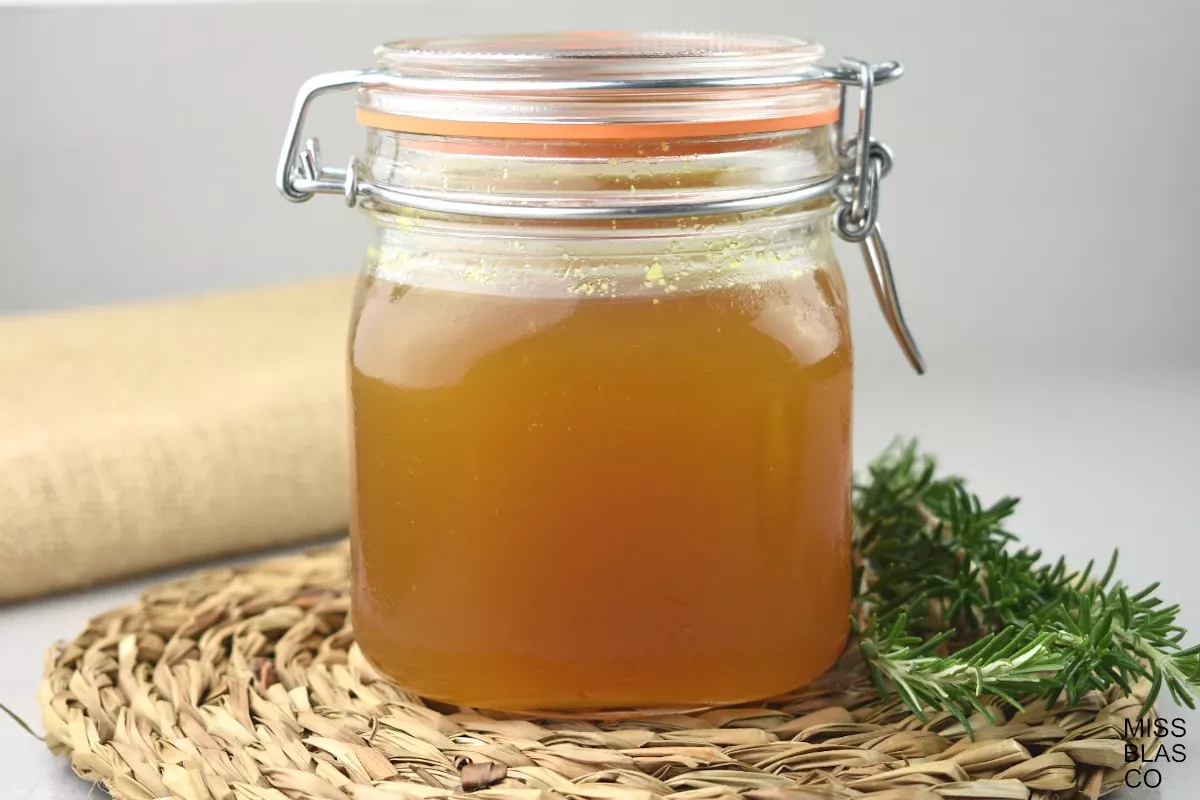
Easy Bone Broth Recipe
Easy Bone Broth Recipe: Nutrition, Benefits, and How to Make It
When winter arrives, nothing feels more comforting than a warm bowl of broth. Bone broth is not only soothing, but also one of the most nutrient-dense foods you can easily prepare at home. I often drink a cup before lunch or dinner; it helps curb my appetite and feels like a nourishing ritual.
In my family, homemade chicken broth has always been a tradition. It was a staple during cold months, and now it has become one of my favorite weekly recipes. But once I discovered bone broth, especially when exploring low carb and paleo diets, I realized its true value: a healing, collagen-rich food that supports digestion, immunity, and joint health.
What is Bone Broth?
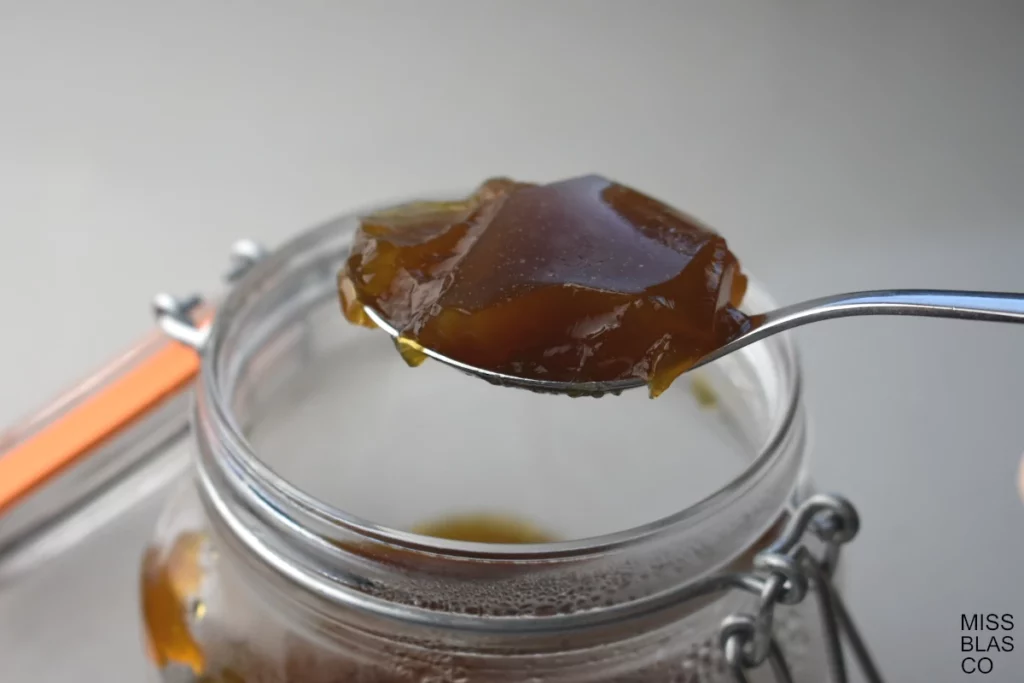
Bone broth is a slow-cooked broth made from animal bones, vegetables, and herbs. Unlike regular broth, bone broth is simmered for a long time, usually 12 to 24 hours, to extract minerals, collagen, amino acids, and nutrients from the bones. The result is a rich, gelatinous liquid packed with flavor and health benefits.
You can prepare bone broth using beef, chicken, lamb, pork, or even fish bones. Adding vinegar to the cold water before cooking helps extract minerals more effectively, a key step you should not skip.
Bone broth is rich in collagen, amino acids, and minerals, making it a functional, nutrient-dense food.
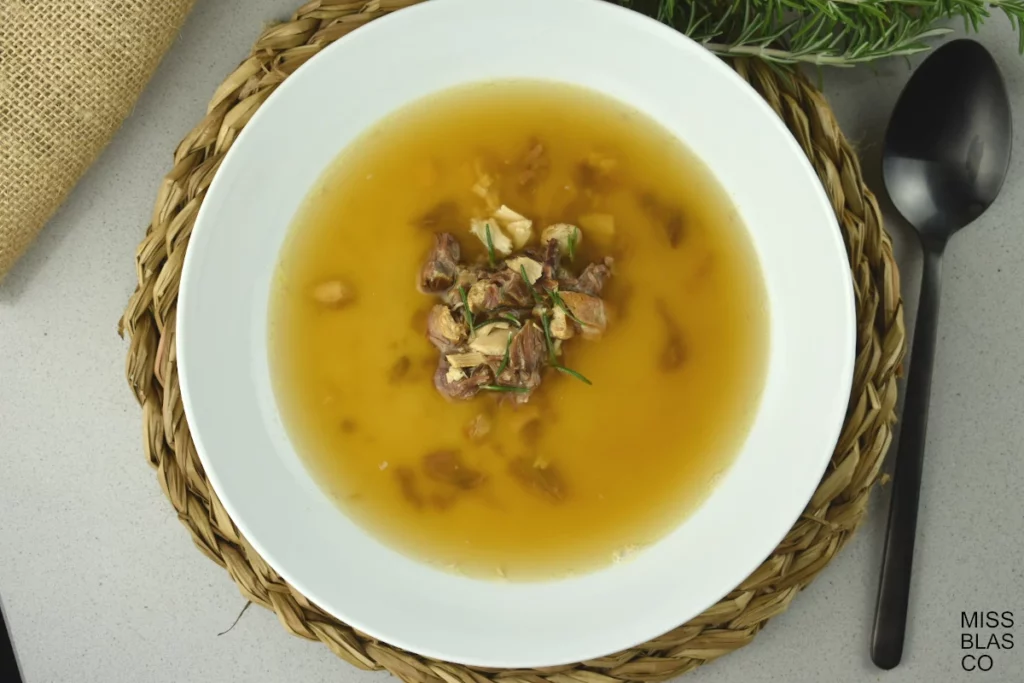
Nutritional Benefits of Bone Broth
Bone broth is considered a functional food because of its high nutrient density. Here are some of its main properties:
- Rich in collagen and gelatin: Supports joint, skin, and gut health.
- Source of amino acids: Glycine, proline, and glutamine play a role in digestion, muscle repair, and immune function.
- Minerals: Provides calcium, magnesium, phosphorus, and potassium, essential for bone strength and electrolyte balance.
- Protein content: Though moderate, it contributes to satiety and supports tissue repair.
- Low in calories: About 30–40 kcal per serving, making it a light yet nourishing addition to your meals.
Why Collagen and Glycine Matter
Collagen is the protein responsible for maintaining the elasticity of your skin, the strength of your bones, and the flexibility of your joints. When bones are simmered, collagen breaks down into gelatin, which provides glycine.
Glycine is an amino acid that plays multiple roles: it helps your body create collagen, supports detoxification in the liver, and promotes better sleep quality. Many people don’t get enough glycine from their diet, so bone broth is a simple way to boost intake.
Glycemic Load and Bone Broth
For those concerned about blood sugar levels, bone broth is naturally low in carbohydrates. Its glycemic load is virtually negligible, which makes it suitable for people following low carb, keto, or diabetes-friendly diets.
Adding vinegar at the beginning helps extract essential minerals from the bones.
How to Make Bone Broth Step by Step
Ingredients
- 2 tbsp apple cider vinegar (or any mild vinegar)
- 2 kg mixed bones (beef knuckles, oxtail, chicken drumsticks, pork spine, marrow bones)
- 1 onion
- 2 carrots
- 2 leeks
- 1 celery stalk
- ½ white cabbage
- 2 turnips
- 4 garlic cloves
- 1 tsp turmeric
- ½ tsp ginger powder
- ½ tsp onion powder (optional)
- 4 bay leaves
- 4 tsp sea salt
- 5 liters filtered or mineral water
Instructions
- Roast the bones: Place bones on a baking tray and roast at 180°C (350°F) for 30 minutes to enhance flavor.
- Soak with vinegar: Transfer bones to a large stockpot (9 liters recommended). Add 5 liters of water and vinegar. Let rest for 30 minutes before heating.
- Prepare vegetables: Peel and chop the vegetables. Add them to the pot along with garlic, spices, and salt.
- Bring to a boil: Heat until it starts boiling, then skim any foam that appears.
- Simmer slowly: Reduce heat to very low, ensuring a gentle simmer. Cook for at least 12 hours, ideally 16–18 hours.
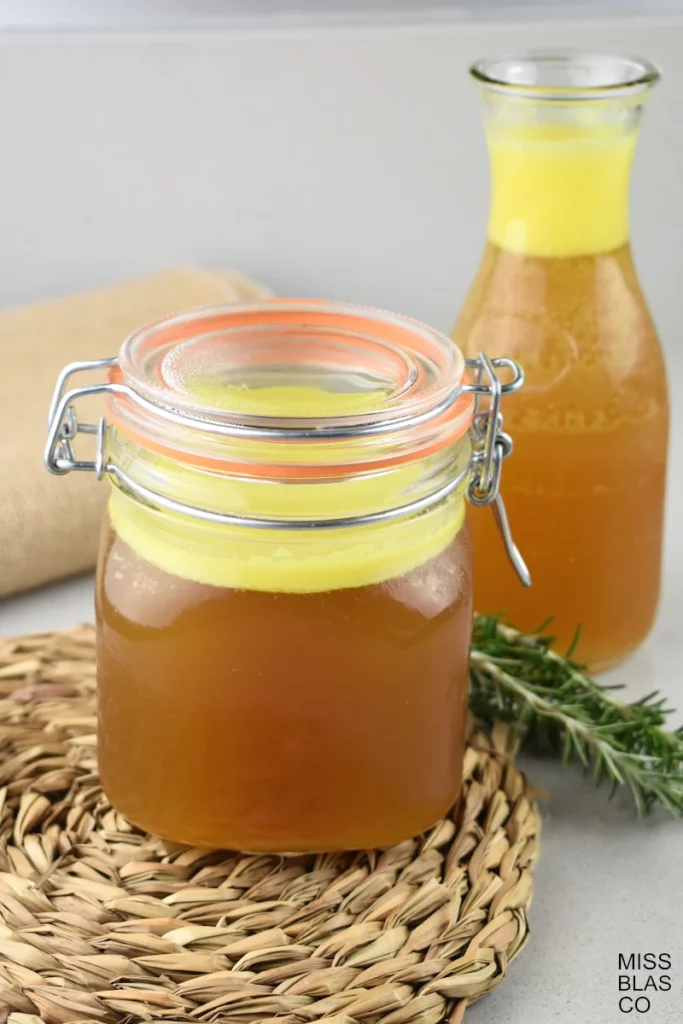
- Cool and store: Allow to cool, strain the broth, and store in glass containers. Refrigerate overnight and remove the solidified fat the next day.
- Optional concentration: Reduce the broth further to obtain a concentrated gelatin, perfect for freezing in ice cube trays and using later.
Practical Uses in the Kitchen
- Drink it warm as a consommé.
- Use as a base for soups, stews, and purees.
- Freeze in small portions to flavor sauces or meat dishes.
- Add to legume stews for extra nutrition and depth of flavor.
It is low in calories and carbohydrates, suitable for low carb and diabetes-friendly diets.
FAQs About Bone Broth
1. Do I need a special pot to make bone broth?
No, you can make it with a regular pot. Slow cookers are convenient, but not essential.
2. Isn’t it too fatty?
Most of the fat solidifies after refrigeration and can be removed easily. This step makes the broth lighter.
3. Is gelatin really beneficial?
Yes, gelatin is rich in collagen and amino acids like glycine, which support joint, bone, and skin health.
4. Does it make a mess in the kitchen?
Not really. You only need one large pot. The main task is straining and storing the broth afterward.
5. How long does it last?
Stored in the fridge, it keeps up to 5 days. Frozen in portions, it lasts for months.
Why I Recommend Bone Broth
Bone broth is more than just comfort food. It’s practical, nutritious, and versatile. It supports joint and bone health, helps recovery after illness, and is especially beneficial for children, athletes, and older adults.
It’s also one of those recipes that helps you stay organized in the kitchen: cook once, and you’ll have a nutrient-dense base for many meals throughout the week.
If you try this healthy bone broth, I’d love to hear your thoughts in the comments.
Related Posts:
- Easy Spicy Cabbage Soup
- Vegetable soup and how to avoid gastroesophageal reflux.
- Express Broccoli Soup
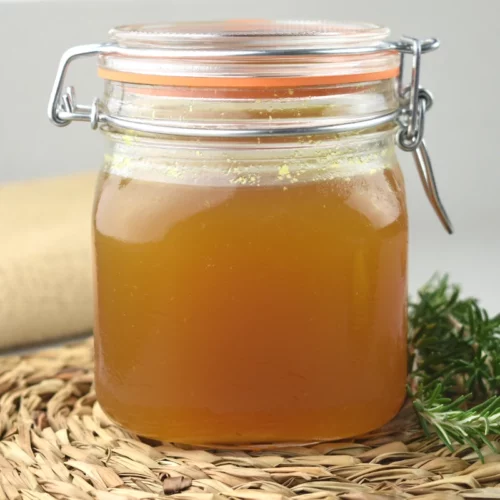
Easy Bone Broth Recipe
Equipment
- Slow cooker optional
Ingredients
- 2 tbsp apple cider vinegar or any mild vinegar
- 4 lb mixed bones (About 2 kilos) beef knuckles, oxtail, chicken drumsticks, pork spine, marrow bones.
- 1 onion
- 2 carrots
- 2 leeks
- 1 celery stalk
- ½ white cabbage
- 2 turnips
- 4 garlic cloves
- 1 tsp turmeric
- ½ tsp ginger powder
- ½ tsp onion powder optional
- 4 bay leaves optional
- 4 tsp sea salt
- 5 liters filtered or mineral water 1.3 gallon
Instructions
- Roast the bones: Place bones on a baking tray and roast at 180°C (350°F) for 30 minutes to enhance flavor.
- Soak with vinegar: Transfer bones to a large stockpot (9 qt recommended). Add 1.3 gallons of water and vinegar. Let rest for 30 minutes before heating.
- Prepare vegetables: Peel and chop the vegetables. Add them to the pot along with garlic, spices, and salt.
- Bring to a boil: Heat until it starts boiling, then skim any foam that appears.
- Simmer slowly: Reduce heat to very low, ensuring a gentle simmer. Cook for at least 12 hours, ideally 16–18 hours. You can use a slow cooker pot.
- Cool and store: Allow to cool, strain the broth, and store in glass containers. Refrigerate overnight and remove the solidified fat the next day.
- Optional concentration: Reduce the broth further to obtain a concentrated gelatin, perfect for freezing in ice cube trays and using later.
Notes
- Drink it warm as a consommé.
- Use as a base for soups, stews, and purees.
- Freeze in small portions to flavor sauces or meat dishes.
- Add to legume stews for extra nutrition and depth of flavor.
Mcarmen
Me recuerda a la que hacía mi yaya
missblasco
Hola M. Carmen, esta es una receta clásica, de las que se han hecho siempre. Gracias por tu comentario, saludos! 😉
Jor
Hola bella. Ya lo realice 3 veces sin verduras solo ajos. Mi consulta en la tabla nutricional están los macros por porción. Puedes decirme con esta receta cuantas porciones entran y de cuantos ml ?
Muchas gracias 😘
missblasco
Hola Jorge, de manera aproximada, suelo obtener unos 4 litros de caldo, si los divides entre 12 porciones, te sales unos 330 ml por ración, todo esto es aproximado, pero es así como está calculado. Y lo que aporta este caldo fundamentalmente son vitaminas y minerales, y no tantos macronutrientes, aunque obviamente sí los hay, hay grasa, hay proteínas y también algo de carbohidrato. No sé si te he aclarado algo.
Saludos y gracias por comentar. 😉
Liliana
Excelente la explicacion y muy buenos los graficos
una pregunta : ¿¿¿ los huesos se pueden usar( una vez maz) nuevamente??? Vi en otros sitios que lo reutilizan una vez mas si el paso de colocar al horno
Cariños
missblasco
Hola Liliana! Muchas gracias por tu comentario, verás, los huesos se pueden reutilizar una vez más, pero yo no suelo hacerlo porque aprovecho toda la carne que llevan pegada alrededor. Lo que también se puede hacer es usar huesos de piezas de carne de otras preparaciones, por ejemplo, si has horneado un pollo, deshuesarlo y usar esos huesos para un caldo.
Saludos cordiales! 🙂
Ligia María
Hola!
Ya tengo listo el caldo de huesos. Me quedo espectacular!!
Pero no se cómo utilizarlo porque no se las cantidades que se necesitan.
No soy muy buena en la cocina y todo lo hago con medidas. Me puede ayudar con esto por favor?
Por ejemplo, para hacer un consomé individual que cantidad utilizo?
missblasco
Hola Ligia, para preparar consomé es suficiente con 1 taza y media de caldo por comensal, que corresponde a unos 330-350 ml de caldo. Ponlo a calentar y añade la carne desmenuzada o un poco de cebolleta pochada. También puedes usar el caldo cuando hagas una crema de verduras, por ejemplo, una crema de coliflor, o de calabaza, en lugar de usar agua, usa un poco de caldo y el verás cómo la crema tiene un sabor mucho más potente y delicioso.
Gracias por tu comentario y saludos! 😉
Eugenia
Hola. Me faltan algunas verduras que me gustaría añadirle. ¿Podría hacerlo durante el proceso?
Gracias
missblasco
Hola Eugenia, claro que sí, puedes poner primero la carne, desespumar para limpiar el caldo y luego añadir las verduras. Al tratarse de una cocción larga no hay problema. Saludos y gracias por tu comentario.
Diana Jiménez
Hola, es genial esta receta! Ya la empecé a hacer. Pedí tomar el caldo solo en ayunas? Es decir hago ayuno intermitente y vi cómo mi cabello empezó a caerse, me pasaron esta opción y quería si podrían confirmarme si puedo tomar el caldo solo? Gracias mil
missblasco
Hola! Claro que puedes tomar el caldo en ayunas, una buena forma de tener siempre caldo listo es hacerlo bien concentrado y congelarlo en cubos, cuando vayas a usarlo lo descongelas en el microondas o en una olla y listo. Este caldo está lleno de nutrientes que ayudarán a enriquecer tu dieta. Saludos! 😉
Haydee
Excelente ya lo hice 2 veces y estoy encantada. Dejo 2 potes en el freezer para guiso y lo dejas lo consumimos. La carne queda espectacular muchas gracias. Una delicia
missblasco
Hola Haydee! Me alegro mucho de que te guste! Es una de mis recetas favoritas en invierno, la preparo continuamente y hago lo mismo que tú, lo guardo en el frigorífico y lo voy usando poco a poco, es muy práctico. Saludos!
Erika
Gracias por la receta, excelente explicación, quisiera saber si puedo usar la olla express y cuánto tiempo sería, serían menos horas?
missblasco
Hola Erika, efectivamente puedes hacer el caldo en una olla a presión y en 1 hora, o hora y media lo tendrás listo. La cocción larga le da otras características y ayuda a extraer más nutrientes de los huesos, a provecharlos más, pero sin duda se puede hacer en olla a presión y también estará muy rico. Saludos y gracias por tu comentario y la valoración. 😉
Angelina
El caldo me parecio impresionante aunque todavia no lo hise al ver las fotos de presentavion pues dan ganas de probarlas. Una pregunta .¿es necesario hervirlo el caldo 15 o 17 horas me parece mucho tiempo si ago hervir unas tres horas nada mas como saldra mi caldo?
missblasco
Puedes hacer un caldo de 3 horas de cocción sin ningún problema, pero si quieres sacar todos los nutrientes de los huesos y aprovecharlos al máximo te recomiendo que lo tengas unas 12 horas como mínimo. Saludos.
Alma Delia
Quiero hacer el caldo pero no cuento con horno qué pasa si no horneo los huesos y me voy directo a ponerlos en el agua con el vinagre? Saludos empiezo ayuno cetogenico el lunes y me gustaría empezar a prepararlo el sábado, gracias
missblasco
Hola, puedes sofreír los huesos en la misma olla antes de añadir el agua y el vinagre, o puedes empezar el caldo sin más, realmente no es necesario hacerlo, es porque aporta más sabor. Saludos!;)
Alma Delia
Muchas gracias justo así lo hice después te cuento cómo quedó
ANA
GRACIAS POR EL PASO A PASO, PUEDO PONERLOS EN CUBETERA PARA HACER CALDITOS Y POR EJEMPLO USAR UN CALDITO PARA HACERME UNA TAZA DE CALDO ANTES DE UNA COIDA.?? ES DECIR UN CALDITO EN UNA TAZA DE AGUA HIRVIENDO. GRACIAS
missblasco
Hola Ana, este caldo es perfecto para congelar, si lo quieres disolver en agua hirviendo, procura hacerlo muy concentrado, así no perderá sabor. Yo lo suelo congelar en cubiteras grandes de silicona, cada cubo es media taza aproximadamente, para tomar una taza descongelo dos cubos y listo. Si concentras mucho el caldo, no habrá problema para disolverlo en agua. Espero haberte ayudado. Saludos!;)
Jonathan
Hola, los huesos deben ser orgánicos si o si? Porque es difícil conseguirlos y quedo saber si es peligroso usar huesos comunes de pollo y res.
Gracias por la receta!
missblasco
Hola Jonathan,
puedes usar los huesos de pollo, ternera, cordero, etc que quieras, no es peligroso en absoluto, siempre y cuando los compres en un establecimiento de confianza.
Se pueden usar huesos de ganadería orgánica si se encuentran, pero sé que en muchos lugares esto no es fácil.
Prepara tu caldo con un buen producto y no te preocupes.
Gracias por tu comentario.
Saludos! 😉
Laila
Hola, estoy haciendo el caldo en una olla Essen y se me consume el agua todo el tiempo. Solo me pasa a mi eso? 🤔 Está bien agregarle agua? Lo dejé tapado toda la noche y estaba todo seco y pegado 🙈. Si no le agrego agua todo el tiempo no me queda ningún caldo.
missblasco
Vaya! Me parece difícil que se pueda consumir el caldo, igual estás usando una olla muy pequeña. Con la cantidad de huesos que se le suele añadir, es necesario usar una olla bien grande y añadir unos cuantos litros de agua, en mi olla añado 5 litros, así es imposible que se quede sin agua. Siento mucho que te saliera mal, pero como te digo, si usas una olla grande, una de 9 o 10 litros, y añades 5 o 6 litros de agua al caldo, seguro que no se queda seco. Saludos!
Denise
Hola quisiera saber cuánto tiempo de cocción se necesita en caso de usar una olla a presión .
Muchas gracias
missblasco
Una horita será suficiente. Saludos! 😉
Elvira Montoya
Hola, agradezco la claridad con que explicas la elaboración del caldo de huesos, en especial tratar el tema de la simplicidad, no todas las personas poseemos elementos de avanzada tecnología en nuestras cocinas. Muchas gracias, fue un placer leerte.
missblasco
Hola Elvira, me alegro de que te haya gustado el artículo, y como bien dices, no todos tenemos de todo y tampoco es necesario que así sea. Saludos y gracias por leerme. 😉
MIRIAM
Gracias por la receta ! Yo tengo una moulinex i-companion, sabes si puedo hacerlo con esta, cuántos grados de cocción debería poner durante 12h?
Saludos,
missblasco
Hola Miriam, nunca he usado ese robot de cocina, pero imagino que sí se puede hacer un caldo con él, deberás adaptar la cantidad de ingredientes al tamaño del recipiente y seleccionar el modo de cocción lenta, en cuanto a la temperatura, entre 80 y 90ºC debería ser suficiente. Muchas gracias por tu comentario y por leerme. Saludos!
Lourdes
¡Hola!
Estoy haciendo el caldo de huesos de pollo y de ternera con las verduras que has puesto en la receta, bueno me faltaba alguna pero lo he hecho igualmente, huele de maravilla, es una pasada. Lo que pasa que la olla más grande que tengo es de 3 Litros de agua junto con los huesos y la verdura, no me cabe más agua, le puedo echar más agua si se consume un poco el caldo?
Gracias
missblasco
Hola, claro que puedes añadir agua, cuando veas que se ha reducido, añade el equivalente, puedes hacerlo varias veces, el caldo es tan potente que te quedará súper sabroso igualmente. Me alegro de que te guste y garcias por tu comentario. Saludos! 😉
Iris
Hola!
Soy nueva en esto y me encantaría hacer la receta, solo tengo un pregunta los hueso que necesito usar deben estar limpios de carne ? O puedo usar piezas del pollo que contienen huesos y carne? Por ejemplo puedo hacer este caldo con muslos piernas alas completas o solo deben de ser los hueso?
Gracias de antemano y me encanto la manera en la que explicas los beneficios y das la receta.
missblasco
Hola! Por supuesto que puedes añadir huesos que tengan carne, yo suelo añadir muslo y contramuslo de pollo o gallina y después la carne está deliciosa para preparar una sopa de menudillo o un consomé, sin necesidad de añadir fideos o pasta de ningún tipo. A mi me encanta desmenuzar la carne, añadir jamón cortado en taquitos y un huevo duro desmenuzado.
Muchas gracias por tu comentario y espero que el caldo te salga fenomenal.
Saludos! 😉
Mónica
Hola, es la primera vez que te leo y simplemente “Eres Espectacular, Excepcional” me encantó tu receta, explicas tan claro que todos entendemos y por sobre todas las cosas, nos respondes todas las dudas, De verdad que al leer los comentarios todas mis dudas se fueron. Gracias por regalarnos un poco de tus conocimientos a tantas que no sabemos mucho de todo esto. Muchísimas Gracias!!.
missblasco
Hola Mónica! Muchísimas gracias por tus palabras, me alegra mucho que te gusten los textos, intento explicar de forma clara y sencilla cada receta y qué motivación hay detrás de cada una de ellas.
Comentarios como el tuyo me dan mucha fuerza para seguir adelante.
Gracias de corazón!
Francesca 😉
Gimena
Hola!, según vi un comentario más arriba, se puede hacer en olla a presión. Basta con una hora de cocción?
y gracias por la receta!
missblasco
Claro que sí Gimena, se puede hacer en la olla que quieras. En olla rápida una hora es suficiente.
Irene
Hola
Entonces saldrían todos los nutrientes sin necesidad de estar doce horas, si lo hacemos con un olla a presión o pierde calidad en los nutrientes.
Gracias
missblasco
Hola Irene, la manera de extraer todos los nutrientes es añadiendo el vinagre antes de empezar la cocción, hazlo con olla exprés si te resulta más cómodo. Saludos!
patricia
hola!!! muchas gracias por tu explicacion, solo tengo una duda..en una olla de presion, en cuanto tiempo estaria?? muchas gracias
missblasco
Una hora aproximadamente. Saludos!;)
Cony
Hola
Estoy en proceso de enullicion del caldo, lo debo dejar destapado? O tapar
missblasco
Hola Cony, siento haber podido contestar antes, yo cuando hago este caldo o cualquier otro, suelo tapar la olla y dejarlo a fuego muy bajo para que vaya cociendo lentamente. Si dejas abierta la olla todo el tiempo, se evaporará mucha cantidad de agua. Saludos, y gracias por comentar.
Carmen
Me gustaría saber si se puede añadir hueso de jamón serrano. Gracias
missblasco
Hola Carmen, claro que puedes añadir hueso de jamón, todos los huesos son bienvenidos en esta receta. Saludos! 😉
Daferlyn
Hola! De antemano gracias por tener este espacio para compartir tan maravillosa receta. Yo actualmente la comencé a hacer para mis perros pues estoy dándoles la dieta barf y el caldo de huesos es un tremendo suplemento, y que bueno que para mi también lo es. Yo adapté la receta para ellos y por supuesto no faltó el vinagre. Tenia algunas dudas y al leer los comentarios y ver tus respuestas fue un gran alivio porque no hallaba respuestas en otros sitios. De verdad mil gracias por responder y despejar nuestras interrogantes con lo clara que eres al explicar. Saludos desde Venezuela.
missblasco
Daferlyn, muchas gracias por tu comentario, me alegro mucho de que esta receta te sea útil a ti y también a tus perros. Un abrazo! 😉
Monica
Que rico poder hacerlo con el hueso de jamon serrano!
Desde ahora incorporo el vinagre, muchas gracias!
missblasco
Estupendo! Gracias a ti! 😉
Pilar
Hola! Todo lo que tenía para preguntar ya lo contestaste, me encanta su sencillez y humildad, y la calidez al respondernos a todas y todos. Gracias por esta magnífica receta y la voy a hacer hoy sábado para el domingo. Me gustaría saber si tenes recetas para dietas cetogénicas. Y como podría comunicarme contigo. Gracias buen fin de semana!
missblasco
Hola Pilar,
en primer lugar quiero darte las gracias por tus palabras, me alegro mucho de que te guste esta receta y de que te parezcan sencillas y aclaratorias las respuestas, es precisamente lo que busco, que se entiendan los conceptos con facilidad.
Respondiendo a tu pregunta sobre recetas ceto, sí, en esta página tienes muchas recetas que se enmarcan en una alimentación keto porque yo la practico por temporadas largas, para encontrarlas, escribe la palabra KETO o CETOGÉNICA en el buscador del blog y te aparecerán la mayoría de ellas. Te recomiendo: el “pan” keto de 3 ingredientes en microondas, muy útil para preparar sliders o tostaditas.
Para ponerte en contacto conmigo, en el menú principal de la página, hay una pestaña que dice “sobre mi”, si la despliegas, encontrarás el apartado “contacto”, ahí me puedes escribir, te contestaré lo antes que pueda.
Una vez más, gracias por tu comentario y saludos cordiales! 😉
Andrea
Hola gracias por la receta, tenga una pregunta con respecto a la olla pita dora u olla exprés, se podría usar?
missblasco
Hola Andrea,
sí se puede hacer en olla exprés, lo que pasa es que al ser un proceso más rápido, no se obtendrán tantos nutrientes de los huesos, pero como cualquier caldo o consomé, se puede hacer en olla rápida. Saludos! 😉
Ysi
Hola, puedo hacer el caldo de huesos en una olla a presión a fuego lento? De ser así por cuanto tiempo lo dejo en la estufa. Mil gracias por la respuesta!!
missblasco
Hola, en olla a presión con una hora será suficiente, desde el momento en que sube la válvula. Saludos y gracias por comentar! 😉
Cynthia Bravo Alcázar
Hola, te escribo desde México, mil Gracias 😊 por tu receta tan detalla. Solo tengo una duda, si no se hace gelatina no sirve el caldo de huesos? Porque a mi no se me hizo gelatina ☹️ Lo hice en olla de cocción lenta por casi 24 horas, agregué el vinagre antes de encender la olla. Ojalá que pudieras responderme.
Saludos desde Mexico 🇲🇽
missblasco
Hola!, la gelatina se forma cuando reduces el caldo, es decir, cuando eliminas el agua y solo queda la gelatina resultante de los huesos. Este paso no es necesario, cuando consumes el caldo recién hecho esa gelatina está disuelta en él, si optas por reducirlo, obtienes un caldo concentrado que puedes guardar en cubitos y puedes usar “a posteriori” para otras preparaciones. Gracias por tu comentario, espero que mi respuesta haya sido aclaratoria. Saludos! 😉
carolina
Hols!Consulta se puede empezar hacer durante el dia, apagar el fuego a la noche y volver a cocinar por la mañana? gracias por la respuesta!
missblasco
Hola Carolina, sí se puede hacer lo que dices. Muchas gracias por tu comentario.;)
Adriana Barroeta
¡Hola! Muchas gracias por tu detallada explicación de la receta del caldo de huesos. Quería saber si puedo usar vinagre blanco, el que comúnmente se usa para las ensaladas o necesariamente tiene que ser uno de ssidra de manzana u otro más suave. ¡Gracias por tu respuesta! Saludos y bendiciones desde Venezuela.
missblasco
Hola! puedes usar vinagre de vino blanco sin problema, ¡Gracias por tu comentario! 😉
Myriam Doldan
De Paraguay le escribo. Muchas gracias por la receta. Y los comentarios que ayudan mucho a sacar todas las dudas. Usted es muy amable. Saludos.
missblasco
Muchas gracias a ti por leerme, me alegro de que te haya sido útil la receta. Es verdad que los comentarios ayudan mucho porque son las dudas de mucha gente que suelen repetirse. Saludos!! 😉
Bàrbara
Muchas de gracias, por la receta!! Tengo dudas, con la grasa solidificada, se puede hacer alguna cosa? Cuánto tiempo en la nevera? Cuánto en el congelador? Se puede hacer una segunda tanda, si está hecho en olla express? Espero tus consejos, mil gracias!
missblasco
Hola Bárbara, yo la grasa solidificada no la uso, la retiro. El caldo se conserva en la nevera 5 días, se puede hacer el domingo para ir consumiéndolo durante la semana. En el congelador puede estar durante meses, 3-4 meses perfectamente, si está bien envasado no hay problema.
Si lo haces en olla exprés y usas muchos huesos y los doras bien en el horno antes de hacer el caldo, podrías hacer una segunda tanda, pero en una olla más pequeña, y con verduras nuevas, obviamente, yo no lo suelo hacer, suelo hacerlo una vez, y aprovechar toda la carne que hay en los huesos, la verdad es que se le saca mucho rendimiento.
Espero haberte ayudado! Muchas gracias por tu comentario! 😉
Mercedes
Mi pregunta es.. y si haces lo mismo pero en una olla a presión 2 horas??, obtendrias el mismo resultado?? O no???!
missblasco
Hola Mercedes, se puede hacer en olla exprés, quedará un caldo rico, concentrado y con sabor, pero para sacar todo el colágeno de los huesos, lo mejor es una cocción larga a baja temperatura. Saludos!
Margarita Sureda
La mejor manera de hacer un caldo!!! Buenísimo!! Gracias 👏🙂
missblasco
Hola Margarita, el caldo de huesos es una maravilla especialmente si tenemos en cuenta las propiedades nutricionales que nos aporta. A mi me encanta. Gracias por tu comentario y por la valoración. 😉
Carmen
Hola! Muchas gracias por la información, cocí un pollo entero para comer en partes y quisiera saber si puedo usar esos mismos huesos usados, si es higiénico y si lo debo rostizar antes de meterlos a la olla de presión lenta, mil gracias!
missblasco
Hola, si que puedes usar los huesos, no hay problema, si los pasas por el horno antes, les sacarás más sabor. Saludos! 😉
Susana
Hola me cuesta entender que cantidad de medida de hueso y cuanto de agua ? Y lo más difícil es saber cuanto debo tomar a diario ?
Porque leo un cubito de la cubetera de hielo y luego dice una tasa y media . Entonces no me queda claro y la idea es hacerlo una vez a la semana para que me dure el mes ..
missblasco
Hola Susana,
yo uso una olla de 8 litros y pongo huesos variados, como guía puse en la receta 2 kg de huesos, pero es opcional, pueden ser menos si tu olla es más pequeña. La cantidad de agua será la que admita tu olla cuando ya estén todos los ingredientes dentro, en mi caso entre 5 y 6 litros.
En cuanto al consumo del caldo, es totalmente personal, puedes tomar una taza a diario, especialmente en invierno cuando más apetece. Cuando lo congelo lo hago en porciones, más pequeñas si está concentrado, para después añadirle un poco de agua antes de consumir. Espero haber aclarado tus dudas.
Gracias por leerme.
Saludos. 😉
Elisa
Duda: el agua se va consumiendo…. Se le agrega mas en la cocción? Gracias. Super clara tu explicación!
missblasco
Hola Elisa, en función de cómo prepares el caldo se consumirá más agua o menos. En una olla convencional, reducirá más, aunque nunca será mucho porque hay que cocinar a fuego muy lento, pero si al cabo de 10-12 horas ves que ha bajado mucho, puedes añadir 500 ml más, por ejemplo, como el caldo es muy concentrado seguirá siendo sabroso. Si lo preparas em olla de cocción lenta (eléctrica), no reducirá tanto y se concentrará mucho más.
Muchas gracias por tu comentario y por tu valoración.
Saludos!
Cris
Hay que tapar durante la cocción?
missblasco
Hola Cris, es conveniente que esté tapado, ten en cuenta que debe cocerse a fuego muy bajo, y la evaporación será mínima, aún así, si lo dejaras destapado durante todo el tiempo evaporaría demasiado.
Gracias por tu consulta.
Saludos 😉
Yolanda
Hola , muchas gracias por la receta , es genial . El paso de asar se puede omitir ? O es súper necesario , es que no tengo horno . Gracias
missblasco
Hola Yolanda, ese paso se puede omitir.
Dorar los huesos se hace para mejorar el color del caldo y también aporta sabor, pero no es imprescindible.
Gracias por tu comentario y por la valoración.
Saludos! 😉
Rox
Gracias por la receta. Lo hice en una olla grande pero, de 5 litros de agua, solo rescate dos frascos de caldo. Como dos tazas grandes, digamos. Otra cosa: me sobro bastante carne de los huesos y ademas todas las verduras en la olla. Que se hace con eso? La carne ya lei que se usa en consome. Las verduras se pueden poner en la licuadora y hacer como una crema, y agregarlo un poco del caldo? Gracias.
missblasco
Hola, supongo que tu caldo evaporó bastante agua durante la cocción, no importa, el caldo resultante será mucho más concentrado, y con más gelatina, pura medicina!.
Con la carne desmenuzada suelo preparar sopa y consomé, y yo normalmente las verduras las descarto, porque están muy muy cocida y deshechas y realmente ya han soltado todos sus nutrientes en el caldo, pero si quieres las puedes aprovechar, por ejemplo, las trituras y las añades a la sopa, así harás que espese y tenga más consistencia.
Espero haber aclarado tus dudas.
Un cordial saludo 😉
Julio
Está muy buena esta receta ya que de verdad ignoraba una forma natural de obtener el colageno tan importante para nuestro organismo y a la vez como dieta, muy bueno, los felicito…
missblasco
Muchas gracias Julio, me alegro de que esta receta te ayude a mejorar la dieta
Saludos cordiales. 😉
Euge
Hola mi pregunta es… la grasa q retiro la puedo usar p cocinar en reemplazo de aceite p q no se pegue la comida?o se debe deshecha?
missblasco
Hola Eugenia, la grasa del caldo de huesos es mejor desecharla, se trata de una grasa saturada. Para cocinar es mejor usar aceite de oliva.
Gracias por tu comentario y por la valoración.
Saludos! 😉
Cecilia
Hola! Quería saber lo siguiente. Es posible continuar con la cocción al día siguiente o una vez que se apaga el fuego no se puede retomar y hay que colar el caldo?
missblasco
Hola Cecilia, en realidad lo ideal es hacer la cocción continua, la razón para eso es que no se deben dejar a temperatura ambiente alimentos como la carne durante mucho tiempo. Es decir, para mantener un plato de carne hasta su momento de consumo de forma segura, o bien dev¡be estar a una temperatura superior a 65ºC o refrigerado a una temperatura inferior a 8ºC. Por lo tanto, una vez se inicia la cocción, lo más seguro es realizarla hasta el final.
Saludos y muchas gracias por plantear tu duda.
Daniela
Estoy terminando un ayuno de 72 horas y me han aconsejado el caldo de huesos para reparar y preparar el revestimiento interno del estómago e intestino. Esto es por la presencia de aminoácidos y glicina Ademas ayuda con crecimiento de musculatura y nos hace menos resistente a la glucosa. Es un súper alimento!!!
Intentaré hacerlo todas las semanas, el caldo, no el ayuno de 72 horas😜
missblasco
Muchas gracias por tu comentario Daniela, y por la valoración.
Como bien dices, el caldo de huesos tiene una densidad nutricional muy elevada y nos ayuda en muchos procesos básicos. En el caso de las mujeres mayores de 40 años, los requerimientos de determinados aminoácidos aumentan y debemos estar muy atentas, esta receta nos puede ayudar a alcanzarlos.
Comentas que estás terminando un ayuno de 72 horas, sin duda el caldo de huesos es un alimento ideal para la readaptación después de un ayuno. Enhorabuena por ese logro!
Saludos,
Francesca.
María Julia
Hola Muchas gracias por compartir tus recetas. Pregunta: Es posible cocinar durante 12 o 14 hs, apagar el fuego durante unas 7 horas y al día siguien te retomar la cocción por otras 12 o 14 hs? Esto alteraría el resultado finall ? mdeben ser 24 hs corridas? GTengo una olla común y no tengo valvuls e seguridd en las ornallas de la cocina. Muchas gracias
missblasco
Hola Maria Julia, yo creo que lo mejor es cocinar el caldo de una sola vez. Si no puedes tener la olla al fuego durante 24 horas, es mejor que hagas el caldo durante 12 o 14 horas, por seguridad evita dejarlo a temperatura ambiente durante toda la noche.
Saludos y gracias por tu comentario.
María Julia
Buens tardes! muchas graciasd por tu consejo. Ya hice el caldo y lo tuve toda la noche en coción lenta. Con la precaucikón de cada tanto , por la noche levantarme a controlar. Creo que me salió muy bien, recien lo colé y lo noto un poco turbio.Tengo otra consulta: Puedo guardar el c aldo de huesos en frascos de vidrio de tapa axial y luego hervir los frascos para esterilizar? cuanto tiempo durarían en este caso?
missblasco
Hola de nuevo, me alegro mucho de que el caldo te saliera rico, ahora tienes un súper alimento lleno de nutrientes y colágeno fabuloso para la salud. Para guardarlo yo te aconsejo, 4 días refrigerado en botes de vidrio y si te ha salido mucho y no lo vas a consumir en ese tiempo, lo mejor es congelarlo. No me arriesgaría a esterilizar los botes ya que no es tarea fácil. Si lo congelas vas a mantener todos los nutrientes intactos, y es muy cómo ir sacando lo que necesites.
Saludos y gracias otra vez por comentar!
María Julia
Muchas gracias! voy a leer bien como lo tengo que consumir y te cuento los resultados, Saludos
missblasco
Genial! 😉
maría Julia
Traté de mandarte una foto pero no está habilitada la posibilidad. Pero igual te comento que me salió bastante cantidad pero no tan limpido como el tuyo. Yo lo colé con un colador muy fino pero sigue opaco. Tendré que filtrarlo con lienzo? o será que la los huesos de cerdo y le agregué algunos de pollo? disculpá tantas consultas. Muchas gracias
missblasco
Hola María Julia, no te preocupes si el caldo está turbio, cuando lo dejes reposar, las pequeñas impurezas quedarán en el fondo y se verá más claro, de todas formas eso no es un problema. Seguramente es porque los huesos que añadiste se han deshecho en parte. Al ser huesos más blandos resisten menos tiempo. Pero no es un problema. Me alegra mucho saber que hiciste la receta y que te ha gustado. Cualquier receta hay que hacerla muchas veces para perfeccionarla, ya verás como cada vez lo harás mejor.
Saludos cordiales!
Maite Rodríguez
Hola! He visto que hacen caldo de huesos sin sabor. Obviamente no le colocan verduras ni sal. Para poder usarlo en jugos, agua saborizada, etc. Quería saber cómo se hace. Sobre todo en los huesos de carne bovino! Gracias
missblasco
Hola Maite, siento no poder ayudarte con esta duda. Supongo que se hará de manera industrial, igual que las proteínas en polvo, hacerlo en casa no sé si se puede. Saludos!