How to combat bloating
How to Combat Bloating: Strategies for a Flatter, Healthier Belly
Getting rid of bloating may not seem easy, but there are specific strategies that can help you achieve it.
You likely already know that certain foods don’t sit well with you. You are trying to establish a link between what you eat and how you feel afterward, but tying those loose ends together can be difficult. Was it the lentils? The bread with garlic sauce? Or perhaps that delicious, sweet panna cotta you enjoyed so much?
Whatever the culprit, shortly after finishing your meal, your belly swelled like a balloon, leaving you with no choice but to wait it out.
If these thoughts overwhelm you, the first step is to learn more about food characteristics, why certain digestions are complicated, and how they affect you personally.
Seek Professional Guidance, Not Miracle Cures
There are many reasons why you might feel bloated occasionally, but if it has become a permanent condition, you must find the underlying cause.
The most recommended path is always to visit a doctor or consult a registered Dietitian-Nutritionist with formal academic training and experience in these cases.
Forget about “influencers” and smoke sellers promising quick weight loss or a flat belly through miracle products; in the long run, your health will pay the price.
Functional abdominal distension is a prevalent condition that negatively impacts general well-being and quality of life. Therapy can be directed at intestinal motility, muscle tone, the microbiota, visceral sensitivity, diet, or even psychological co-morbidity.
An individualized and multidisciplinary approach is essential.
Bloating is not just a physical discomfort, it is a sign from your body that your digestive harmony has been disrupted.
What Exactly Is Bloating?
When I refer to bloating, I am talking about that sensation, especially common in women, that develops progressively as the day goes on. It creates a feeling of discomfort, makes your clothes feel tight, and can even cause abdominal pain.
Usually, you wake up with a “flat” belly. After breakfast, the first symptoms may appear, but it is typically after lunch when the discomfort peaks. If you feel bloated as the hours pass, start by making these simple lifestyle interventions:
- Avoid gluten for a period of time.
- Eliminate dairy, or reduce its consumption to a minimum.
- Limit legumes, or remove them temporarily to observe your reaction.
- Introduce quality fermented foods, especially plant-based ones (sauerkraut or kimchi are great options).
- Exercise regularly to stimulate intestinal movement.
- Practice intermittent fasting to give your digestive system time to rest. (12 hours fasting by night to start)
Nutritional Options to Fight Bloating
Choosing the right foods is key:
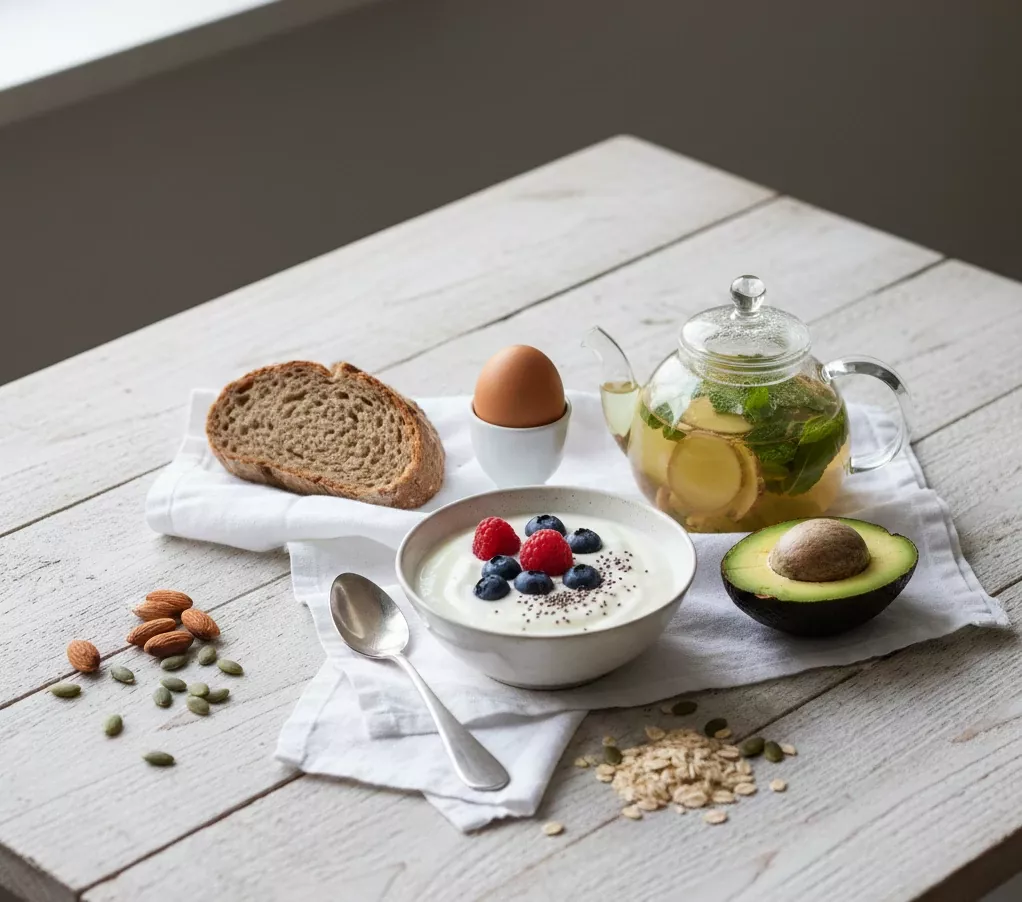
Breakfast: Focus on easy-to-digest proteins (eggs, Greek yogurt, or kefir), healthy fats (avocado, walnuts, or seeds), and low-glycemic, low-fermentation fruits (berries).
Lunch: A simple vegetable cream (zucchini, carrots, and spring onions) followed by grilled chicken seasoned with black pepper and turmeric, served with mushrooms and fresh tomatoes.
Light Dinner: Oily fish (rich in Omega-3), like salmon or Mahi-Mahi, with mushrooms and asparagus. For dessert, more berries are a great choice.
Avoid the “smoke sellers” and miracle products, true digestive health is built on evidence-based nutrition and professional guidance.
5 Essential Tips to Avoid Post-Meal Bloating
Beyond what you eat, how you eat is equally vital for digestive health:
- Chew Thoroughly: Digestion begins in the mouth. Chewing well breaks down food and stimulates saliva production, which helps neutralize stomach acids. Avoid drinking excessive liquids during meals to keep your digestive enzymes concentrated.
- Identify Gas-Inducing Foods: Some foods are more prone to causing gas, such as beans, broccoli, cauliflower, onions, garlic, and certain fruits (bananas, plums, grapes). If you notice a pattern, reduce their intake or swap them for alternatives like papaya, kiwi, or berries.
- Manage Fiber Intake: Fiber is crucial, but if you aren’t used to it, it can cause initial bloating. Increase your intake gradually and drink plenty of water. Start with soaked flaxseeds or chia seeds to benefit from their soothing mucilage.
- Avoid Overeating: Excess pressure on the digestive system leads to distension. Eat smaller portions and eat slowly to allow your brain time to receive the “satiety signal.”
- Prioritize Probiotics: Beneficial microorganisms help maintain a healthy balance in your gut microbiota. Include yogurt, kefir, sauerkraut, or kimchi in your daily routine.
The Importance of Planning
The key to preventing bloating is a personalized diet.
Legumes: If you eat them, ensure they are properly soaked and cooked. If using canned varieties, rinse them thoroughly.
Spices: Enhance your dishes with turmeric, black pepper, and aromatic herbs to aid digestion.
Healthy Fats: Use extra virgin olive oil as your primary fat source.
Cruciferous Vegetables: Broccoli and cauliflower are excellent prebiotics, but if you suffer from bloating, monitor your portions and pay attention to how your body reacts.
The path to a flatter belly starts with understanding your unique triggers and respecting the natural pace of your digestive system.
Conclusion
Restoring your digestive well-being is a journey of self-observation and consistency. By adjusting your habits and putting your biological clock back in sync, you will find that everything begins to flow naturally again.
- Mari, A., Abu Backer, F., Mahamid, M., Amara, H., Carter, D., Boltin, D., & Dickman, R. (2019). Bloating and Abdominal Distension: Clinical Approach and Management. Advances in therapy, 36(5), 1075–1084. https://doi.org/10.1007/s12325-019-00924-7
- Lacy, B. E., Cangemi, D., & Vazquez-Roque, M. (2021). Management of Chronic Abdominal Distension and Bloating. Clinical gastroenterology and hepatology : the official clinical practice journal of the American Gastroenterological Association, 19(2), 219–231.e1. https://doi.org/10.1016/j.cgh.2020.03.056
ANTIINFLAMMATORY DIET, BLOG, GUT HEALTH, HEALTH, INFLAMMATION, NUTRITION