
My 5 Essential Spices
My 5 Essential Spices for Health and Gourmet Flavor
As a clinical dietitian and a passionate cook, I believe that the difference between a “healthy meal” and a “memorable culinary experience” often lies in a single pinch of a potent spice. Spices are the soul of the kitchen; they provide depth, aroma, and character to our dishes without the need for excessive salt, refined sugars, or artificial additives.
Beyond the flavor, spices are concentrated sources of phytochemicals. In my practice, I view them as “functional seasonings”, ingredients that work behind the scenes to lower inflammation, manage blood glucose, and protect our cells. While my spice rack is overflowing with everything from smoky Pimentón de la Vera to citrusy cardamom, there are five staples I simply cannot live without.
Here is a deep dive into my top 5 favorite spices:
1. Turmeric: The Golden Healer (Curcumin)
Turmeric is perhaps the most researched spice in modern nutrition. Its vibrant orange hue comes from curcumin, a polyphenol with extraordinary biological activity. In the food industry, you might see it labeled as E-100, a natural coloring agent, but its value goes far beyond aesthetics.
Clinical Benefits
- Anti-inflammatory Powerhouse: Curcumin is a natural NF-kB inhibitor, making it a powerful ally against inflammatory conditions like rheumatoid arthritis, Crohn’s disease, and ulcerative colitis.
- Cardiovascular & Neuroprotection: Regular consumption supports endothelial function and may help prevent neurodegenerative shifts.
- Antioxidant Support: It neutralizes free radicals and stimulates the body’s own antioxidant enzymes.
Culinary Technology Tip
Curcumin has low bioavailability on its own. To truly benefit, you must apply two kitchen “hacks”: Heat and Piperine. Always sauté your turmeric in a healthy fat (like olive oil or ghee) and add a pinch of black pepper. The piperine in pepper increases curcumin absorption by up to 2,000%.
Spices are the ultimate tool for a nutritionist: they allow us to remove sugar and salt while adding layers of medicinal benefits and gourmet flavor.
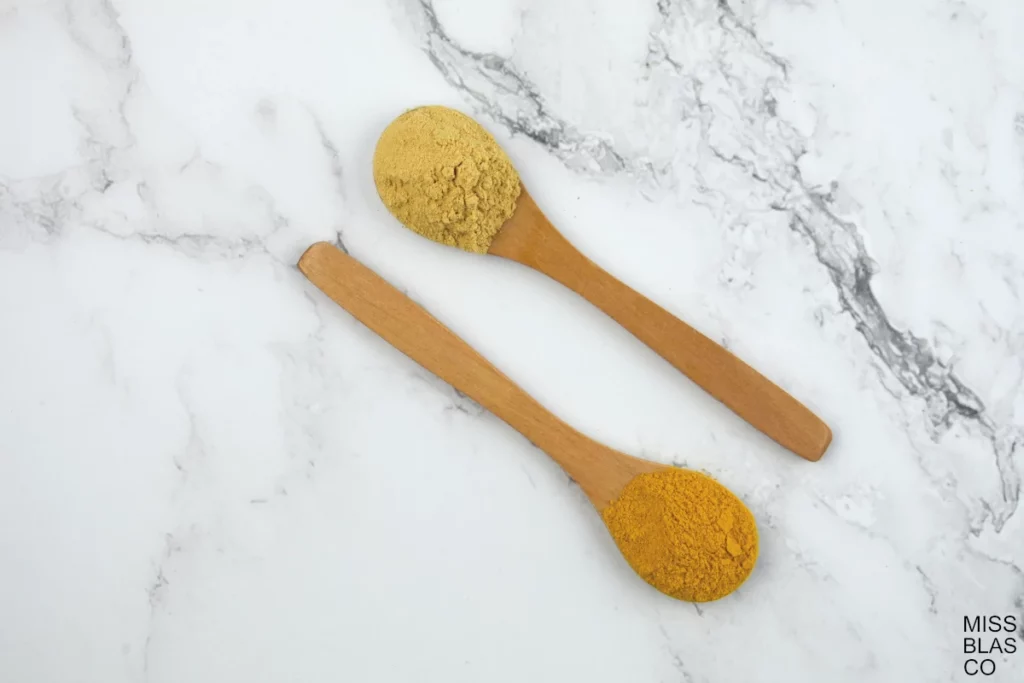
2. Ginger: The Digestive Architect
Ginger (Zingiber officinale) is turmeric’s close cousin, but it brings a sharp, refreshing heat to the palate. Whether used fresh as a juicy rhizome or dried as a concentrated powder, it is indispensable in a functional kitchen.
Clinical Benefits
- Digestive Catalyst: Ginger stimulates the synthesis of digestive enzymes and speeds up gastric emptying, reducing bloating and discomfort.
- Metabolic Health: Continued consumption has been shown to reduce LDL cholesterol and triglycerides.
- Natural Analgesic: It is widely used to treat migraines and alleviate the physical and emotional symptoms of Premenstrual Syndrome (PMS).
Professional Application
The flavor profile of ginger changes with temperature. For a bright, “citrusy” zing in a tofu marinade or a glass of sparkling water, use freshly grated juice. For a warm, earthy depth in a pumpkin cream or grain-free cookie dough, use the dried ground version, which develops more “woody” notes during the baking process.
3. Chili Peppers: The Metabolic Spark (Capsaicin)
If you love a spicy kick, you are doing your metabolism a favor. The “heat” in chili peppers comes from capsaicin, a compound that triggers a thermogenic response in the body.
Clinical Benefits
About Pain Management: Capsaicin is so effective as an analgesic that it is used topically in creams for shingles and neuralgia.
Circulatory Health: It acts as a natural anticoagulant, helping to prevent blood clots.
Antibacterial Properties: It helps maintain a healthy gut environment by inhibiting the growth of certain pathogenic bacteria.
Culinary Technology Tip
When cooking with chilies, remember that capsaicin is concentrated in the white pith and seeds. If you want the flavor of the pepper without the overwhelming “burn,” remove the ribs. If you are a beginner, start by infusing olive oil with dried chilies to control the dosage precisely.
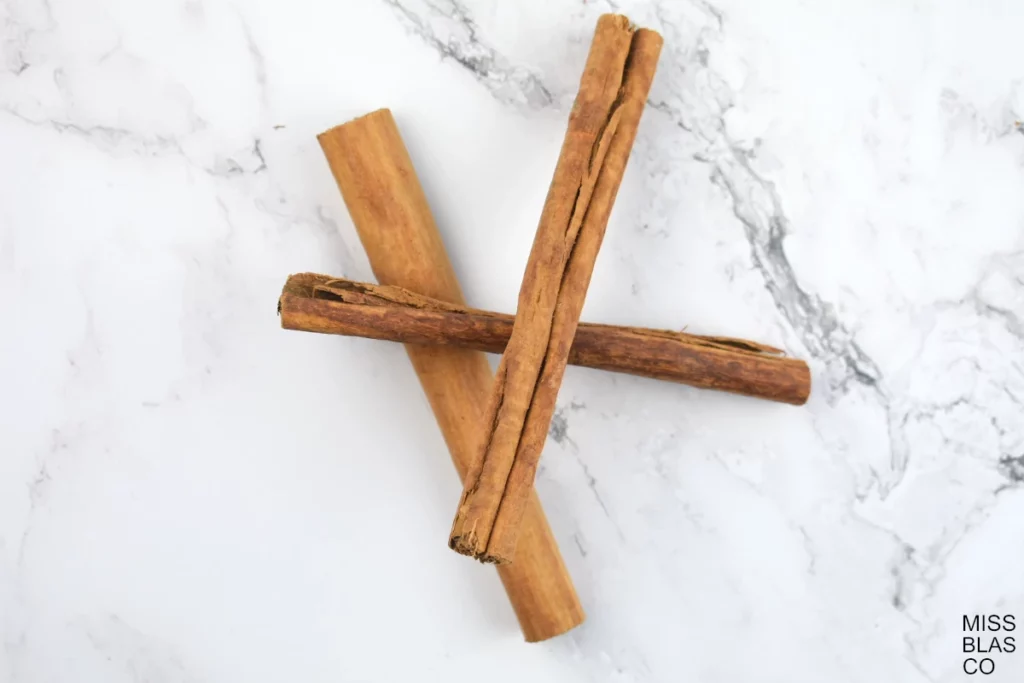
Choosing Ceylon cinnamon over Cassia isn’t just a culinary preference, it’s a vital health choice to protect your liver while managing blood sugar.
4. Ceylon Cinnamon: The Blood Sugar Regulator
Cinnamon is a staple in my low-carb dessert recipes. However, as a nutritionist, I must emphasize a crucial distinction: you must choose Ceylon Cinnamon (Cinnamomum verum) over the common Cassia variety.
Why Ceylon Matters
Cassia cinnamon contains high levels of coumarin, a compound that can be toxic to the liver in high doses. Ceylon cinnamon is safer for daily therapeutic use, containing negligible amounts of coumarin and offering a much more delicate, floral flavor.
Clinical Benefits
- Insulin Sensitivity: This is the “superpower” of cinnamon. It improves the way cells respond to insulin, helping to regulate blood glucose levels.
- Antioxidant Preservative: It protects cells from oxidative stress and even helps preserve food naturally.
- Sleep Aid: A warm infusion of cinnamon can act as a mild muscle relaxant to help you unwind.
Culinary Tip
I use cinnamon as a “sweetness enhancer.” By adding cinnamon to unsweetened apple compote or yogurt, you trick the palate into perceiving sweetness, allowing you to eliminate added sugars entirely.
5. Natural Vanilla: The Fragrant Sophisticate
Natural vanilla is the “queen” of spices. While it is one of the most expensive ingredients in the world (especially the prized Madagascar variety), its chemical complexity cannot be replicated by synthetic essences.
Clinical Benefits
- Nervous System Soother: The aroma of natural vanilla has a profound calming effect on the brain.
- Digestive Aid: It contains eugenol, which offers mild analgesic and anti-inflammatory properties for the digestive tract.
- Hormonal Balance: It is traditionally used to stimulate the production of estrogens.
Culinary Technology Tip
To get the most out of a vanilla pod, split it lengthwise and scrape out the “caviar” (the tiny black seeds). Don’t throw away the empty pod! Submerge it in a jar of erythritol or monk fruit to create a fragrant, sugar-free “vanilla sugar” for your low-carb baking.
Mastering the ‘Turmeric Hack’ (Heat + Fat + Pepper) transforms a simple seasoning into one of the most powerful anti-inflammatory tools in your kitchen.
Ready to cook?
Check out these recipes featuring my top 5:
- Turmeric: Easy Vegetable Curry
- Ginger: Sugar-Free Vegan Carrot Cake
- Chili: Sugar-Free Shakshuka
- Cinnamon: Sugar-Free Applesauce
- Vanilla: Sugar-Free Pumpkin Pudding
What are the 5 spices you can’t live without? Let me know in the comments below.
ANTIINFLAMMATORY DIET, HEALTH, INFLAMMATION, LOW CARB, SPICES
Belen
Buenas tardes, solo darte las gracias por tus consejos, explicaciones y recetas. Te felicito por tu trabajo.
Un afectuoso saludo.
missblasco
Hola Belén, infinitas gracias a ti por tu comentario, me da mucho ánimo.
Un abrazo!
Francesca. 😉