
Easy Spanish Pisto
A Nutritionist’s Guide to “Pisto Manchego”
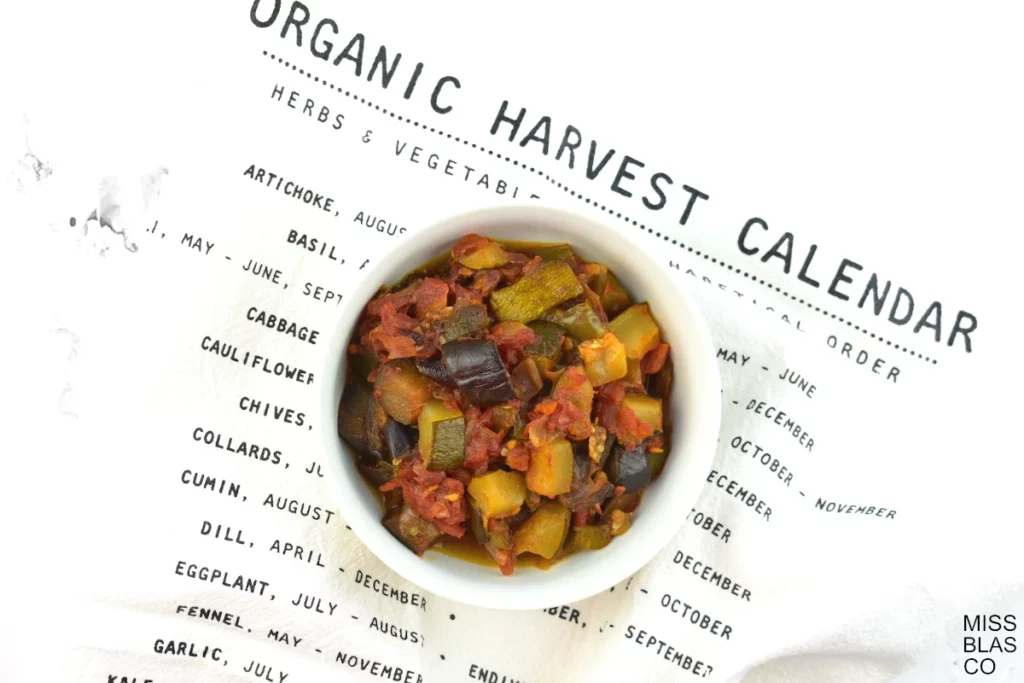
When summer arrives in California, the abundance of local produce, tomatoes, zucchini, eggplants, and peppers, presents a unique opportunity to engage in one of the most health-protective culinary traditions: the Spanish Pisto. Often referred to as “Spanish Ratatouille,” Pisto is far more than a simple vegetable medley. It is a fundamental pillar of the Mediterranean diet, representing a sophisticated method of nutrient concentration and fiber optimization.
Whether the vegetables come from your own garden in Merced, a local farmer’s market, or a trusted neighbor, the peak of summer is the definitive time to prepare this dish. There are no excuses for missing out on the flavor and cellular protection offered by these sun-ripened ingredients.
Batch Cooking and Metabolic Health
From a clinical perspective, Pisto is an exceptionally practical tool for maintaining a healthy lifestyle. I always advise my patients to prepare a significant quantity, a “good batch”, to store in the refrigerator. In the world of nutrition, having a ready-to-eat source of high-fiber, low-glycemic vegetables is the most effective defense against processed food choices during a busy week.
Pisto is not just a side dish; it is a versatile base. It pairs beautifully with high-quality proteins such as poached eggs, grilled fish, or even a small portion of cured ham. Because it consists of real, recognizable ingredients, it provides satiety without the inflammatory markers associated with industrial sauces or refined carbohydrates.
Mastering the Spanish Pisto requires no advanced culinary degrees, only the patience to respect the cooking order and the time each vegetable needs to transform.
The Order of Operations: A Biochemical Necessity
To achieve the perfect texture and flavor profile, you must understand the “why” behind the order of the ingredients. Cooking is, at its core, chemistry. We start with the hardier vegetables and move toward those with higher water content to ensure that every component is perfectly tender without turning into a characterless purée.
1. The Foundation: Onion and Peppers
We begin with the onion and the peppers. These aromatics contain complex sugars that need time to break down and caramelize slightly in extra virgin olive oil (EVOO). This process creates the flavor base known in Spain as the sofrito.
2. The Texture: Eggplant and Zucchini
Next, we introduce the eggplant, followed by the zucchini. Zucchini contains the highest percentage of water and cooks the most rapidly. By adding it later, we preserve its structural integrity. These vegetables are excellent sources of MACs (Microbiota Accessible Carbohydrates), which provide essential fuel for your gut bacteria.
3. The Catalyst: Tomato and White Wine
Finally, we add the tomatoes, preferably peeled to improve digestibility and texture, and a splash of white wine. While the wine is optional, it serves as a solvent, extracting fat-soluble antioxidants from the vegetables and adding a layer of aromatic complexity that elevates the dish.
A authentic Spanish Pisto cannot be rushed, the slow simmering process is essential for the flavors to meld and the vegetable fibers to soften perfectly.
Regional Heritage: From La Mancha to the World
While Pisto is prepared across Spain, it has deep roots in specific regions known for their extensive orchards.
Pisto Manchego: Originating from La Mancha, this is perhaps the most iconic version, often served with a fried egg on top.
Murcian and Valencian Pisto: These variations reflect the “Huerta” (orchard) culture of the Spanish Levant, where the quality of the peppers and tomatoes is world-class.
The reality is that this dish belongs to the entire Mediterranean basin. Its success lies in its simplicity: high-quality vegetables, premium extra virgin olive oil, and a pinch of salt. It is a celebration of “Km 0” cooking, eating what grows near you, when it is in season.
Why “Slow and Low” is Better for Your Digestion
I would be remiss as a nutritionist if I told you this recipe could be made in a matter of minutes. It cannot. A proper Pisto requires a “good while” on the stove. This slow-cooking method at moderate temperatures is beneficial for several reasons:
- Lycopene Bioavailability: The lycopene in tomatoes—a powerful antioxidant—becomes significantly more bioavailable when cooked slowly with a healthy fat like olive oil.
- Fiber Softening: The tough cellulose in peppers and eggplant is broken down, making the dish much easier on the digestive system, especially for those with sensitive guts.
- Flavor Without Sugar: Slow cooking allows the natural sweetness of the onions and peppers to emerge, eliminating the need for added sweeteners often found in commercial tomato sauces.
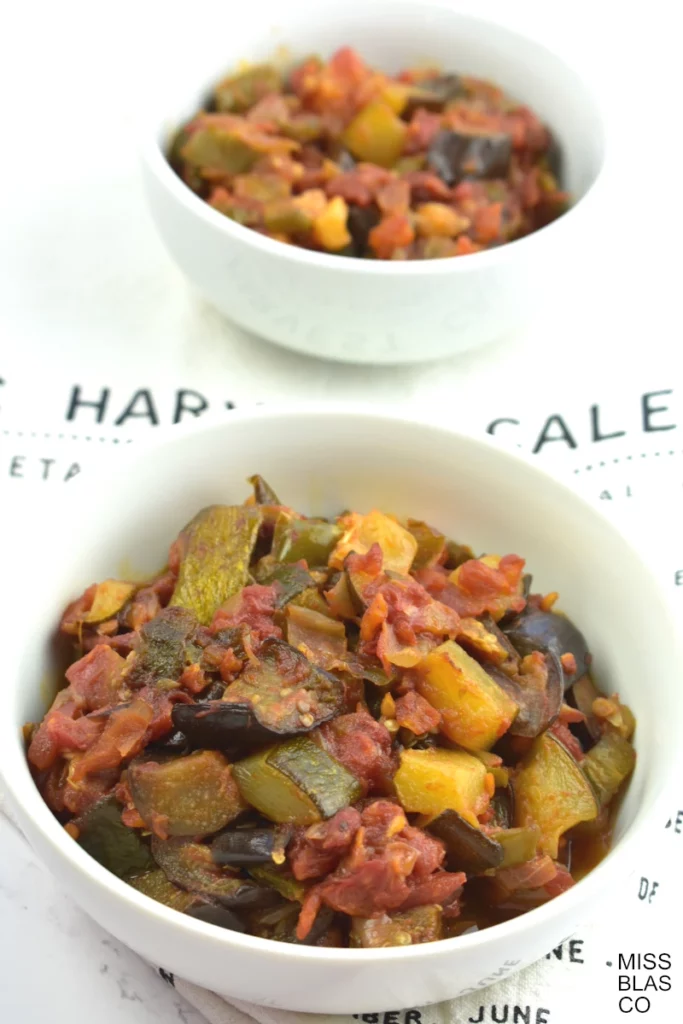
Pisto serves as the ultimate Mediterranean side dish, effortlessly complementing meat, fish, or eggs while providing a rich source of antioxidants.
Culinary Applications: How to Enjoy Your Pisto
The versatility of Pisto makes it a staple for anyone following a “low carb” or “real food” philosophy. Here are my favorite ways to serve it:
- The Classic Breakfast: Reheat a bowl of Pisto and top it with two poached eggs. The runny yolk creates a rich, natural sauce that is incredibly satisfying.
- The Mediterranean Lunch: Serve it alongside a grilled white fish or a piece of roasted chicken. The acidity of the tomato cuts through the protein perfectly.
- The Quick Dinner: Mix cold Pisto with some high-quality canned tuna and a few olives for a quick, nutrient-dense salad.
I am curious to know. Do you have a favorite vegetable you like to add to your ratatouille? Or perhaps a specific way you like to serve it? Tell me in the comments below! I love hearing how you adapt these traditional recipes to your own kitchens.
Related posts:
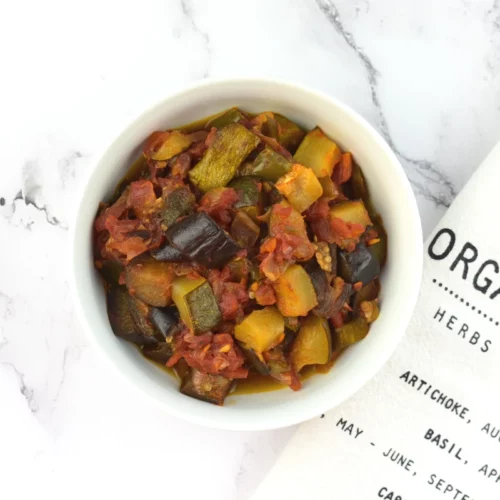
Easy Spanish Pisto
Equipment
- Regular pot
Ingredients
- 1 Onion Finely diced (brunoise)
- 1 Large bell pepper Green or red (diced)
- 1 Large eggplant Cut into cubes.
- 1 Medium zucchini Cut into regular bite-sized pieces.
- 4 Ripe Roma tomatoes
- 1 pinch Sea salt And freshly ground black pepper to taste.
- 2 tbsp Extra Virgin Olive Oil EVOO.
- 1/2 cup Dry white wine Optional, for added aroma and flavor.
Instructions
- Sauté the Onion: Heat the EVOO in a large skillet or pan over medium heat. Add the finely diced onion and sauté until it begins to turn golden brown.
- Add the Pepper: Once the onion is ready, stir in the diced bell pepper. Let it cook until it starts to soften.
- The Eggplant: Add the cubed eggplant to the pan. This vegetable acts like a sponge, so ensure it is well incorporated with the oil and other vegetables.
- The Zucchini: Next, add the zucchini pieces. Season the entire mixture with sea salt and a generous amount of freshly ground black pepper.
- Slow Cook: Lower the heat to medium-low, stir well, and let the vegetables sauté slowly together.
- Prep the Tomatoes (Blanching): While the vegetables are cooking, prepare the tomatoes. Bring a small pot of water to a boil. Make a shallow "X" incision on the bottom of each tomato. Submerge them in the boiling water for 45 seconds, then remove and immediately place them in an ice bath or under very cold running water.
- Peel and Dice: Peel the tomatoes (the skin should slip off easily). Dice the peeled flesh into small squares.
- Combine: Add the diced tomatoes to the skillet along with the dry white wine. Mix everything thoroughly and allow it to simmer slowly so the flavors can meld together beautifully.