
Calcium, Vitamin D and K2
Beyond Bone Health: Calcium, D3, and K2.
As a nutritionist, I often see clients focusing on a single “star” nutrient. They want “more protein” for muscle or “more Vitamin C” for a cold. But the human body doesn’t work in isolation; it works in symphony.
Today, I want to talk about one of the most critical partnerships in your body: Calcium and Vitamin D. These two are the bedrock of skeletal health, particularly for women navigating the hormonal shifts of their 40s and beyond. However, there is a “missing link” that many people overlook, Vitamin K2.
In this post, we’ll dive deep into how your body regulates calcium, why Vitamin D is its essential partner, and why you should never take Vitamin D3 without its “GPS,” Vitamin K2.
How Your Body Regulates Calcium
Calcium is more than just “bone food.” It is a vital electrolyte used for muscle contraction, nerve signaling, and blood clotting. Because it is so important, your body keeps blood calcium levels within a very tight range.
The masters of this regulation are the parathyroid glands. These four tiny glands in your neck act like a thermostat. They monitor your blood calcium 24/7.
- The Drop: If your blood calcium levels drop, the parathyroid glands release Parathyroid Hormone (PTH).
- The Extraction: PTH tells your body to get calcium from three places: your kidneys (stop peeing it out), your gut (absorb more from food), and—if necessary—your bones.
- The Interaction: To absorb that calcium from your gut, PTH needs a partner: Vitamin D.
When things go wrong, such as in primary hyperparathyroidism (where the glands enlarge), the body produces too much PTH. This leads to hypercalcemia (too much calcium in the blood), which actually leaches calcium out of your bones, leading to osteoporosis, kidney stones, and chronic fatigue.
Vitamin D3 is the key that unlocks the door for calcium, but Vitamin K2 is the GPS that tells it exactly where to go, into your bones and away from your arteries.
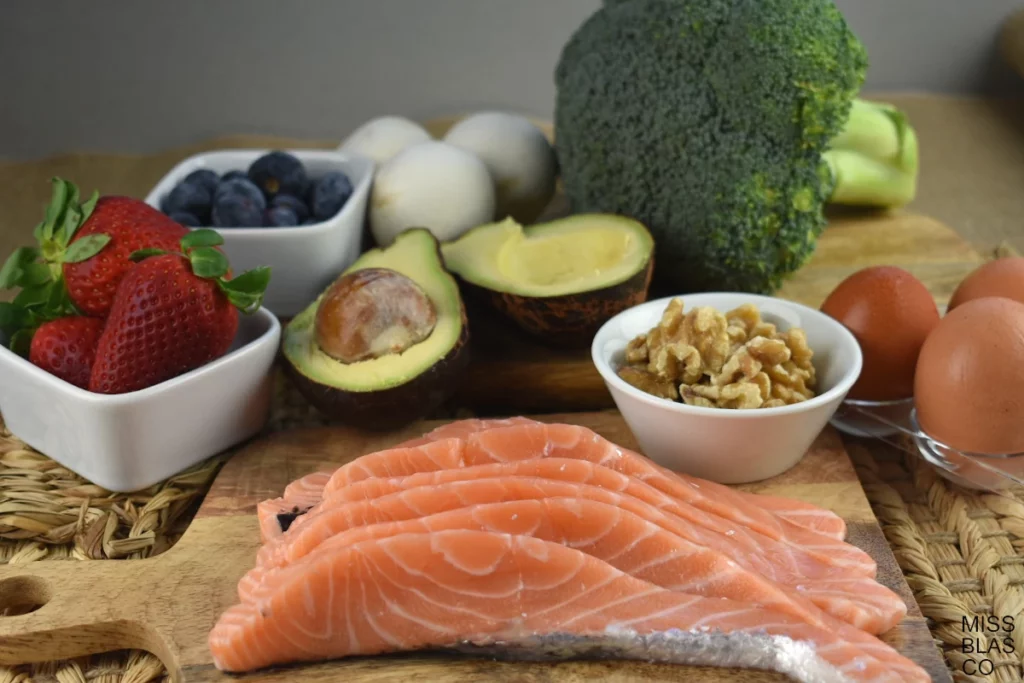
Dietary Sources: Where Should You Get Your Calcium?
We often think of dairy first, but bioavailability (how much your body actually absorbs) varies wildly.
| Food Group | Sources | Tips |
| Cruciferous Veggies | Kale, Broccoli, Cabbage | Highly bioavailable because they are low in oxalates. |
| Dairy | Gruyère Cheese, Yogurt, Milk | High content (880mg/100g in Gruyère), but absorption is about 30-40%. |
| Seeds & Nuts | Sesame seeds, Almonds, Hazelnuts | Great for snacking: sesame seeds are calcium powerhouses. |
| Small Fish | Sardines (with bones) | The bones are where the calcium lives. |
| Legumes | Chickpeas, Lentils | Must be soaked before cooking to neutralize phytates that block absorption. |
The Iron Rivalry: A quick note for my plant-based friends, calcium competes with iron for absorption. If you are eating a high-iron meal (like a steak or a spinach salad with lemon), avoid taking a calcium supplement or a heavy dose of dairy at the same time. Calcium can inhibit iron absorption by 30% to 50%.
Vitamin D: The Key That Unlocks the Door
You can eat all the calcium in the world, but without Vitamin D, it’s like having a key but no door. Vitamin D is essential for maintaining bone mineralization and regulating phosphorus. Beyond bones, it is a hormone precursor that powers your immune system, cardiovascular health, and endocrine function.
While we get Vitamin D from sunlight, we can also find it in:
- Fatty Fish: Salmon, tuna, and mackerel.
- Egg Yolks.
- Beef Liver: A nutrient-dense superfood.
- Fortified Foods: Vegetable milks and yogurts.
A deficiency in Vitamin D leads to rickets in children and osteomalacia (softening of the bones) in adults.
For women over 40, bone health isn’t just about intake; it’s about the biological harmony between hormones, minerals, and the ‘missing link’ of Vitamin K2.
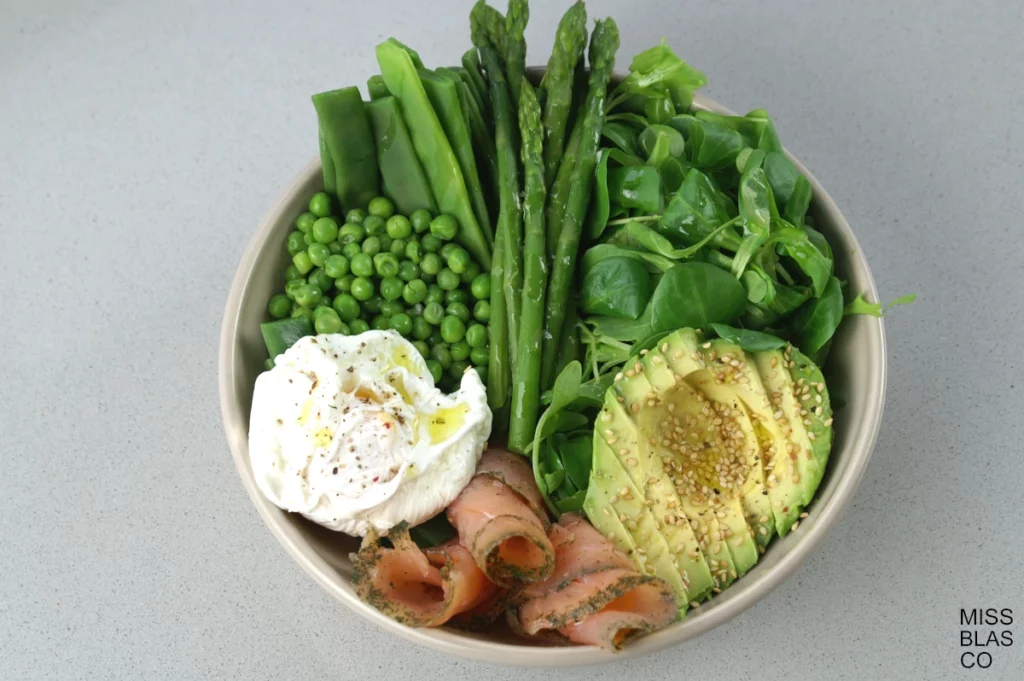
The Missing Piece: Why You Need Vitamin K2
This is where modern nutritional science gets exciting. If Vitamin D is the “key” that lets calcium into your bloodstream, Vitamin K2 is the “GPS” that tells the calcium where to go.
When you take high doses of Vitamin D3, your body absorbs more calcium. But Vitamin D doesn’t control where that calcium ends up. Without enough Vitamin K2, that calcium can settle in the wrong places, like your arteries (causing calcification) or your kidneys (causing stones).
Vitamin K2 activates two critical proteins:
- Osteocalcin: This protein “grabs” the calcium from the blood and locks it into the bone matrix.
- Matrix GLA Protein (MGP): This protein prevents calcium from depositing in soft tissues like blood vessels and kidneys.
Taking Vitamin D3 without K2 is a missed opportunity at best, and potentially problematic at worst. They are a synergistic team. D3 gets the calcium into the “house” (the body), and K2 makes sure it goes into the “room” where it belongs (the bones).
Think of your skeletal system as a bank: Vitamin D handles the deposit, but without Vitamin K2, the transaction never reaches the right account.
Why This Matters Most for Women Over 40
If you are a woman over 40, this isn’t just theory, it’s your health strategy.
As we approach menopause, estrogen levels begin to decline. Estrogen is protective of our bones; it slows down the cells that break bone density down. When estrogen drops, bone loss accelerates. This is why osteoporosis disproportionately affects women.
To protect your future self, you should aim for:
- 1000 mg of Calcium daily through a diverse diet.
- Optimal Vitamin D levels (often requiring supplementation if you live in northern climates).
- Consistent Vitamin K2 intake (found in fermented foods like natto or specialized supplements).
- Weight-bearing exercise: Walking, lifting weights, or yoga. Gravity and resistance tell your bones they need to stay strong.
True health is about the harmony of habits. Nutrition is the pillar, but it works alongside sunlight, hydration, movement, and stress management. When you take care of your calcium levels, you aren’t just preventing a fracture 20 years from now, you are supporting your heart, your muscles, and your immune system today.
Did you know about the Vitamin K2 connection, or have you been focusing mostly on Vitamin D? Let’s chat in the comments!
Related posts:
- Vitamin C at home.
- Plant-based Diet
- How to avoid reflux gastroesophageal.
BLOG, CALCIUM, HEALTH, K2, LOW CARB, NOURISH, NUTRITION, VITAMIN D
SILVIA
Muy interesante. Gracias.
missblasco
Gracias a ti por leerlo. Saludos!